
THE SOCIAL DRIVE
The Bond of Survival
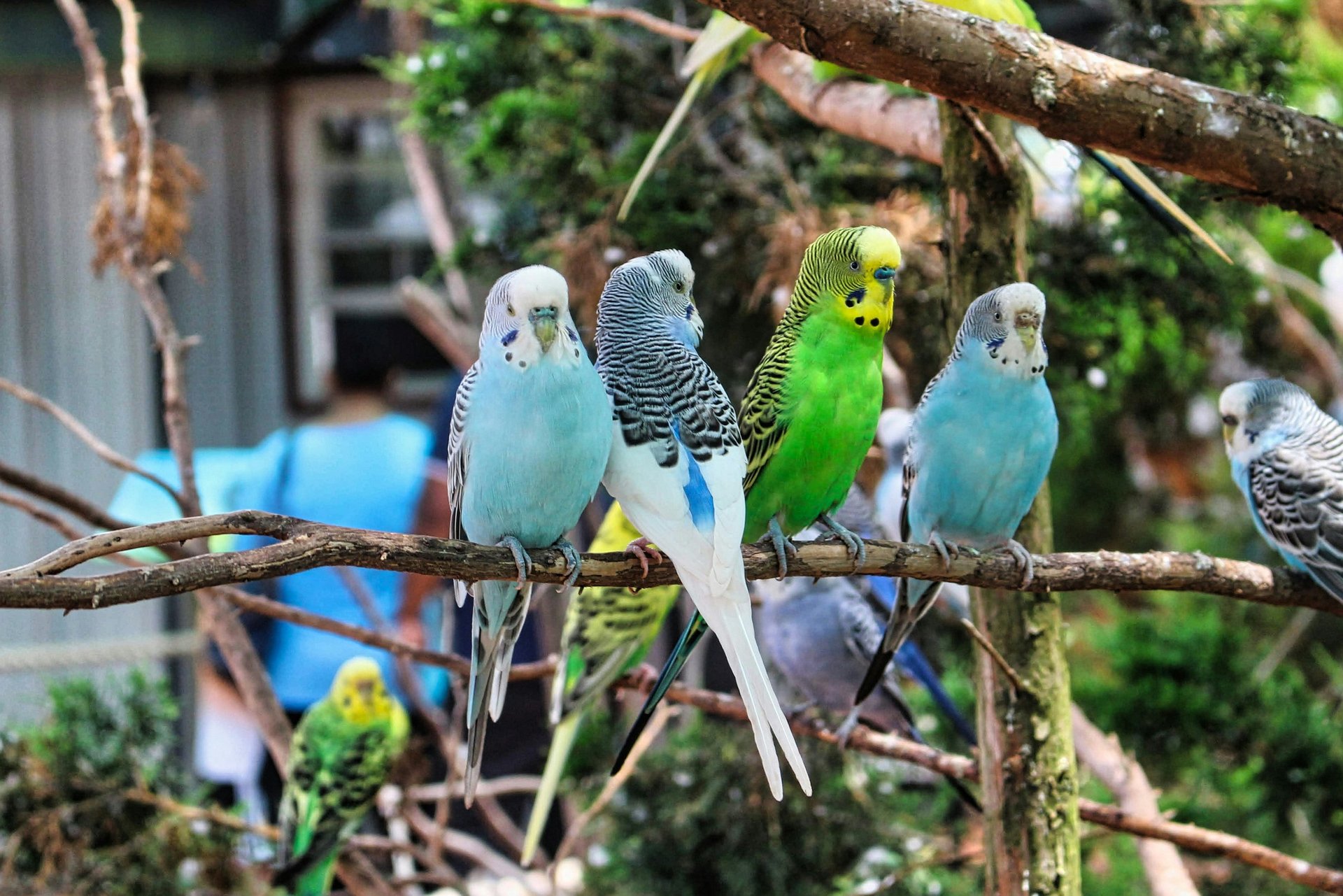
Social needs are not one-size-fits-all; they exist on a biological spectrum. For Social Species like dogs, parrots, and rats, safety is often found in numbers. To their nervous system, being alone may be perceived as a direct environmental threat. In contrast, for Solitary Species like hamsters, many reptiles, and many cats, safety is found in autonomy. To them, forced or constant interaction may be perceived as a threat to their resources or physical safety.
However, biology is not a life sentence. Just because an animal may be born with a solitary blueprint does not mean they cannot learn to value and love connection. It simply means the process of expanding their world is different. We teach you how to respect their nature while gently providing the psychological safety they need to become the most confident version of themselves.
EXPLORE THE TOPICS:
1. THE SOCIAL SPECTRUM (Nature vs. Nurture)
Before you train, you must know: Is your animal hardwired for a team or a solo mission? We explain the difference between Obligate Social animals and Solitary animals. But make no mistake—solitary animals can learn to mix. We teach you the specific, slow-introduction protocol that builds social tolerance, allowing even the most independent "loner" to thrive in a family environment without fear.
2. SEPARATION DISTRESS (Panic vs. Peace)
For social species, isolation triggers the brain's panic center because they have lost their protective unit. We explain why your dog destroys the door when you leave. Conversely, we explain why a solitary animal might actually become more active when the house is quiet, and how to balance their need for peace with your desire for interaction.
3. THE LANGUAGE OF TOUCH (Building Tolerance)
Touch is a double-edged sword. For a social animal, it is instant reassurance. For a solitary animal, being grabbed can feel like a trap. But this can be changed. We teach you the art of "Desensitization"—how to turn touch from a "threat" into a "reward" through patience and positive association, eventually teaching a hands-off animal to seek out your affection.
4. THE CONTACT CALL (Come Here vs. Go Away)
Animals use sound to negotiate space. Social animals use Contact Calls (whining, screaming) to say "Where are you?" Solitary animals use Warning Calls (hissing, clicking) to say "Back off." We teach you to interpret the noise so you can answer the social animal correctly, and respect the solitary animal's warning before they feel the need to bite.
5. PROXIMITY & SLEEP (The Pile vs. The Burrow)
Social animals often want to sleep in a "pile" for shared warmth. Solitary animals usually require a secluded burrow. We explain why letting a social pet sleep near you builds confidence, and how to create a "safe zone" for a solitary pet where they can observe the family without being forced into the center of the chaos.


The Petz Logic System
Download the Free P.L.A.Y. Scorecards & More
Shop Digital Trackers & Premium E-Books & Systems by Petz Logic




© 2026 Petz Logic. All Rights Reserved. Empowering you with knowledge, not prescriptions. This content is for educational use and does not replace your vet. As an affiliate, we may earn a commission from qualifying purchases at no extra cost to you.
Petz Logic™ and the Petz Logic logo are trademarks used by PetzLogic.com.
Contact me & tell me your story


Don’t miss out Join the Pack
We are constantly adding new logic and tools to the hub. Enter your email to be notified when we release new guides or major updates. No spam, just logic.
petzaremylife@petzlogic.com
A Personal Note
I’m building this ecosystem by hand, piece by piece. Since it’s just me behind the blueprints, I’m always open to hearing your concerns and evolving this design with your feedback. As we grow, I’m planning to add a dedicated Q&A section to help tackle the specific logic of our pets' lives.
All I ask is that you bring those words with kindness. Let’s keep this community as respectful as the animals we love.
Thank you so much 😊
Mo