THE SOCIAL SPECTRUM:
Team Player or Solo Mission?
Every animal enters our lives with a unique social fingerprint. Some arrive ready to be your shadow, while others may prefer to observe you from a safe, quiet distance. Through the lens of the Petz Logic framework, we don't see these differences as "difficult" behaviors—we see them as brilliant survival strategies. Whether your pet is a natural-born Team Player or a specialized Solo Mission expert, they are simply following a million-year-old biological map.
To Stop Guessing why your pet reacts the way they do to your presence, you may first identify where they sit on the Social Spectrum. This isn't just about personality; it is about how their brain perceives safety. When you understand their starting point, you can move from "managing" their behavior to truly expanding their world.
The Obligate Socials: The Power of the Pack
For Obligate Social animals, life is a team sport. In their world, being alone may be perceived as the ultimate risk, while being together is the ultimate security.
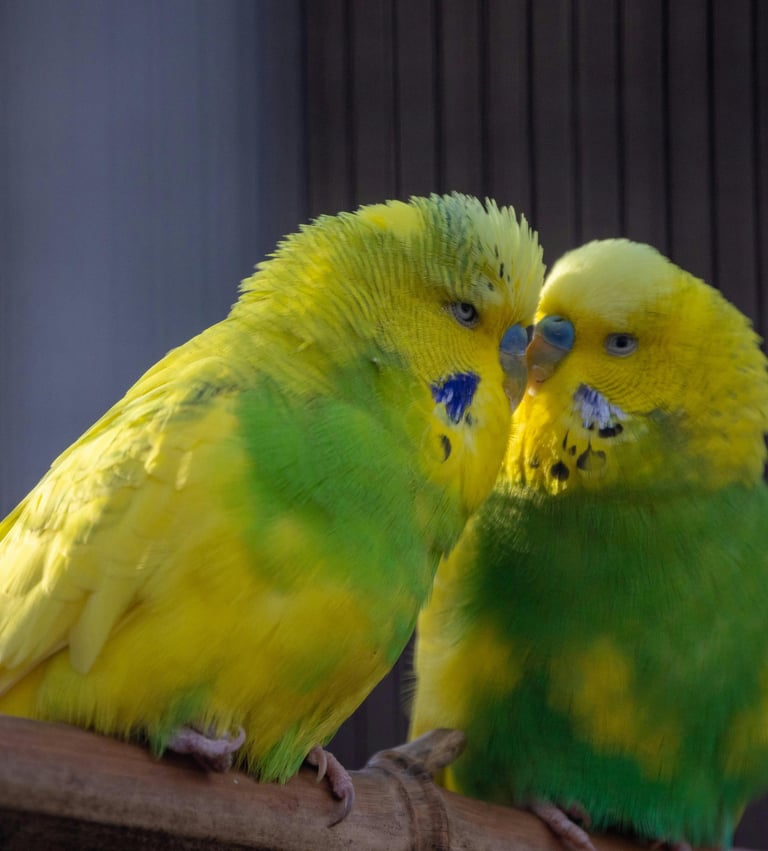
The Team Players: Dogs, parrots, rats, and guinea pigs fall into this category. To their nervous system, the group is a life-support system.
The Sentry Logic: When these animals are with their "pack" or "flock," they may share the mental workload of watching for danger. When they are alone, their brain may stay locked in High-Alert Sentry Mode because they feel they are the only ones left to watch the perimeter.
The Goal: For these species, we focus on proving that you are a reliable, consistent member of their team, which may allow them to finally drop their guard and go "off-duty."
The Solitary Specialists: The Art of Autonomy
On the other side of the spectrum, we have the Solitary Specialists. For these animals, survival was traditionally a solo flight, and their strength lies in their independence.
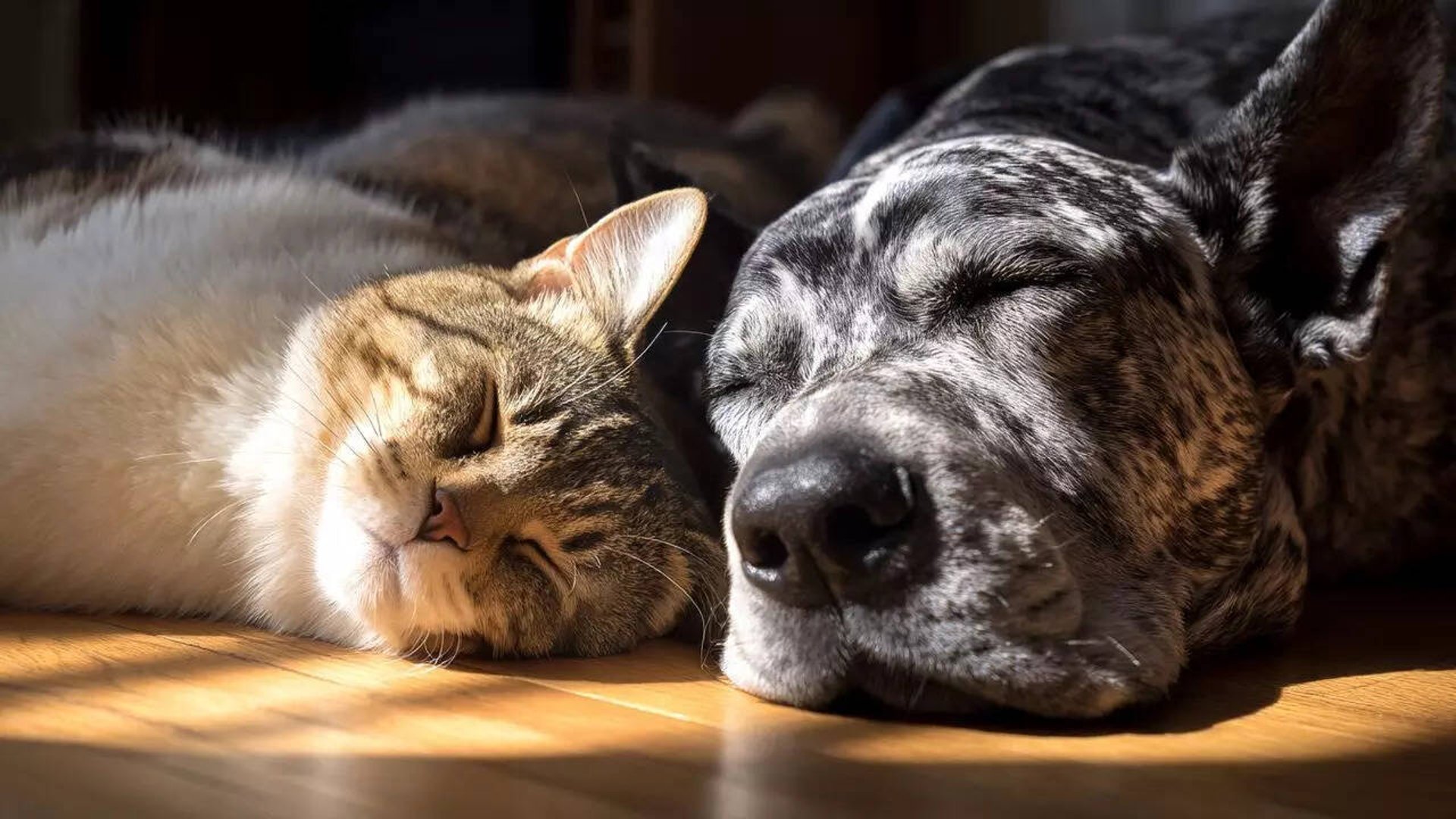
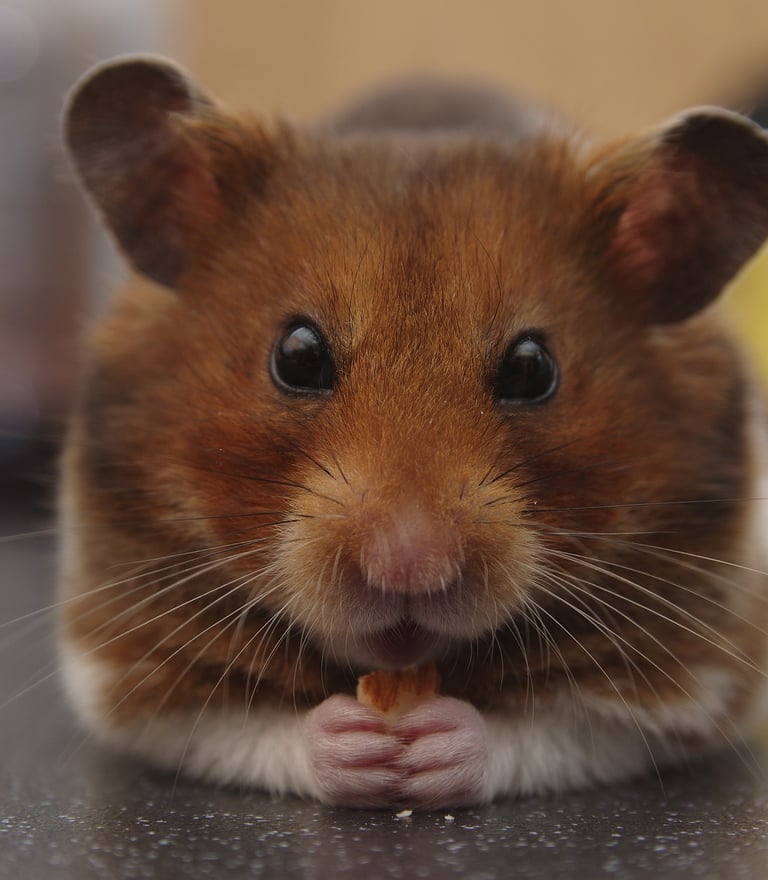
The Independent Operators: Hamsters, many reptiles, amphibians, and many cats fit this profile. To their brain, the presence of another living being may initially be perceived as a challenge to their resources or their personal space.
The Control Factor: Their neurological reset point is found in Autonomy. They don't necessarily want a team; they want to know they are in total control of their immediate surroundings.
The Goal: For these species, we don't force "friendship." Instead, we build Social Tolerance, proving that your presence is a predictable, rewarding, and non-threatening addition to their territory.
Biology is Not a Life Sentence: The Protocol of Choice
A common misconception is that a solitary animal is destined to be a "loner" forever. But make no mistake—solitary animals can learn to mix, engage, and even enjoy a deep connection with their human family. The path to a bond simply looks different depending on their baseline.
We use the Slow-Introduction Protocol to bridge the gap between instinct and family life:
The Protected Perimeter: For the solitary pet, we start by guaranteeing their "No Trespassing" zone. When they know they have a place where they are 100% in control, their curiosity may naturally begin to outweigh their defensive drive.
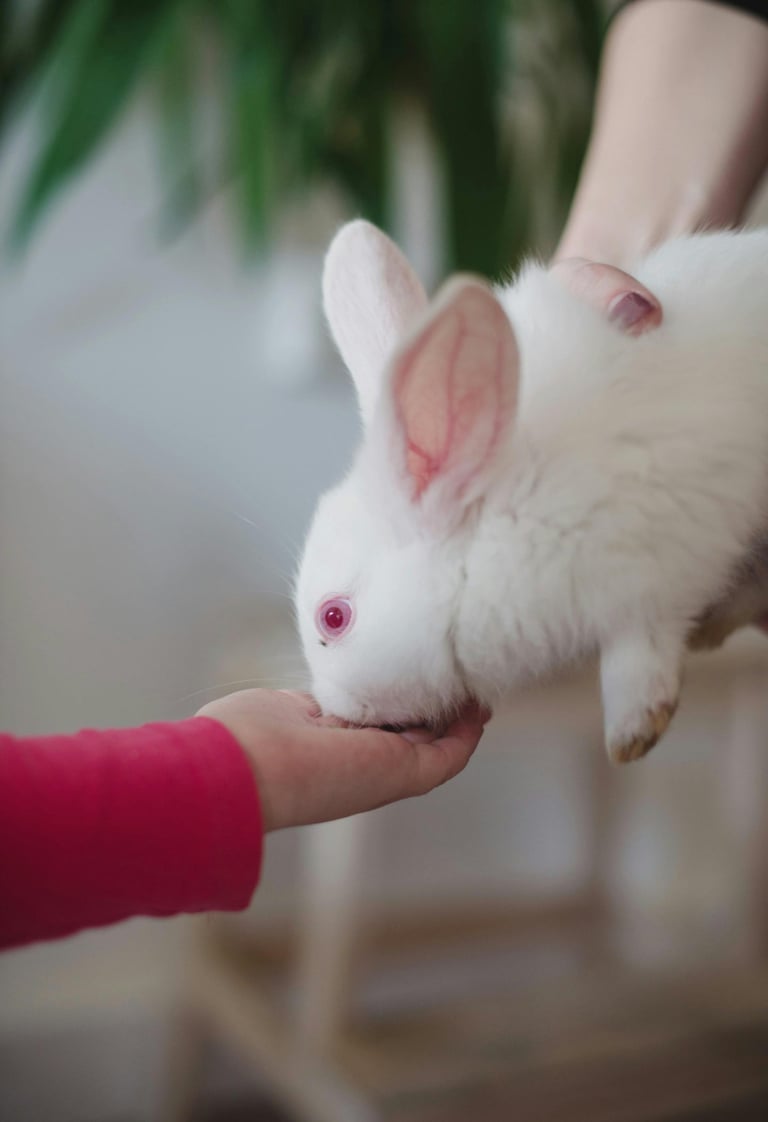
The Resource Association: We shift the animal's perception from "intruder" to "trusted provider." By offering high-value resources—like favorite treats or preferred substrates—on their terms, we allow them to associate your presence with positive outcomes.
The Agency Clause: We never force an interaction. By giving the animal the Choice to approach or retreat, we build a foundation of trust that a "forced" cuddle could never achieve.
The Human Element: The Social Translator
When you understand the Social Spectrum, you may stop taking an animal's distance personally and start celebrating their unique way of being. As the Lead, your job is to be the Social Translator—respecting their hardwired nature while providing the psychological safety they need to expand their boundaries.
Stop Guessing, Start Knowing. Whether your pet was born for a team or a solo mission, they have the capacity to thrive in your family environment. Respect the blueprint, manage the environment, and watch your bond transform.
The Petz Logic System
Download the Free P.L.A.Y. Scorecards & More Shop Digital Trackers & Premium E-Books & Systems by Petz Logic
© 2026 Petz Logic. All Rights Reserved. Empowering you with knowledge, not prescriptions. This content is for educational use and does not replace your vet. As an affiliate, we may earn a commission from qualifying purchases at no extra cost to you.
Petz Logic™ and the Petz Logic logo are trademarks used by PetzLogic.com.
Contact me & tell me your story


Don’t miss out Join the Pack
We are constantly adding new logic and tools to the hub. Enter your email to be notified when we release new guides or major updates. No spam, just logic.
petzaremylife@petzlogic.com
A Personal Note
I’m building this ecosystem by hand, piece by piece. Since it’s just me behind the blueprints, I’m always open to hearing your concerns and evolving this design with your feedback. As we grow, I’m planning to add a dedicated Q&A section to help tackle the specific logic of our pets' lives.
All I ask is that you bring those words with kindness. Let’s keep this community as respectful as the animals we love.
Thank you so much 😊
Mo