
THE LANGUAGE OF TOUCH:
Building Tolerance
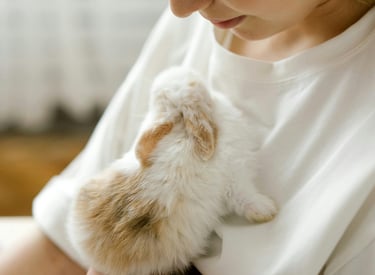
In the animal kingdom, touch is one of the most powerful forms of communication, but its meaning depends entirely on who is receiving it. For a social animal, a hand on the shoulder can be instant reassurance—a signal that the pack is close and the world is safe. For a solitary specialist, however, being suddenly grabbed can feel like a trap, triggering a million-year-old survival instinct to flee or defend.
Through the lens of our framework, we recognize that touch is a Tactile Language. To Stop Guessing why your pet shrinks away or huffs when you reach for them, you have to understand their baseline. But here is the secret: biology is simply the starting point, not the final limit. With the right approach, you can turn touch from a threat into a reward, teaching even the most hands-off animal to eventually seek out your affection.
The Social Reassurance vs. The Autonomy Trap
Every species has a different "Touch Budget." Understanding where your pet starts allows you to build a bridge toward a deeper bond.
The Reassurance Seekers (Socials): Dogs, rats, and parrots often use physical contact as a way to "check-in" with the team. To them, touch is a form of social grooming that lowers cortisol and reinforces the bond. However, even social animals can become touch-sensitive if they feel their personal space is being ignored.
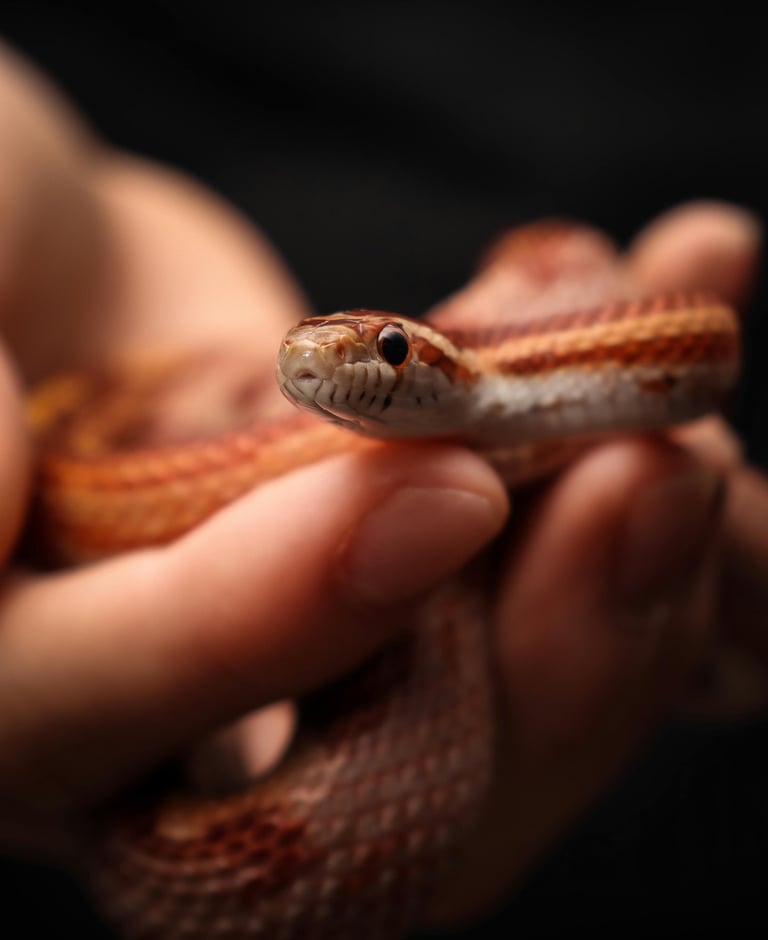
The Autonomy Experts: For reptiles, hamsters, and some cats, being picked up or restrained can be a high-stress event. In their world, anything that "grabs" them is usually a predator. While most domestic cats are socially flexible and enjoy affection, they still retain the biological need for Consent. If you ignore the "tail twitch" or the "ear flatten," you are accidentally speaking the language of a threat.
The Strategy: The Art of Desensitization
We don't force affection; we build Positive Association. In the Petz Logic system, we use a specific protocol to transform the way your pet perceives your hands.
The Consent Check: Before you touch, offer a bridge. This could be presenting the back of your hand or a finger a few inches away. If the animal moves toward you, they are giving the green light. If they stay still or move away, you respect that boundary. This builds a foundation of trust because the animal realizes they have Agency.
Low-Stakes Contact: Start by touching neutral areas—usually the side of the neck, the chest, or the chin—rather than reaching over the head, which can be seen as a threatening gesture from above. Keep the contact brief and follow it immediately with a high-value resource, like a favorite treat.
The Graduation to Handling: For more independent species, handling should be a slow ladder. We move from a one-finger touch to a two-handed lift over several sessions. By never pushing past the animal's threshold, you prove that your hands are a source of security and rewards, not a trap.
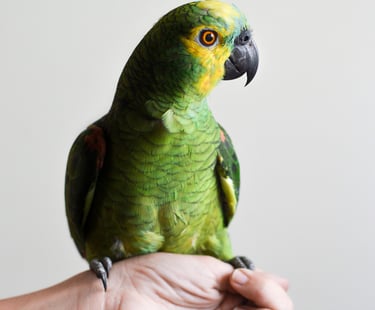
The Human Element: The Neutral Lead
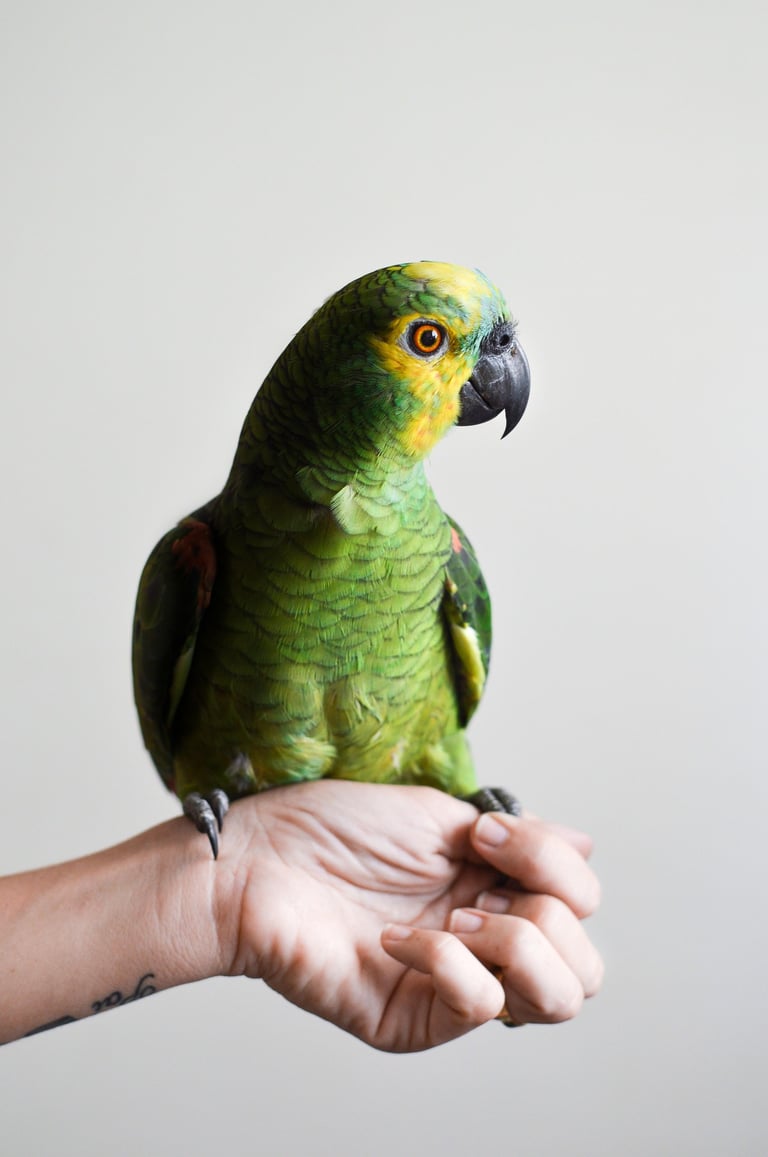
Your energy during touch is just as important as the touch itself. If you are tense, hurried, or overly emotional, the animal will feel that "static" through your skin.
The Calm Hand: When you reach for your pet, do it with a calm, almost indifferent energy. You aren't "demanding" affection; you are offering it as a neutral, rewarding part of the environment.
Respecting the "No": The fastest way to get an animal to love touch is to show them that you will stop when they ask. By respecting their "No," you give them the confidence to eventually say "Yes."
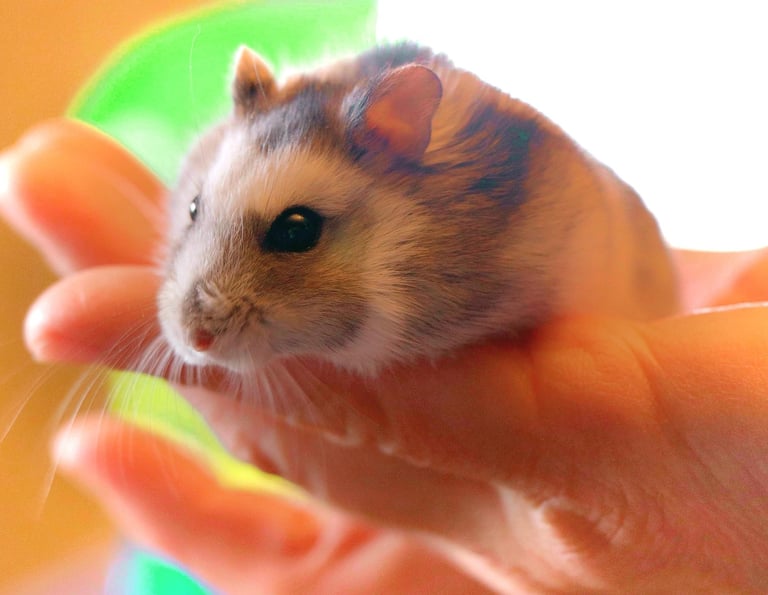
Expanding the World: From Tolerance to Affection
When you use the Language of Touch correctly, you are doing more than just petting an animal—you are rewiring their nervous system. You are teaching a specialized loner or a sensitive domestic pet that human contact is a safe, predictable, and high-value experience.
Whether they were born to cuddle or born to be independent, every animal can learn to value the bond of touch. Respect the blueprint, lead with patience, and watch as your hands-off pet begins to seek out your hand.
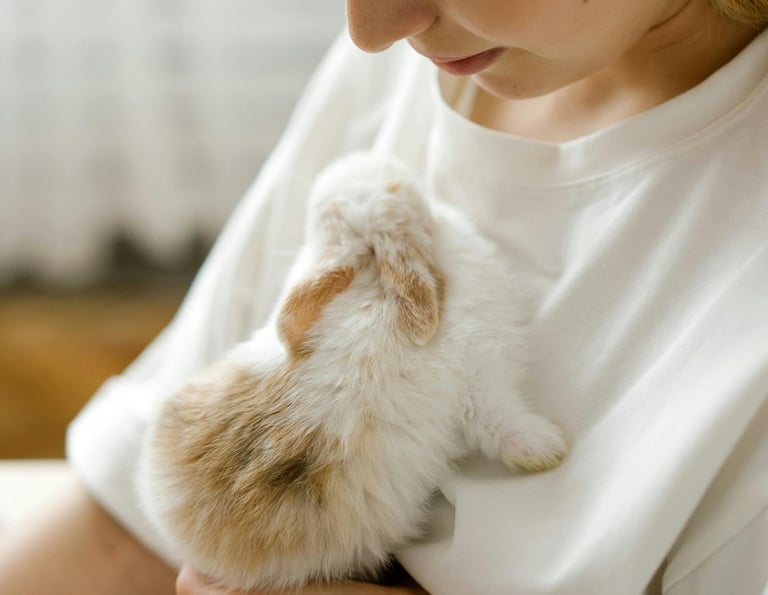
The Petz Logic System
Download the Free P.L.A.Y. Scorecards & More Shop Digital Trackers & Premium E-Books & Systems by Petz Logic.
© 2026 Petz Logic. All Rights Reserved. Empowering you with knowledge, not prescriptions. This content is for educational use and does not replace your vet. As an affiliate, we may earn a commission from qualifying purchases at no extra cost to you.
Petz Logic™ and the Petz Logic logo are trademarks used by PetzLogic.com.
Contact me & tell me your story


Don’t miss out Join the Pack
We are constantly adding new logic and tools to the hub. Enter your email to be notified when we release new guides or major updates. No spam, just logic.
petzaremylife@petzlogic.com
A Personal Note
I’m building this ecosystem by hand, piece by piece. Since it’s just me behind the blueprints, I’m always open to hearing your concerns and evolving this design with your feedback. As we grow, I’m planning to add a dedicated Q&A section to help tackle the specific logic of our pets' lives.
All I ask is that you bring those words with kindness. Let’s keep this community as respectful as the animals we love.
Thank you so much 😊
Mo