

SEPARATION DISTRESS:
Panic vs. Peace
When the front door clicks shut, every animal in your home enters a different psychological state. For some, that sound is the starting gun for a frantic search for their missing team. For others, it is the blissful signal that their territory is finally quiet and private. Through our framework, we recognize that separation isn't just about missing you—it is about how the animal's brain reacts to the sudden shift in their social environment.
To Stop Guessing why your dog targets the door frame or why your hamster only comes out when you go to bed, you have to understand the difference between Panic and Peace. Instead of trying to change your life schedule to fit theirs, we use environmental tools to bridge the gap, transforming a stressful exit into a predictable, calm transition.
Social Species: The Loss of the Protective Unit
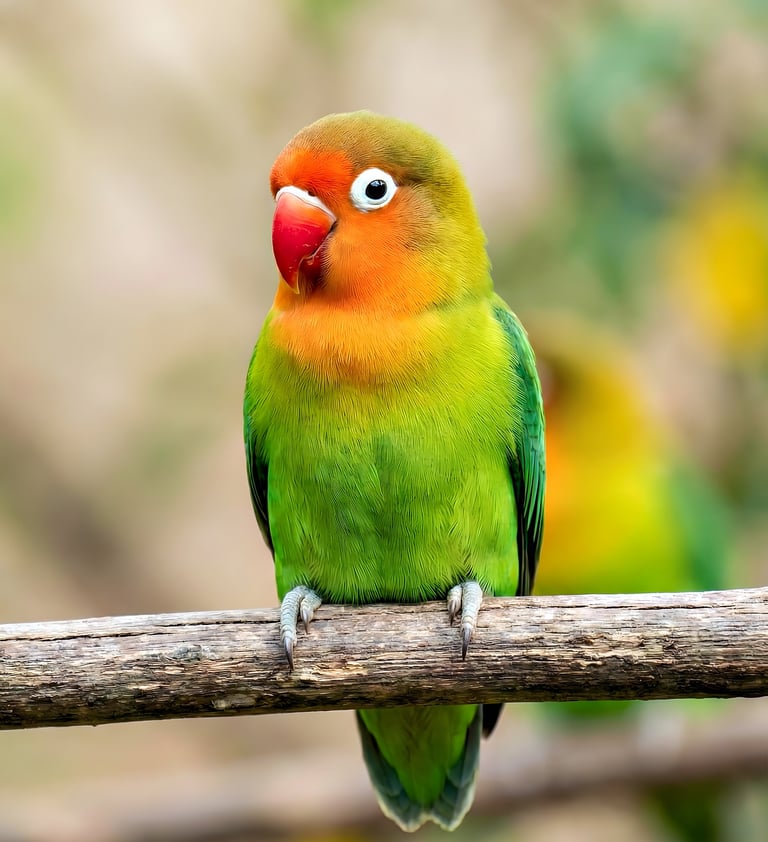
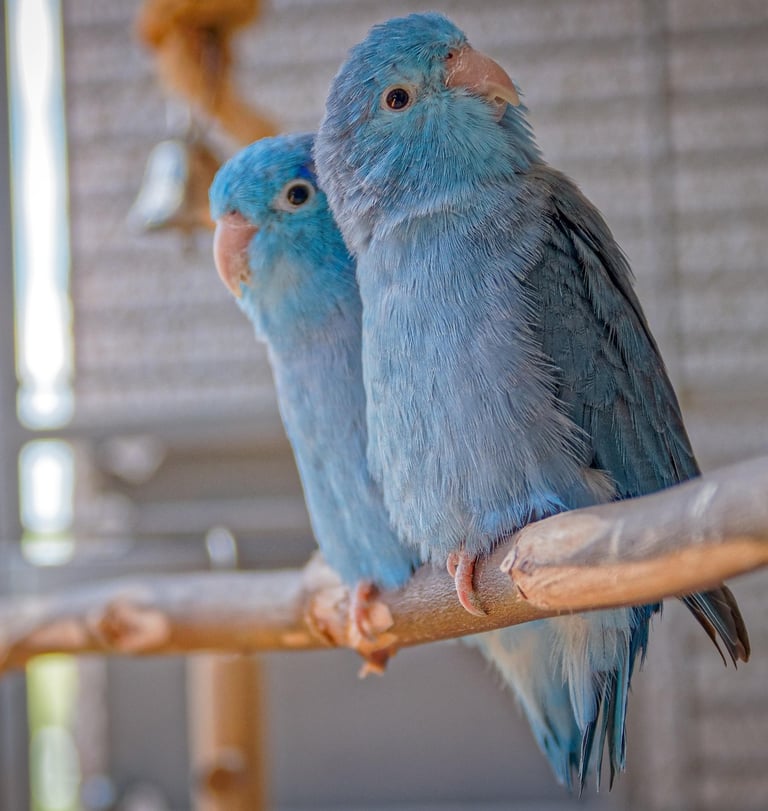
For Obligate Social species like dogs, parrots, and your new baby rats, safety is a collective effort. When you leave the house, their internal logic tells them that their Protective Unit has been fractured.
The Sentry Crisis: In the wild, a lone social animal is a vulnerable animal. When you leave, your pet's brain can trigger a panic circuit because they are now the only ones left to watch for danger. That scratched door or shredded carpet isn't revenge—it is a frantic attempt to reunite the team and restore their sense of security.
The High-Alert Loop: Without the presence of their Lead or their pack, their nervous system can get stuck in a loop of high-alert vigilance. They aren't just sad; they are physiologically incapable of relaxing because the perimeter feels unguarded.
Solitary Species: The Freedom of the Quiet
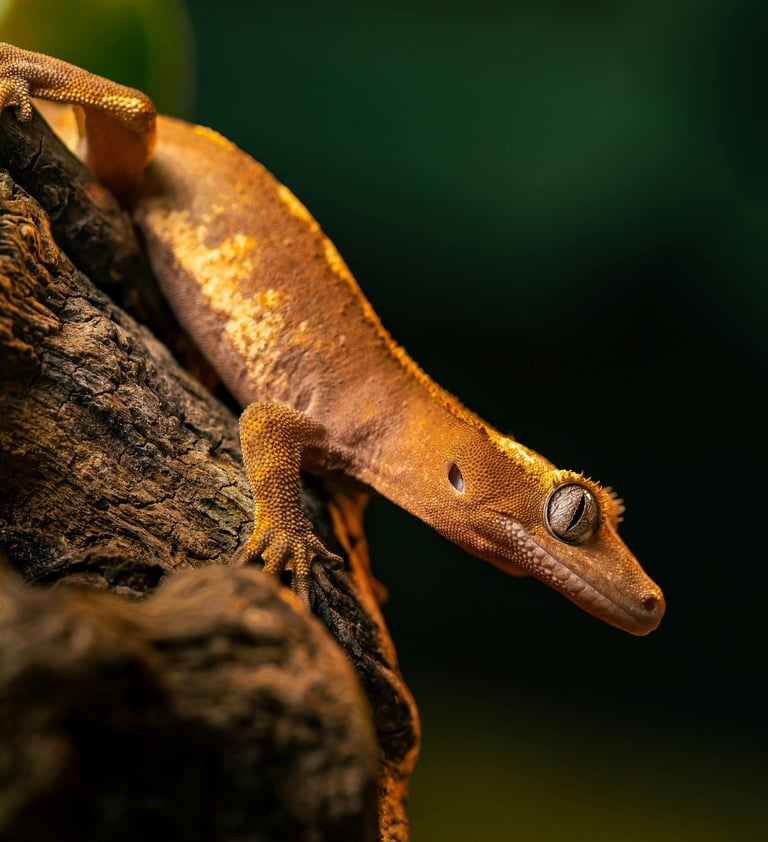
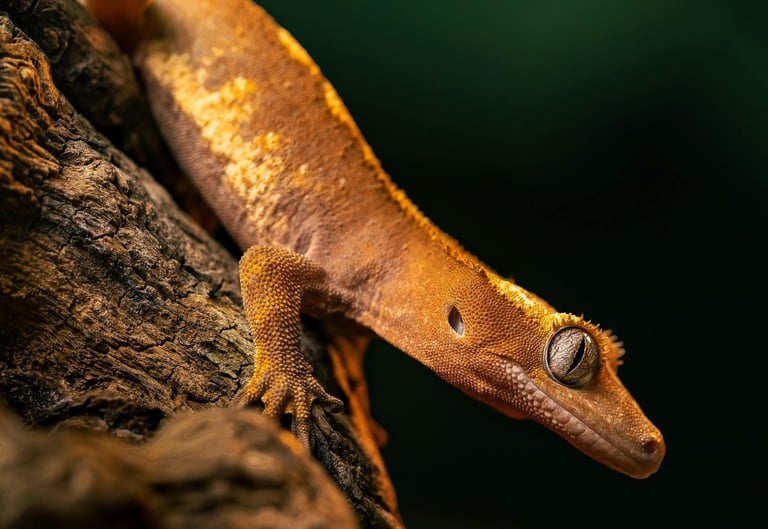
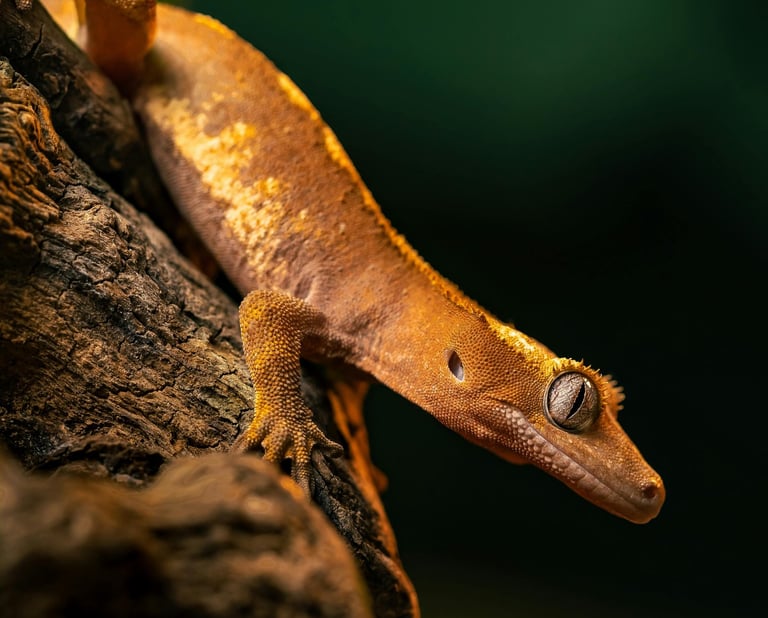
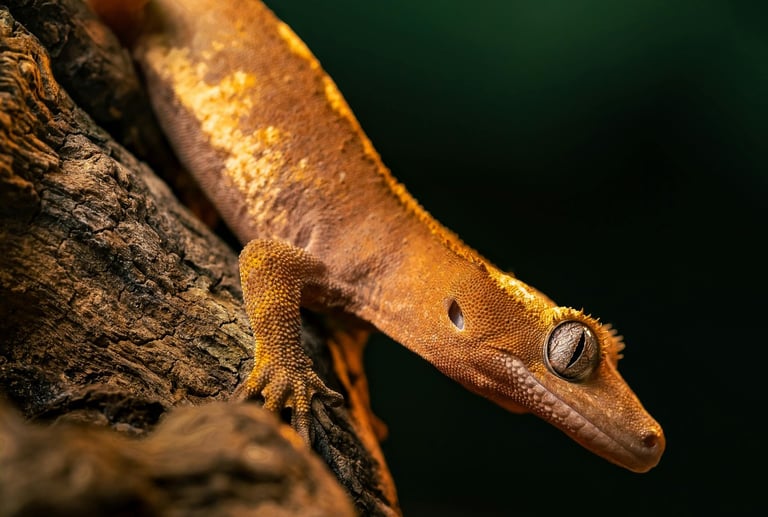
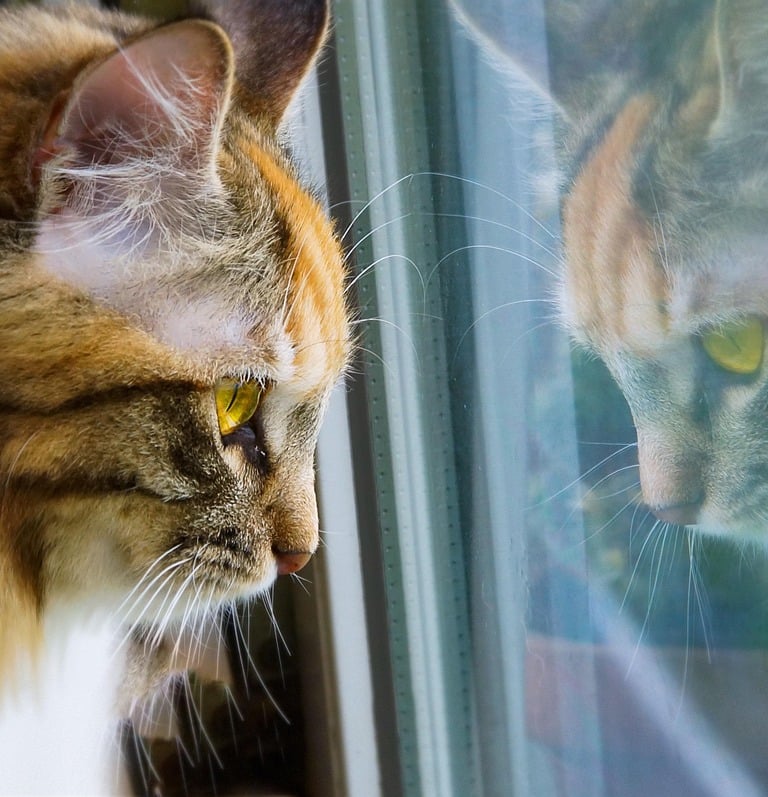
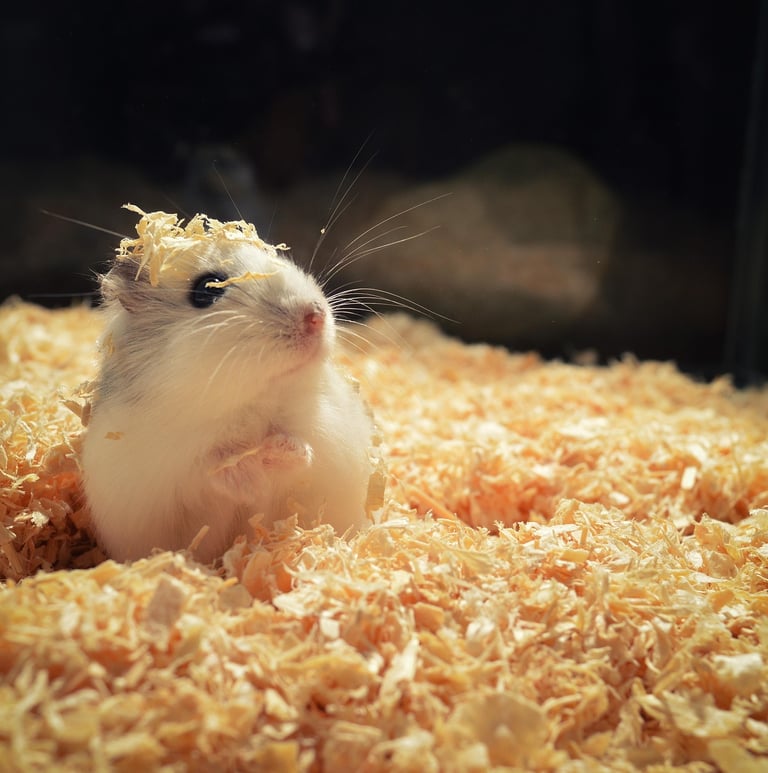
On the flip side, many Solitary Specialists like reptiles, hamsters, and many cats find their peak energy when the house falls silent.
The Privacy Party: To a solitary animal, a bustling house can be a source of constant sensory data that they have to manage. When you leave, the social pressure vanishes. This is why your cat might suddenly get the zoomies or your hamster starts their most intense engineering projects the moment the humans are gone.
The Recovery Window: For these pets, your absence is their primary time for Parasympathetic Recovery. They use the quiet to eat, groom, and explore their territory without the need to monitor the movements of a larger social being.
The Strategy: The Departure Bridge
Since we can't always be there, we use the Departure Bridge to manage the social budget. This isn't just about what you leave behind; it is about the energy you project as you walk out the door.
The Lead’s Energy: The Neutral Exit
In the Petz Logic system, the most powerful tool you have is your own behavior. When you make a big fuss—prolonged goodbyes, high-pitched "I’ll miss you" talk, or intense eye contact—you are accidentally signaling to the animal that this transition is a high-stakes event. Their brain thinks, "If the Lead is this worked up, something must be wrong."
The Goal: Project a calm, almost indifferent energy. You are the "Lead" who is simply moving to a different part of the territory. By not paying them intense attention as you leave, you signal that your departure is a non-event. It is predictable, safe, and routine.

1. For the Socials (The Distraction Job)
Since their brain can enter "High-Alert" when the protective unit is fractured, we give them a specific job to do that aligns with their biology.
The Action: Provide a high-value distraction project—like a frozen food toy or a complex foraging puzzle—about 5–10 minutes before you actually walk out.
The Shift: This shifts their focus from the door to a rewarding task. By the time they finish the "job," you are already gone, and their nervous system has had time to settle into the quiet without the "spike" of watching you leave.
The Human Behavior: Do not say goodbye. Do not look back. Simply set the project down and go about your business. When you finally walk out the door, it should be the most boring part of their morning.
2. For the Solitaries (The Safe Hand-Off)
For our independent specialists, "over-loving" them before you go can actually be a form of social pressure they have to manage.
The Action: We avoid "crowding" them. Instead of a big fuss, simply ensure their environment is set up for their Privacy Party. Check their water, ensure their hides are accessible, and then exit.
The Shift: This allows them to transition into their recovery window without a spike in defensive vigilance.
The Human Behavior: Treat them with a calm, neutral respect. You are checking the perimeter and then giving them the floor. By keeping your energy low and your attention diffused, you give them the "Biological Green Light" to start their own day.
The Human Element: Effective Management
When you understand Separation Distress, you can stop feeling guilty about having a schedule. You aren't abandoning them; you are simply managing the social budget. By acting as a Neutral Lead—providing the socials with a job and the solitaries with the quiet they crave—you ensure the home remains a place of logic and peace.
Whether they are pining for the pack or partying in the quiet, your pet’s behavior is often a reflection of the energy you project. Use the tools, lead with calm, and watch your home become a place of true peace.
The Petz Logic System
Download the Free P.L.A.Y. Scorecards & More Shop Digital Trackers & Premium E-Books & Systems by Petz Logic


The Tech-Logic: Monitoring the Quiet
To truly bridge the gap between panic and peace, we use technology to gather data. This allows the Lead to see the exact moment a behavior starts, which is the key to providing the right solution.
The Interactive Sentry (For Socials):
For dogs and highly social birds, a camera with a treat dispenser can act as a remote Lead. It allows you to check in and provide a reward for calm behavior, effectively rejoining the team from a distance.
Gear & Affiliates: Look for the Furbo 360° Dog Camera or the Petcube Bites 2 Lite.
The Silent Observer (For Solitaries & Small Animals): For rats, reptiles, and cats, a simple high-definition camera allows you to watch their Privacy Party without interrupting it. This is how you discover their favorite substrates or which No Trespassing zone they prefer.
Gear & Affiliates: Look for the Wyze Cam v3 or Blink Mini. These are perfect for placing inside a reptile cabinet or near a rat cage to monitor social dynamics.
Environmental Anchors:
Sometimes the brain needs a sensory cue that the home is still safe.
Gear & Affiliates: Consider a White Noise Machine or Calming Pheromone Diffusers (like Adaptil for dogs or Feliway for cats) to help lower the ambient stress of the environment.



© 2026 Petz Logic. All Rights Reserved. Empowering you with knowledge, not prescriptions. This content is for educational use and does not replace your vet. As an affiliate, we may earn a commission from qualifying purchases at no extra cost to you.
Petz Logic™ and the Petz Logic logo are trademarks used by PetzLogic.com.
Contact me & tell me your story


Don’t miss out Join the Pack
We are constantly adding new logic and tools to the hub. Enter your email to be notified when we release new guides or major updates. No spam, just logic.
petzaremylife@petzlogic.com

A Personal Note
I’m building this ecosystem by hand, piece by piece. Since it’s just me behind the blueprints, I’m always open to hearing your concerns and evolving this design with your feedback. As we grow, I’m planning to add a dedicated Q&A section to help tackle the specific logic of our pets' lives.
All I ask is that you bring those words with kindness. Let’s keep this community as respectful as the animals we love.
Thank you so much 😊
Mo