THE FORAGING DRIVE
The Seeker System
In the wild, an animal does not wait for a bell to ring for dinner. They spend up to 80% of their awake time Seeking. Whether it is a parrot stripping bark to find a bug, a dog tracking a scent, or a reptile flicking its tongue to taste the air, the Seeker System is the default operating mode of the animal brain. When we put high-calorie food in a bowl for free, we delete their primary job. This leaves a "Time Vacuum" that is often filled with anxiety, pacing, or destruction. We don't need to starve them; we need to let them work.
EXPLORE THE TOPICS:
1. CONTRAFREELOADING (The Science of Working for Food)
It sounds counter-intuitive, but science proves that if given the choice between "free food" and "food they have to solve a puzzle to get," most animals choose the puzzle. This is called Contrafreeloading. We explain the biology behind why earning a meal releases more dopamine than just eating one, and how to introduce this concept without frustration.
2. THE NOSE & SENSORY WORK (Tiring the Brain)
The part of the brain responsible for processing scent and texture is massive. Using it burns more energy than physical exercise. 15 minutes of intense "Nose Work" or foraging is equivalent to an hour of running. We discuss how to activate the olfactory (smell) and tactile (touch) systems to exhaust a high-energy animal mentally.
3. THE FRUSTRATION THRESHOLD (Don't Make It Too Hard)
The number one reason an animal disengages from a task is not a lack of interest, but an excess of difficulty. If a challenge exceeds the animal's current skill level, they enter a behavioral state called "Extinction"—where the effort yields no reward, so they stop trying. We teach you the Logic of Difficulty: how to calibrate the task to ensure an "easy win" first, building the confidence and dopamine history required to attempt complex problem-solving later.
4. DITCH THE BOWL (Eliminating the Vacuum)
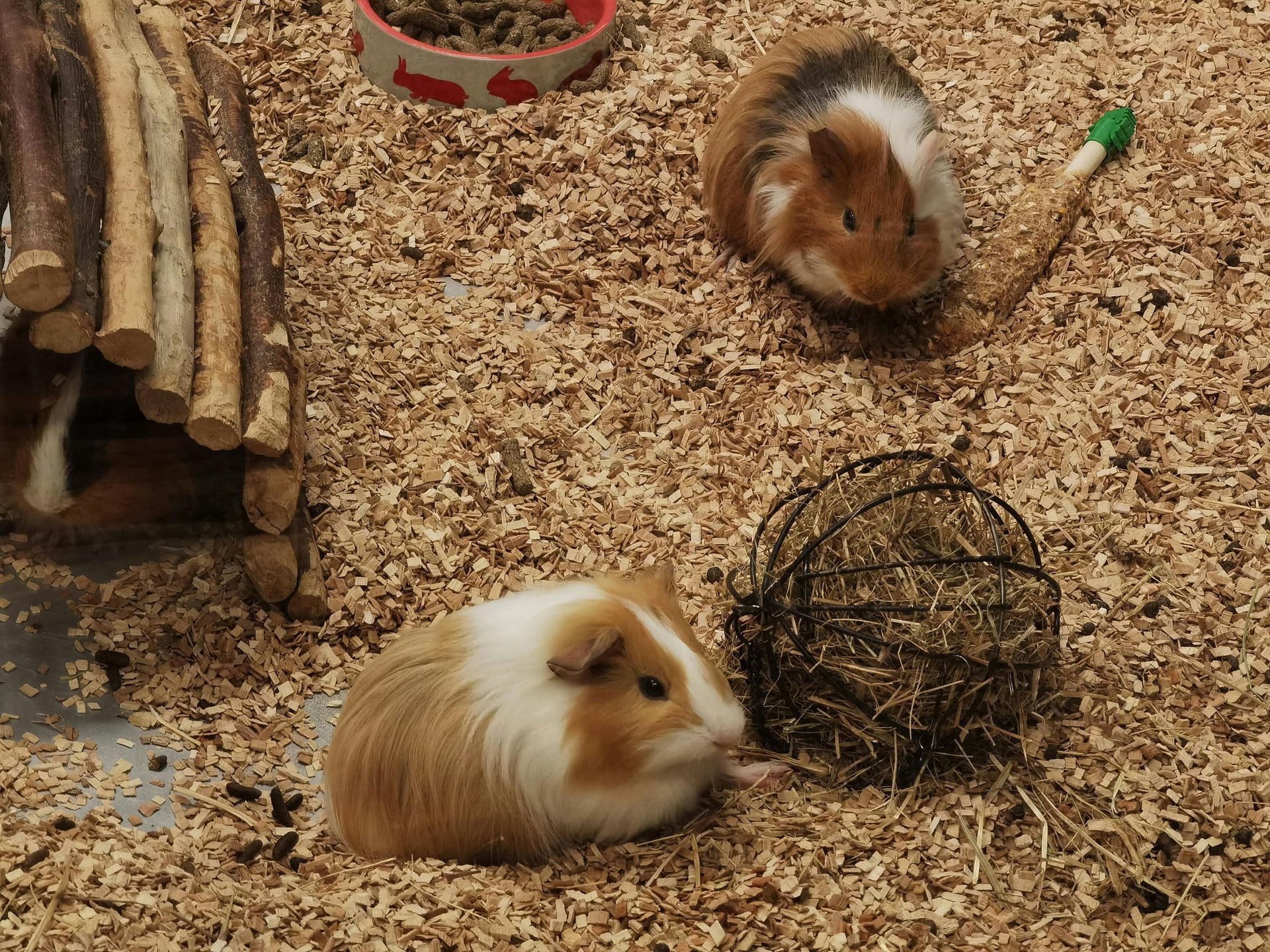
The food bowl is a modern invention that contributes to obesity and boredom. We explore the biological alternatives that mimic natural feeding behaviors. We show you how to turn "Meal Time" into "Activity Time," extending the duration of eating from seconds to minutes to satisfy the biological need to forage.
5. SCAVENGING VS. HUNTING (Knowing the Difference)
Not all seeking is hunting. "Hunting" is high-arousal (adrenaline/chase), while "Foraging" is low-arousal (calm/focus). If you have an anxious or reactive animal, high-intensity play might make them worse, while slow foraging will calm them down. We explain why the Seeker System is the neurological "off switch" for anxiety.
© 2026 Petz Logic. All Rights Reserved. Empowering you with knowledge, not prescriptions. This content is for educational use and does not replace your vet. As an affiliate, we may earn a commission from qualifying purchases at no extra cost to you.
Petz Logic™ and the Petz Logic logo are trademarks used by PetzLogic.com.
Contact me & tell me your story


Don’t miss out Join the Pack
We are constantly adding new logic and tools to the hub. Enter your email to be notified when we release new guides or major updates. No spam, just logic.
petzaremylife@petzlogic.com
A Personal Note
I’m building this ecosystem by hand, piece by piece. Since it’s just me behind the blueprints, I’m always open to hearing your concerns and evolving this design with your feedback. As we grow, I’m planning to add a dedicated Q&A section to help tackle the specific logic of our pets' lives.
All I ask is that you bring those words with kindness. Let’s keep this community as respectful as the animals we love.
Thank you so much 😊
Mo