
Scavenging vs. Hunting: The High-Speed Choice for a Calm Pet
We’ve all seen it: the dog that gets more frantic after a game of fetch, or the cat that remains "wired" and prone to biting long after the feather wand has been put away.
In the pet world, we often use the word "exercise" to cover everything from a walk in the park to a high-speed chase. But from a biological perspective, there is a massive difference between Hunting and Scavenging. Understanding this difference is the secret to managing anxiety and reactivity in almost every species we live with.
The Neurobiology of the "Seeker System"
Every animal—from the tiny hamster to the Great Dane—has a "Seeker System" in their brain. This is the biological "off switch" for anxiety. When an animal is in a seeking state (sniffing, searching, investigating), the brain cannot simultaneously be in a state of fear or panic.
However, the intensity of the search changes the chemical output:
Hunting (High Arousal): This is the "Adrenaline State." It’s fast, eyes-on, and focused on the chase. It releases adrenaline and cortisol. While fun, too much of this can keep a reactive or anxious pet in a state of "hyper-alertness."
Scavenging/Foraging (Low Arousal): This is the "Dopamine State." It’s slow, nose-down (or beak-down), and focused on the find. It releases dopamine, which provides a sense of calm, focused satisfaction.
The Petz Logic Rule: If you have an anxious or reactive animal, high-intensity hunting play might make them worse. Slow foraging is what actually calms them down.


How it Manifests Across the Species
Dogs & Cats: The Scent-Logic Reset
For our carnivores, "Hunting" is easy to trigger (ball throwing, laser pointers, feather toys). But for an anxious dog who barks at every noise, or a cat that hides under the bed, we need to lean into Scavenging.
The Struggle: You play fetch with your anxious dog to "tire them out," but they come inside panting, pacing, and unable to settle.
The Logic: Fetch is a hunt. It’s high-arousal. To calm them, you need to engage the nose.
Scavenging Example: The "Scent Trail." Instead of throwing the ball, hide a high-value treat in a cardboard box, under a rug, or behind a door. Let the pet find it.
The Progression: Once they find one, hide three. The slow, methodical sniffing actually lowers their heart rate and switches the brain from "Alert Mode" to "Search Mode."
Birds (Avian): From Screaming to Searching
Birds are often high-arousal by nature. A bird that is constantly "on alert" may scream for attention or over-preen.
The Struggle: The bird is flapping and calling out, and you try to distract them with a fast-moving toy or high-energy interaction.
The Logic: High-energy interaction keeps the bird in a "reactive" state.
Scavenging Example: The "Paper Forest." Hang long strips of plain packing paper or tissue paper throughout the cage. Tuck small seeds inside the folds of the paper rather than placing them in a bowl.
The Progression: The bird has to slowly move through the "forest," pushing paper aside and focusing their eyes and beak on the search. This quiet, focused work is the ultimate "reset" for a loud bird.
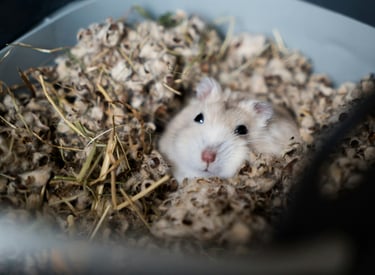
Small Mammals: The Excavation Logic
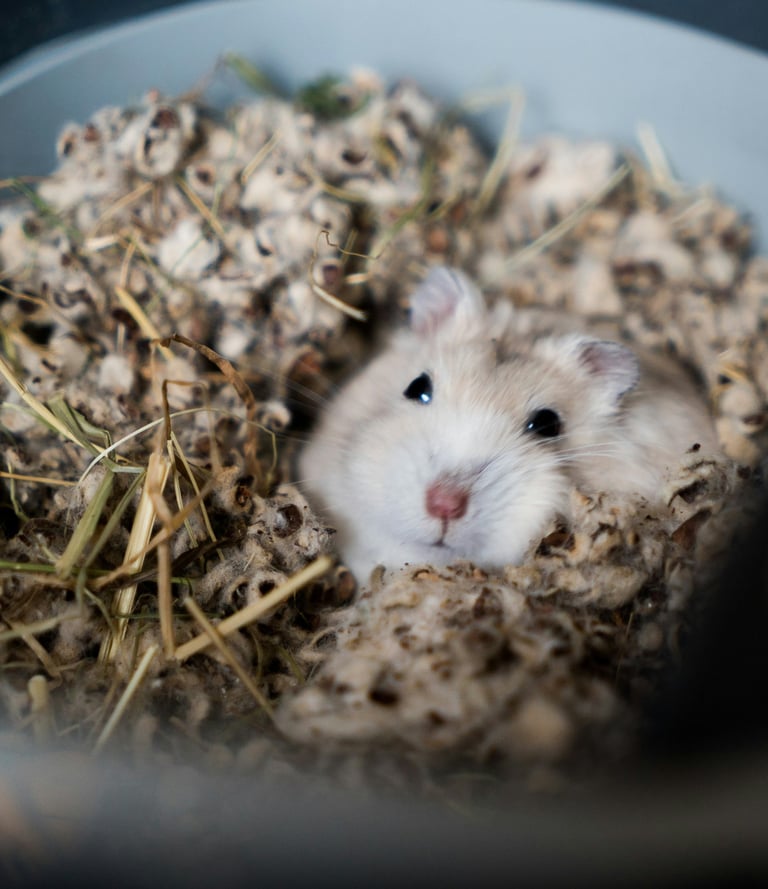
Small mammals (rabbits, rats, hamsters) spend a huge portion of their lives as prey. This makes them prone to "High Alert" states where they freeze or bolt.
The Struggle: A rabbit or guinea pig that stays in their hidey-hole all day, too nervous to explore.
The Logic: You can’t "pet" a rabbit into being brave. You have to trigger their Seeker System.
Scavenging Example: The "Deep Dive." For hamsters or rats, provide a "foraging box" filled with safe substrate (like aspen shavings or hay) that is significantly deeper than their normal bedding. Mix in their favorite seeds.
The Progression: The physical act of burrowing and "excavating" for a reward is a low-arousal task that builds confidence. A rat that spends 20 minutes "mining" for peas is a rat that feels safe in its environment.
Reptiles & Amphibians: The Metabolic Calm
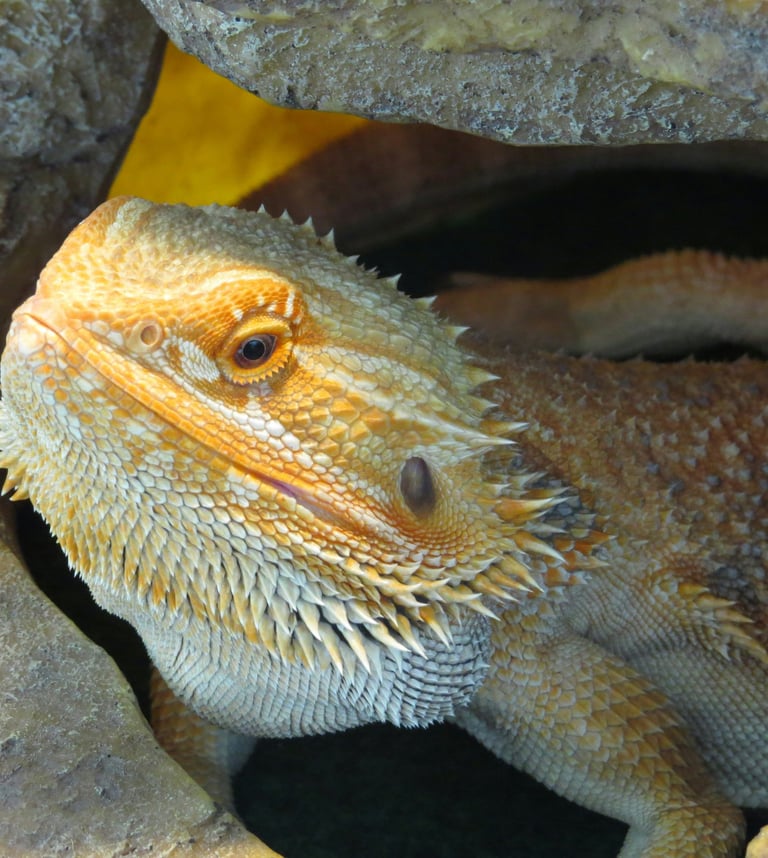
Even cold-blooded pets have a Seeker System. A stressed reptile may glass-dance (rubbing their nose on the glass) or refuse to eat.
The Struggle: A Bearded Dragon that constantly paces the length of the enclosure.
The Logic: Glass-dancing is often a sign of a "stuck" seeking drive. They want to move and find something, but the environment is too predictable.
Scavenging Example: The "Herbivore Hide." For lizards that eat greens, don't put the salad on a plate. Tuck pieces of squash or greens into the crevices of their climbing wood or under a flat rock.
The Progression: The animal has to use their tongue and eyes to "scavenge" the environment. This slow, deliberate movement is far more enriching than a 2-second "hunt" for a cricket.
Calibrating the Logic of Calm
When you transition your pet from "Hunting" to "Scavenging," you are essentially teaching them how to meditate.
Stop the Chase: If your pet is currently over-aroused (panting, wide eyes, pacing), stop all high-speed movement.
Lower the Difficulty: Make the first "find" incredibly easy. Put the food right under their nose.
Build the Duration: As they calm down, make the searches longer and the hides more complex.
By engaging the Seeker System, you aren't just giving them something to do; you are providing the neurological tools they need to regulate their own emotions.
The Petz Logic Takeaway
Information is the key to a calm home. Understanding that "exercise" isn't always "effort" allows you to choose the right logic for the right moment. If your pet is wired, stop the hunt and start the scavenge. At Petz Logic, we help you transition from managing behaviors to understanding the biological systems that drive them. Stop guessing why they’re anxious—Start knowing how to help them find their calm.
The Petz Logic System Download the Free P.L.A.Y. Scorecards & More Shop Digital Trackers & Premium E-Books & Systems by Petz Logic
© 2026 Petz Logic. All Rights Reserved. Empowering you with knowledge, not prescriptions. This content is for educational use and does not replace your vet. As an affiliate, we may earn a commission from qualifying purchases at no extra cost to you.
Petz Logic™ and the Petz Logic logo are trademarks used by PetzLogic.com.
Contact me & tell me your story


Don’t miss out Join the Pack
We are constantly adding new logic and tools to the hub. Enter your email to be notified when we release new guides or major updates. No spam, just logic.
petzaremylife@petzlogic.com
A Personal Note
I’m building this ecosystem by hand, piece by piece. Since it’s just me behind the blueprints, I’m always open to hearing your concerns and evolving this design with your feedback. As we grow, I’m planning to add a dedicated Q&A section to help tackle the specific logic of our pets' lives.
All I ask is that you bring those words with kindness. Let’s keep this community as respectful as the animals we love.
Thank you so much 😊
Mo