
Ditch the Bowl: Eliminating the Vacuum
In a modern home, mealtime is often the most anticipated part of a pet's day. Yet, for many, it’s over in a matter of seconds. When we place a bowl of kibble or a saucer of wet food on the floor, we are essentially handing our pets a "finished puzzle." They inhale the calories like a vacuum, and then... they’re bored.
At Petz Logic, we believe the food bowl is a missed opportunity. In the wild, no animal finds their daily caloric needs perfectly portioned in a ceramic dish. They forage, they hunt, they solve problems, and they move. By Ditching the Bowl, you aren't just feeding your pet; you are satisfying a deep-seated biological need to work for their resources.
The Biology of the Search
Every species we cover—from the high-drive Belgian Malinois to the patient Bearded Dragon—possesses a "seeking system" in the brain. When an animal is searching for food, their brain releases dopamine. This isn't just about hunger; it’s about the mental satisfaction of the hunt or the forage.
When we eliminate the search, we often see behavioral fallout:
Obesity: Rapid eating leads to poor satiety signals.
Boredom Behaviors: Destructive chewing, excessive vocalization, or "zoomies" that stem from pent-up mental energy.
Digestive Issues: Bloat or regurgitation from "vacuuming" food too quickly.
By turning "Meal Time" into "Activity Time," we extend the duration of eating from seconds to minutes, providing the mental stimulation that a sedentary lifestyle often lacks.


How to Ditch the Bowl Across the Species
Dogs & Cats: From Vacuums to Hunters
Dogs and cats are opportunistic hunters. Their bodies are built for the tactical find—using their noses to track, their paws to manipulate, and their brains to calculate the best approach. When we hand them a bowl, we effectively shut down their primary senses.
The Logic: Deconstruct the meal. Transition from "stationary ingestion" to "movement-based acquisition."
The "Scatter-Search" (The Tactical Find): Instead of a bowl, scatter their dry food across a safe, indoor surface like a rug or a towel.
The Logic: This forces the pet to use "Scent-Logic." They can’t just see the food; they have to use their nose to "clear" the area. As they get better, you can "scrunch" the towel so the food is hidden in the folds, requiring them to use their paws to unfurl the fabric.
The "Multi-Room" Hide-and-Seek: Divide the meal into 5 or 6 small portions (you can use small cups or even just piles on the floor). Hide these "caches" throughout a room or the entire house.
The Logic: This mimics the natural movement of a hunter. The pet has to travel between locations, utilizing their spatial memory and their nose to find the next "win."
The "Lick-and-Chill" Strategy (Cats & Dogs): For wet food or "sticky" treats (like plain pumpkin or yogurt), use a textured mat or even the back of a large spoon.
The Logic: Licking is a self-soothing behavior that releases endorphins. By spreading the food thin, you turn a high-speed "vacuum" moment into a 10-minute relaxation session. This is an "Easy Win" for reducing anxiety during stressful times, like thunderstorms or vet visits.
The "Cardboard Buffet": Before you throw away that egg carton or cereal box, put a few pieces of kibble inside and close the lid (loosely at first).
The Logic: This introduces "Mechanical Logic." The dog or cat has to figure out how to flip, tear, or nudge the object to get the payout. It’s a 100% free way to turn trash into a brain teaser.


Birds (Avian): The Natural Forager
In the wild, birds spend up to 80% of their waking hours looking for food. When we provide a bowl, we effectively "delete" the most active part of their day. A bowl of seeds makes a bird’s day very empty, which often leads to over-preening or excessive noise.
The Logic: If it’s easy to get, it isn't foraging. True foraging requires three steps: Search, Identify, and Extract.
The "Nested Cup" Tower: Take 3 or 4 small paper souffle cups. Place a single seed or a bit of spray millet in the bottom cup, then stack the next cup directly on top of it. Repeat the layers.
The Logic: The bird has to physically lift or toss each cup to find the "payout" in the layer beneath. It teaches them that one action leads to another—a perfect "Easy Win" for building persistence.
The "Shred-and-Seek" Skewer: Using a bird-safe stainless steel skewer, alternate layers of cardboard squares, thick leafy greens (like kale), and pieces of safe wood or cork. Hide a nut or a favorite treat inside a small cardboard box in the middle of the stack.
The Logic: This mimics the "Extraction" phase of foraging. The bird has to chew through the "barrier" (the kale and cardboard) to reach the high-value prize in the center.
The "Crevice Hunt" (The Foraging Tree): If you have a bird-safe perch or a wooden block, drill several shallow holes (about 1/2 inch deep) into the wood. Stuff a seed into the hole and cover it with a small piece of non-toxic masking tape or a bit of wax paper.
The Logic: This forces the bird to use their beak as a precision tool. They have to "peel" or "puncture" the covering to get to the food, much like they would peel bark off a tree in the wild.
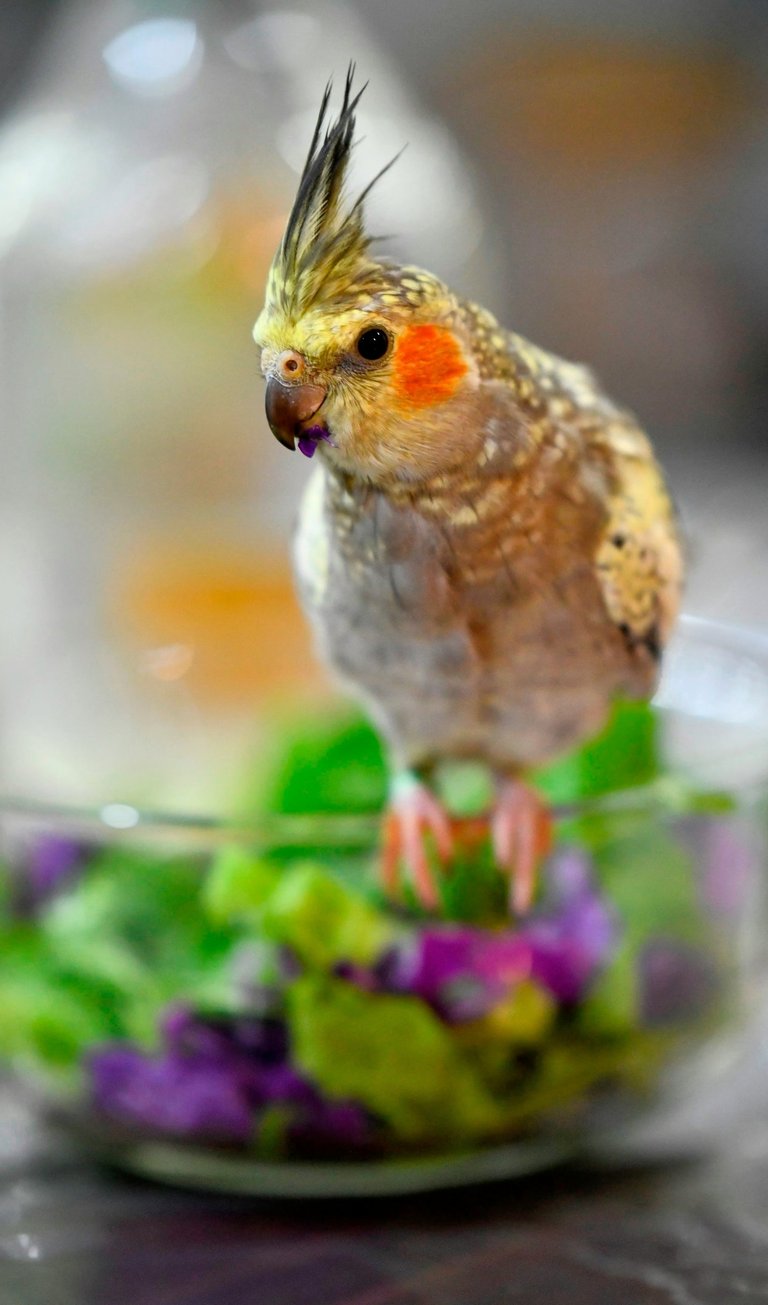
The "Foraging Tray" (For Ground-Feeders): For birds like Cockatiels or Budgies who naturally forage on the ground, use a large, shallow tray. Fill it with bird-safe "clutter"—river stones, large wooden beads, and paper shreds. Scatter their daily seed mix into the clutter.
The Logic: The bird has to use their beak and feet to move the "non-food" items aside to find the seeds. This turns a 2-minute meal into a 20-minute search-and-find mission.
Small Mammals: The Grazers, Excavators, and Engineers
From the locomotive grazing of a rabbit to the high-speed engineering of a rat, small mammals are built for movement. In the wild, "standing still" is a risk; "moving while eating" is a survival strategy.
The Logic: Transition from Stationary Ingestion to Locomotive Feeding. This keeps spines flexible, weight in check, and minds sharp.
Rabbits & Guinea Pigs: The High-Reach Grazers
The "Hay-Tree" Strategy: In the wild, the most succulent greens aren't always at foot level. Use a safe clip to hang kale or parsley from the top of the enclosure.
The Logic: This forces them to stretch their core and engage their hind legs. It’s a vital "Easy Win" for spinal health and muscle tone.
The "Nested Box" Challenge: Place pellets inside a small box, inside a medium box, inside a large box, all with offset holes.
The Logic: Your pet has to roll and toss the "nest" to line up the holes. It turns a 10-second meal into a 5-minute physical puzzle.
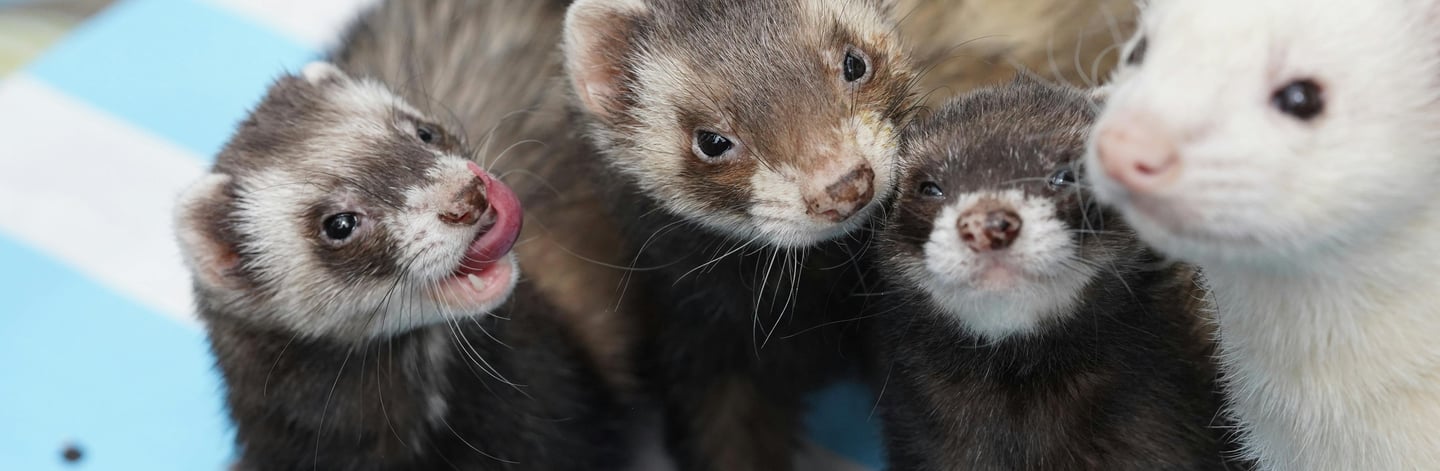
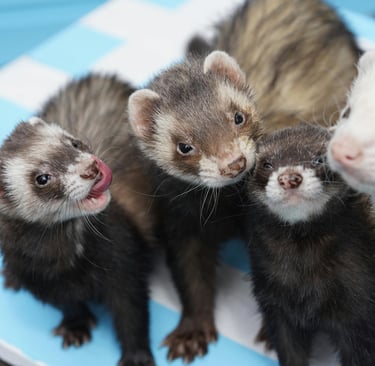
Ferrets: The Master Thieves
The "Dig-Pit" Excavation: Fill a bin with ping-pong balls or paper shreds and scatter kibble at the bottom.
The Logic: This triggers their "seeking" drive. They have to use their paws and nose to excavate their meal rather than vacuuming it from a dish.
The "Treasure Cache": Hide food inside a knotted sock or a small hollow ball.
The Logic: Ferrets have an instinct to "cache" or hide treasures. They’ll "steal" the object, carry it to their favorite corner, and solve the puzzle in their safe space.
Rats & Mice: The Problem-Solvers
The "Foraging Piñata": Wrap treats in plain tissue paper and hang them from the top of the cage using hemp twine.
The Logic: Rats are incredibly dexterous. They have to climb, hold the "piñata" with their paws, and shred the paper to get the payout.
The "Cardboard Maze": Connect several toilet paper tubes and small boxes into a labyrinth, hiding food at different "dead ends."
The Logic: This utilizes their superior spatial memory. They have to navigate and remember which turns lead to a "win."
Hamsters & Gerbils: The Hoarders
The "Deep-Burrow" Scatter: Instead of a bowl, scatter their seed mix directly into 6+ inches of substrate.
The Logic: These animals are born to tunnel. Burying the food forces them to dig "foraging tunnels," mimicking how they would find seeds and roots in the wild.
The "Vertical Skewer": Thread chunks of safe vegetables onto a bird-safe stainless steel skewer.
The Logic: This forces them to work against gravity. They have to stretch and nibble, preventing the "lazy hoarding" that happens with easy bowl access.
Hedgehogs: The Night-Hunters
The "Obstacle Course" Forage: Place small bits of food behind or on top of various enclosure accessories (under a bridge, behind a wheel).
The Logic: Hedgehogs have excellent smell but poor eyesight. Hiding food forces them to "nose-track" through their environment, keeping them active during their nocturnal hours.
The "Wiggle-Cup" Challenge: Place a mealworm under an upside-down, lightweight plastic cup.
The Logic: The hedgehog has to use their snout to flip or "bulldoze" the cup to get the prize. It’s a great physical workout for a species prone to obesity.
Reptiles & Amphibians: The Calculated Strike
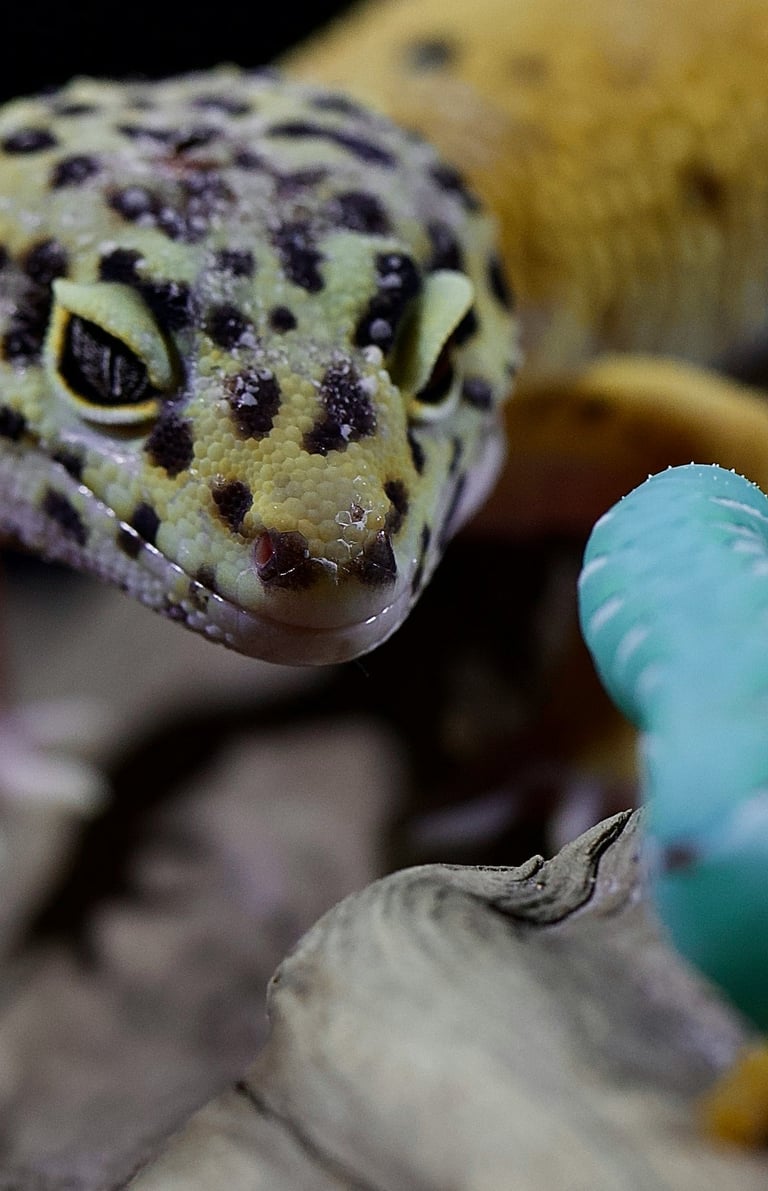
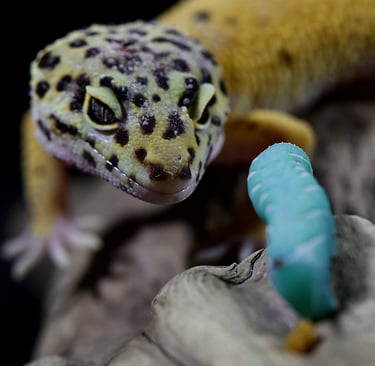
Even a slow-moving reptile benefits from a "search" phase. It keeps their muscles toned and their minds sharp.
The Logic: Activity before ingestion.
The Easy Win: For insectivores, use "escape-proof" puzzles where the reptile can see the movement of the prey but has to navigate an opening to reach it.
Visual Logic: Examples for Insectivores
The "Peek-a-Bug" Tube: Take a length of PVC pipe (or a sturdy cardboard tube for dry environments) and drill 1-inch holes at random intervals along the sides. Cap both ends and drop your crickets or roaches inside. Your pet sees the movement through the holes and has to track the tube until a bug either emerges or is close enough to the opening for a strike.
The Clear "Gate" Box: Use a transparent plastic container (like a clean deli cup) with one smooth-edged hole cut into the side near the bottom. Place mealworms or Dubai roaches inside. Your pet will try to "strike" through the clear plastic first; the "logic" is learned when they realize they have to navigate around to the side opening to get the prize.
The Rolling Feeder Ball: Use a small, clear plastic ball with holes (similar to a cat toy). As the reptile nudges the ball with their nose or feet, a bug is periodically released. This turns a static meal into a game of physical coordination.
Petz Logic Tip: For herbivores like Tortoises or Iguanas, "hang" their greens from the top of the enclosure. This forces them to reach, stretch, and tear the leaves, mimicking natural browsing behavior.
The Petz Logic Takeaway
The bowl serves our schedule, but the forage serves their nature. Breaking the "vacuum habit" is the first step in moving from a passive routine to a thrive-based lifestyle. When you understand the logic behind the search, you reduce the behavioral "noise" that comes from an uninspired mind. Petz Logic is here to provide the correct information you need to bridge the gap between daily routines and the biological basics that keep your pet sharp, fit, and truly engaged.
Calibrating the Logic of Difficulty
To ensure your pet doesn't hit Energy Conservation Mode and give up, you have to calibrate the difficulty:
Level 1 (The Win): Use a clear container with no lid. The pet can see the bugs through the sides but easily reach over the top.
Level 2 (The Challenge): Add the lid so they must find the side "gate" or wait for a bug to exit a tube hole.
The Logic of the "Easy Win"
For these smaller species, frustration often looks like "giving up and going to sleep." To prevent Energy Conservation Mode:
Level 1 (The Win): Make the food visible. Leave the boxes open or the "piñatas" partially torn so they see the immediate reward.
Level 2 (The Progress): Increase the depth of the bedding or add more layers to the boxes. Once they understand the Logic of the Search, their persistence will skyrocket.
Calibrating the Logic of Difficulty
Birds can be "neophobic" (afraid of new things). If you change their bowl too fast, they may enter Energy Conservation Mode and refuse to eat.
Level 1 (The Win): Use clear materials or leave the paper "barrier" partially open so they can see the food.
Level 2 (The Challenge): Fully wrap the treats or use opaque containers. Once they understand the Logic of the Search, they will trust that the food is there, even if they can't see it immediately.
Calibrating the Logic of Difficulty
Cats, in particular, can be very "bowl-loyal." If the food is too hard to find, they may walk away and enter Energy Conservation Mode.
Level 1 (The Win): Start with the food in plain sight on a flat surface.
Level 2 (The Progress): Introduce one "barrier"—like a single towel fold or a box with the top wide open. Once they realize that interacting with the object leads to food, they will become much more persistent hunters.
The Petz Logic System Download the Free P.L.A.Y. Scorecards & More Shop Digital Trackers & Premium E-Books & Systems by Petz Logic
© 2026 Petz Logic. All Rights Reserved. Empowering you with knowledge, not prescriptions. This content is for educational use and does not replace your vet. As an affiliate, we may earn a commission from qualifying purchases at no extra cost to you.
Petz Logic™ and the Petz Logic logo are trademarks used by PetzLogic.com.
Contact me & tell me your story


Don’t miss out Join the Pack
We are constantly adding new logic and tools to the hub. Enter your email to be notified when we release new guides or major updates. No spam, just logic.
petzaremylife@petzlogic.com
A Personal Note
I’m building this ecosystem by hand, piece by piece. Since it’s just me behind the blueprints, I’m always open to hearing your concerns and evolving this design with your feedback. As we grow, I’m planning to add a dedicated Q&A section to help tackle the specific logic of our pets' lives.
All I ask is that you bring those words with kindness. Let’s keep this community as respectful as the animals we love.
Thank you so much 😊
Mo