

Residential Arrival:
The Logic of the First 48 Hours
The moment you walk through your front door with a new pet is a major milestone, but it is also a massive environmental and biological shift.
At Petz Logic, we look at this transition through a clinical and behavioral lens. The first 48 hours are the foundation for everything that follows. However, looking at animals logically means accepting one fundamental truth: nothing is certain.
Every animal is an individual, and their behavior is a gamble. Our goal during this initial window isn't to predict exactly what your pet will do, but to create a secure, highly adaptable environment that supports their physiological transition, no matter what scenario unfolds.
The Multi-Pet Variable: The Dynamic Balancing Act
If your home already has established residents, introducing a new animal creates a completely unpredictable matrix. While the ultimate goal is a cohesive household, the first 48 hours require a fluid, dual focus: protecting the new pet's baseline recovery while ensuring your veterans feel secure, valued, and deeply involved.


Involving the Veterans
It is crucial that your established animals—especially dogs, cats, and highly sensitive species like birds—receive consistent attention, kindness, and care during this time. If the "founding members" of your home feel suddenly isolated or displaced, their anxiety and frustration will radiate through the house, spiking the tension for the new arrival. For intelligent, flock-oriented animals like birds, feeling sidelined can trigger immediate stress behaviors or loud vocalizations that completely shatter the calm environment you are trying to build. Maintaining your veterans' routines, walks, and one-on-one time isn't just fair—it is a deliberate strategy to keep the overall household energy steady and predictable.
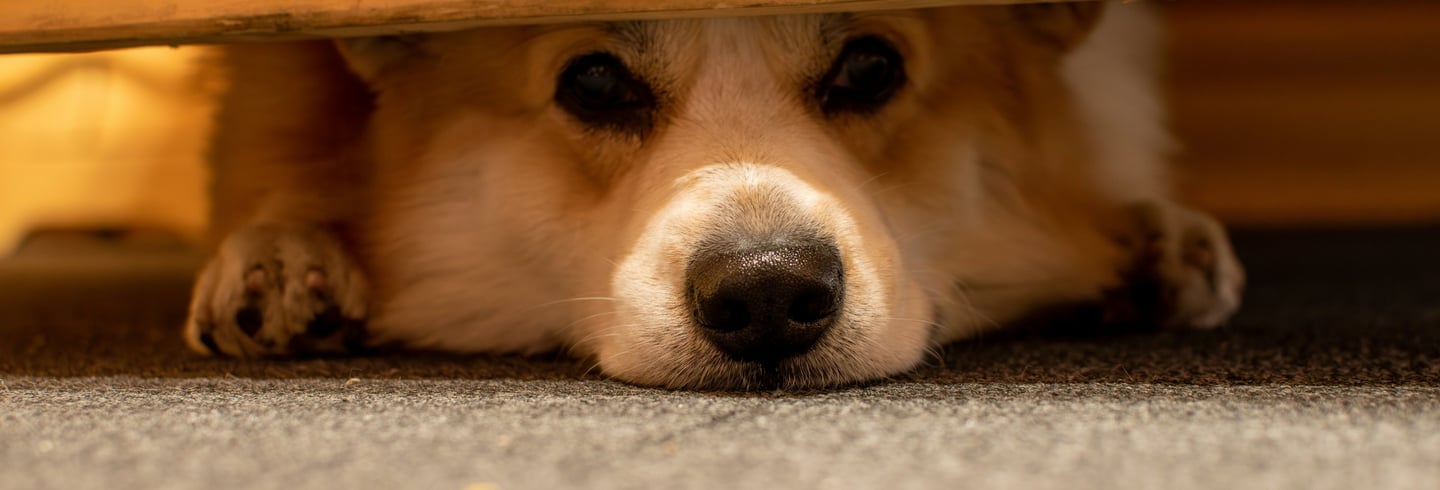
The Canine Factor: Adults vs. Puppies
The Adult Dog Spectrum: Adult dogs do not come with a single behavioral blueprint. Depending on their history and temperament, an established adult dog might react with hyper-vigilance, intense curiosity, total aloofness, or sudden anxiety. Because behavior is a gamble, exclusion is never the answer. Shutting your adult dog away out of caution breeds confusion and resentment. Instead, choose inclusion and kindness. Involve your adult dog by letting them exist in the background of the space during Passive Presence. Reward them for calm energy, treat them as your partner in the room, and show them that their place in the family is entirely secure. Ultimately, you must let the established dog set the pace—as long as their state of energy remains calm and peaceful. If they want to observe quietly from across the room, let them. If they want to calmly step closer to investigate, support it without pressure. However, if their energy shifts into tension, fixation, or anxiety, different measures need to be taken to redirect them and manage the space safely. By allowing a calm veteran dog to dictate the speed of their own acceptance, you prevent forced interactions that lead to conflict.
The Puppy Dynamic: A puppy's complete lack of "social brakes" can instantly disrupt a household. Their erratic energy can easily push an adult dog into a defensive or anxious state. I recently navigated this exact scenario in my own home. My Great Dane, Ziva, is incredibly submissive, docile, and naturally calm. But when we brought our new Parsons Russell Terrier puppy, Artie, home, that chaotic puppy energy completely upended Ziva's baseline. She became visibly nervous, anxiety-filled, and worried about this unpredictable variable in her space. During those first 48 hours, the puppy required strict environmental boundaries—using exercise pens and baby gates—so Ziva never felt the burden of having to "police" the space or defend her peace.
This physical boundary is exactly what allows your adult dog to safely set the pace of the introduction on their own terms, protecting the relationship before it even starts.

The Feline Factor: Adult Cats vs. Kittens
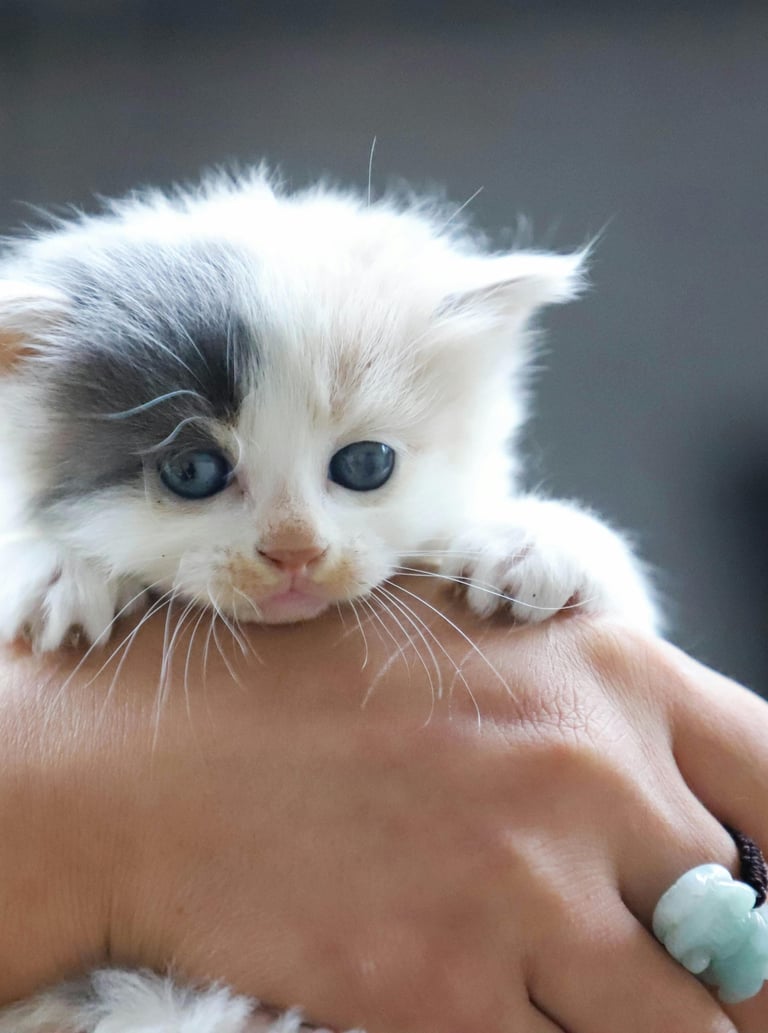
The Adult Cat Spectrum: Cats are fiercely territorial, and their reactions are wildly individual. One adult cat might choose total avoidance and vanish under a bed for two days, while another might stand their ground with vocal protests. We practice the Rule of Consent—never force an interaction, but never entirely close the door on organic progress. If an established cat and a new arrival display calm, positive, natural curiosity and want to investigate one another from a distance, let that progress happen. If any tension or stiff body language appears, gently introduce a physical buffer so everyone can reset without a high-cortisol conflict.
The Kitten Dynamic: Kittens also, have no concept of territory or social boundaries. Their sudden bursts of high-intensity play can easily terrify a hiding animal or provoke a veteran cat. Kittens need their own dedicated, secure zone during these first 48 hours to ensure they don't inadvertently trigger a defensive response from the rest of the household.

The Avian Factor: The Flock Dynamic
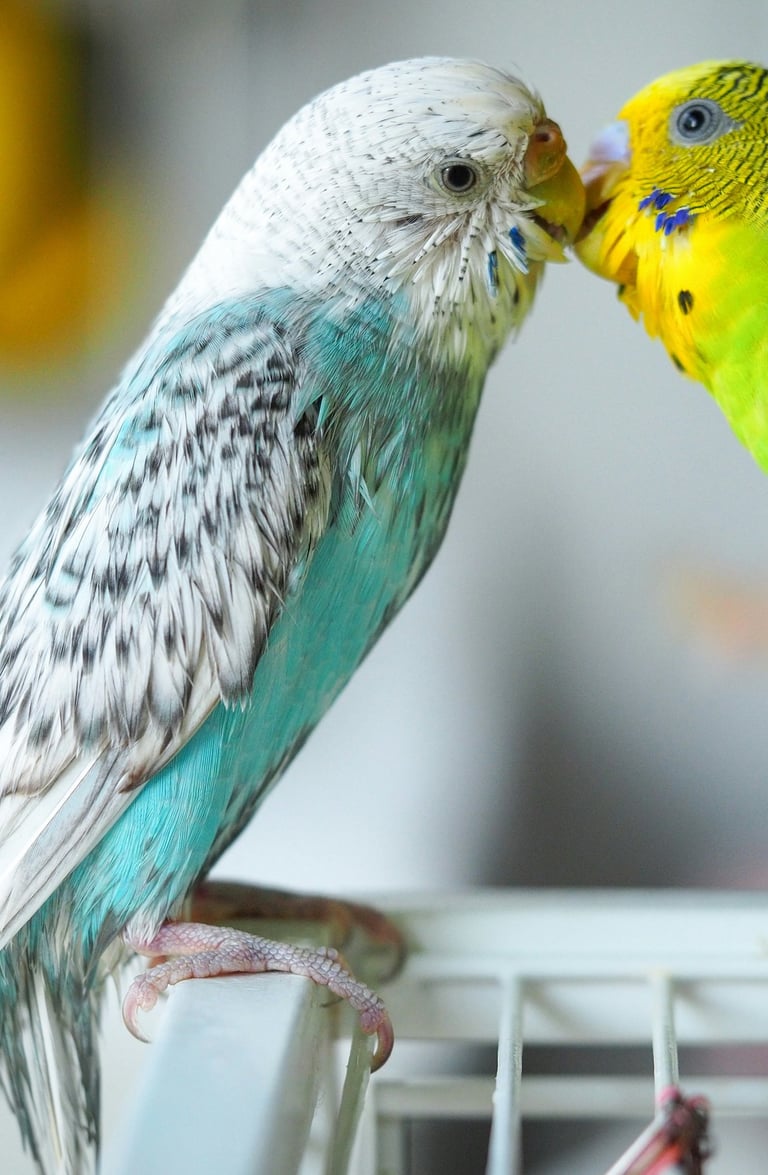
Birds deserve their own breakdown because they are incredibly intelligent, deeply bonded flock animals. A new arrival—whether it's another bird, a dog, or a cat—completely disrupts their established flock structure and sensory environment.
Veteran Birds: They are highly sensitive to shifting energy. If a veteran bird feels sidelined because a new pet is taking up all the oxygen in the room, they can quickly exhibit severe stress behaviors like excessive screaming, pacing, or feather plucking. Maintain their exact routine, training, and out-of-cage time (in a secure room) to assure them their rank in the flock is secure.
Avian Introductions: If introducing a new bird to an established one, strict quarantine is non-negotiable. At Petz Logic, the biological standard is a strict minimum of 30 to 45 days in a completely separate airspace. This protects your established flock from hidden illnesses that the new arrival's immune system might be masking due to the stress of moving. During this time, allow them to hear each other before they ever see each other, letting the natural flock calls dictate the pace of their eventual introduction.
The Logic: Preparing for the "Safety Crash"
Transition takes an immense physiological toll. Your new pet has likely been running on adrenaline and cortisol just to navigate the move. When an animal finally realizes they are in a secure space, their internal system triggers a biological reset.
How this reset expresses itself outwardly is entirely a roll of the dice:
The Deep Crash: Some animals will immediately drop into a profound, heavy sleep or seek out the darkest corner to hide.
The Erratic Cycle: Others—especially puppies, kittens, and high-strung adults—might display restless energy, "zoomies," or pacing before they can finally power down.
Never mistake temporary high energy for an animal being "settled." They are navigating a massive neurochemical shift and require a structured, low-stress environment to safely complete their transition.


90 Days of Logic: The Manual Your Pet Didn't Come With
The protocols we use to navigate these unpredictable first 48 hours are just the first page of a much larger story. For deep-dive, actionable guidance tailored to every unique scenario under your roof, look to the 90 Days of Logic.
This interactive, 200-page digital resource is built for the entire household to share. It shifts your daily routine from a guessing game into a 3-month lifestyle reset, mapping out your pet's exact biological, nutritional, and behavioral needs. By tracking their patterns through 11 structured logs, you move from raw observation to undeniable evidence—shifting from "I think my pet is okay" to "I have proof they are thriving." It’s a premium, clickable blueprint you can keep right on your phone or tablet, giving you the total confidence to clear the worry and simply enjoy your bond.
Rabbits: The Territorial Trap
The Reality: Rabbits are deeply social and should live in bonded pairs, but they are fiercely, viciously territorial.
Introduction Logic: "Rabbit bonding" is a serious psychological chess match. If you drop a new rabbit into an established rabbit's territory during the first 48 hours—or anytime without a long, meticulous process—it almost always triggers a brutal, bloody fight. They fight to inflict damage, using their powerful hind legs to kick and teeth to rip.
The Protocol: For rabbits, early introductions are a hard no. They must be kept entirely physically separate, in separate spaces, while they decompress. Bonding happens weeks later, strictly on 100% neutral territory where neither rabbit has home-court advantage.

Troubleshooting the Spectrum
While every species has specific habitat requirements, the "Safety Crash" generally falls into two behavioral patterns. Here is how you handle them:
The Deep Crash (Intense Hiding or Sudden Lethargy): The logic here is sensory overload or necessary physiological repair.
Your Actionable Solution: Dim the lights, ensure water is within reach of their hide, and let them sleep. Do not wake them to interact.
The Erratic Cycle (Restless Pacing or Refusing to Eat): The logic is that the adrenaline hasn't dropped yet, resulting in a locked digestive system or high anxiety.
Your Actionable Solution: Leave a high-value food item nearby overnight. Maintain a rigid, boring routine, and rely entirely on Passive Presence to prove the environment is non-threatening.


The Joy of the Habitat
In my experience, while the first 48 hours require logic, patience, and careful management, this transition is ultimately a profoundly joyful time. It is a milestone that should be celebrated and deeply enjoyed. Honestly, in all my years of doing this, I have never encountered an animal that wasn’t happy to come home and be a part of the habitat I’ve created.
When you set up your home with intention and let them decompress at their own biological pace, you give them the greatest gift possible: the realization that they are finally safe. Once that adrenaline drops and they realize they are exactly where they are meant to be, that is when the real journey begins.
The Petz Logic System
Download the Free P.L.A.Y. Scorecards & More
Shop Digital Trackers & Premium E-Books & Systems by Petz Logic


The Habitat Species: Reptiles, Amphibians, & Small Animals
For animals that live entirely within dedicated habitats (like rats, mice, chinchillas, ferrets, or bearded dragons), a new arrival introduces a massive biological risk. At Petz Logic, throwing new habitat animals together without a strict quarantine protocol is a gamble you cannot afford to take. These species are absolute masters at masking illness, and the intense stress of a move can trigger the shedding of hidden dangers like respiratory pathogens, internal parasites, or deadly viral loads.
The Same-Time Acquisition & Colony Juggle Rule (Small Mammals): If your goal is to keep social small mammals like rats or mice, they have an absolute biological requirement to live in pairs or multiples. Initially, it is always best to get your foundation group at the exact same time. Bringing them home together ensures a completely neutral starting line with no home-court advantage, eliminating early territorial defense. However, Guardians must recognize that these small guys have very short lifespans. Because they cannot be left to live alone when a cage-mate passes, you are signing up for an ongoing Colony Juggle. Eventually, you will face the necessity of introducing younger members to the colony before the senior animals pass away. This means introductions are inevitable down the road. Recognizing this lifespan loop early allows you to prepare for the reality of future quarantine and neutral-space integration from day one.
The Interspecies Cohabitation Warning (Reptiles & Amphibians): We must establish a strict clinical boundary here: it is highly discouraged and generally unsafe to mix different species of reptiles and amphibians within the same habitat. Every single species requires a uniquely dialed-in microclimate, specific thermal gradients, and distinct humidity profiles that cannot be safely compromised or shared. Furthermore, mixing species introduces a massive risk of interspecies predation, stress-induced immune failure, and toxic skin secretions (especially from amphibians) that can quickly prove fatal to a reptile cohabitant. Each species demands its own dedicated, unshared ecosystem.
The Quarantine Protocol: Skipping quarantine creates a massive risk of cross-contamination. A strict quarantine period—ranging from a minimum of 30 days for small mammals to a mandatory 60 to 90 days for reptiles and amphibians—in a completely separate room and separate airspace is vital to protect your established habitats.
Sensory Management: During the initial 48-hour window, keep all enclosures entirely physically separate to preserve environmental stability and prevent defensive territorial spiking. However, we remain open-minded to safe visual acclimation. If a small animal or reptile shows calm interest in the background movement of the room from within their secure quarantine habitat, honor that natural adjustment. Let the animals guide the pace of their own visual exposure without forcing proximity.


Guinea Pigs: The Space-Dependent Herd
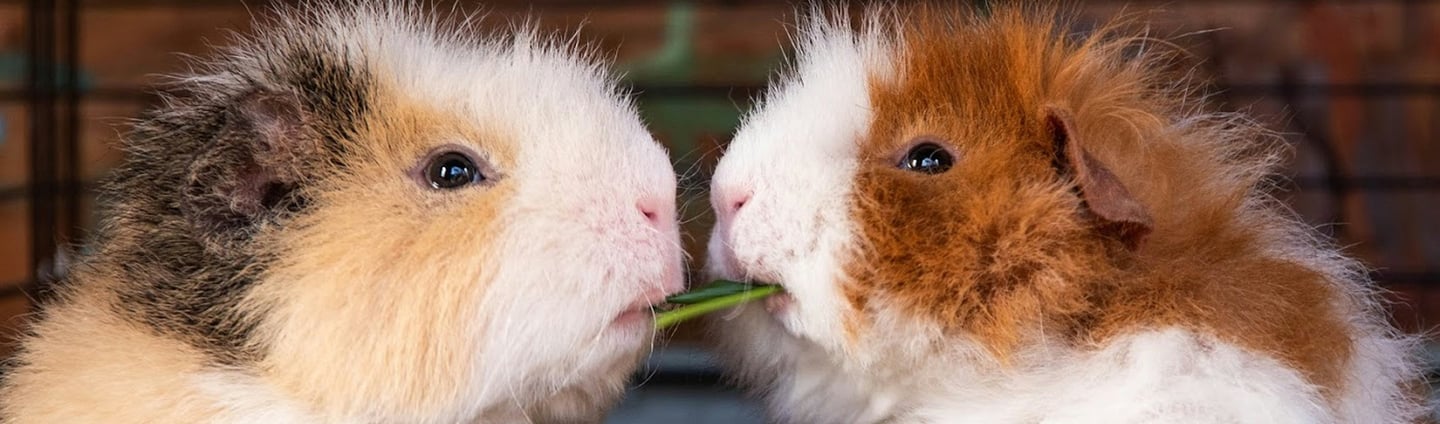
The Reality: Guinea pigs are herd animals that absolutely require a roommate, and they can be slightly more tolerant than rabbits, but only under very specific structural conditions.
Introduction Logic: Females (sows) are generally receptive to new females, provided the habitat is massive and there are no single-entrance hides where one can trap another. Males (boars), however, are a different story. Adult boars will fight aggressively over territory. The only high-success introduction for a solo adult male is pairing him with a very young baby male (under 8 weeks), as the adult's brain doesn't view a baby as a threat to his hierarchy.
The Protocol: Even though they are herd animals, the first 48 hours still mandate separate quarantine. When introductions do happen later, it requires a mountain of hay and high value foods in a neutral space to distract them while they sort out their rumble strutting and dominance boundaries.
Ferrets: The Dominance Dance
The Reality: Out of the three, ferrets (a group is literally called a "business") are historically the most accepting of new additions, but their introduction process looks the most terrifying to a Guardian.
Introduction Logic: Ferrets have incredibly thick skin and a complex social hierarchy. When you introduce a new ferret, they will wrestle, bite each other’s necks, hissed, and drag each other across the floor. To a human, it looks like a battle to the death. But to ferrets, this is normal dominance sorting. The golden rule of ferret logic is: No blood, no foul, no foul play (meaning no screaming in terror, no biting to break skin, and no fear-pooping). If they are just wrestling and neck-scruffing, you let them handle it.
The Protocol: Keep them separated for the initial safety crash window to let the new ferret drop their moving-day adrenaline. Once they are medically cleared and calm, introductions can happen relatively quickly compared to rabbits, usually blending into a cohesive business within a week. So long as medically they are in full health.


© 2026 Petz Logic. All Rights Reserved. Empowering you with knowledge, not prescriptions. This content is for educational use and does not replace your vet. As an affiliate, we may earn a commission from qualifying purchases at no extra cost to you.
Petz Logic™ and the Petz Logic logo are trademarks used by PetzLogic.com.
Contact me & tell me your story


Don’t miss out Join the Pack
We are constantly adding new logic and tools to the hub. Enter your email to be notified when we release new guides or major updates. No spam, just logic.
petzaremylife@petzlogic.com


A Personal Note
I’m building this ecosystem by hand, piece by piece. Since it’s just me behind the blueprints, I’m always open to hearing your concerns and evolving this design with your feedback. As we grow, I’m planning to add a dedicated Q&A section to help tackle the specific logic of our pets' lives.
All I ask is that you bring those words with kindness. Let’s keep this community as respectful as the animals we love.
Thank you so much 😊
Mo