
THE HORMONAL AMPLIFIER:
When Instinct Goes into Overdrive
Sometimes, the biological volume knob gets turned up so high that a simple need for comfort transforms into an all-consuming mission. We have spent this series looking at how to build the perfect sanctuary, but there is a point where cozy may become obsessive. From a behavioral standpoint, we have to recognize that nesting isn't just about sleep; for many species, it is the primary engine of the reproductive drive. When hormones enter the chat, the quiet sanctuary you built may suddenly feel like a fortified bunker.
To Stop Guessing why your sweet pet has suddenly become a tiny, territorial dragon, we look at the Hormonal Amplifier. This is the stage where seasonal shifts, life stages, or environmental triggers may trick the brain into thinking it is time to populate the planet. If left unmanaged, this instinctual overdrive may lead to reproductive exhaustion or aggressive resource guarding.
Recognizing the Shift:
Cozy vs. Obsessive
Identifying the line between a healthy rest and a hormonal fixation is the first step in maintaining a balanced home. Through our lens, we look for these specific red flags that the amplifier is turned up too high:
The Guarding Response: If an animal may react with uncharacteristic intensity when you approach their bed or cage, they may be viewing that space as a nursery rather than a bedroom.
The Infinite Project: A healthy pet may fix their bed and go to sleep. A hormonally amplified pet may never stop. They may spend hours shredding, digging, or rearranging their space without ever actually settling down.
Physical Toll: In certain species, this drive may lead to physical decline. You may see feather plucking in birds, frantic pacing in dogs, or a refusal to eat in reptiles because they are too focused on the "nest."
Species Profiles: The Overdrive Signals
In our framework, we see that every species has a different way of shouting that their hormones are in control.
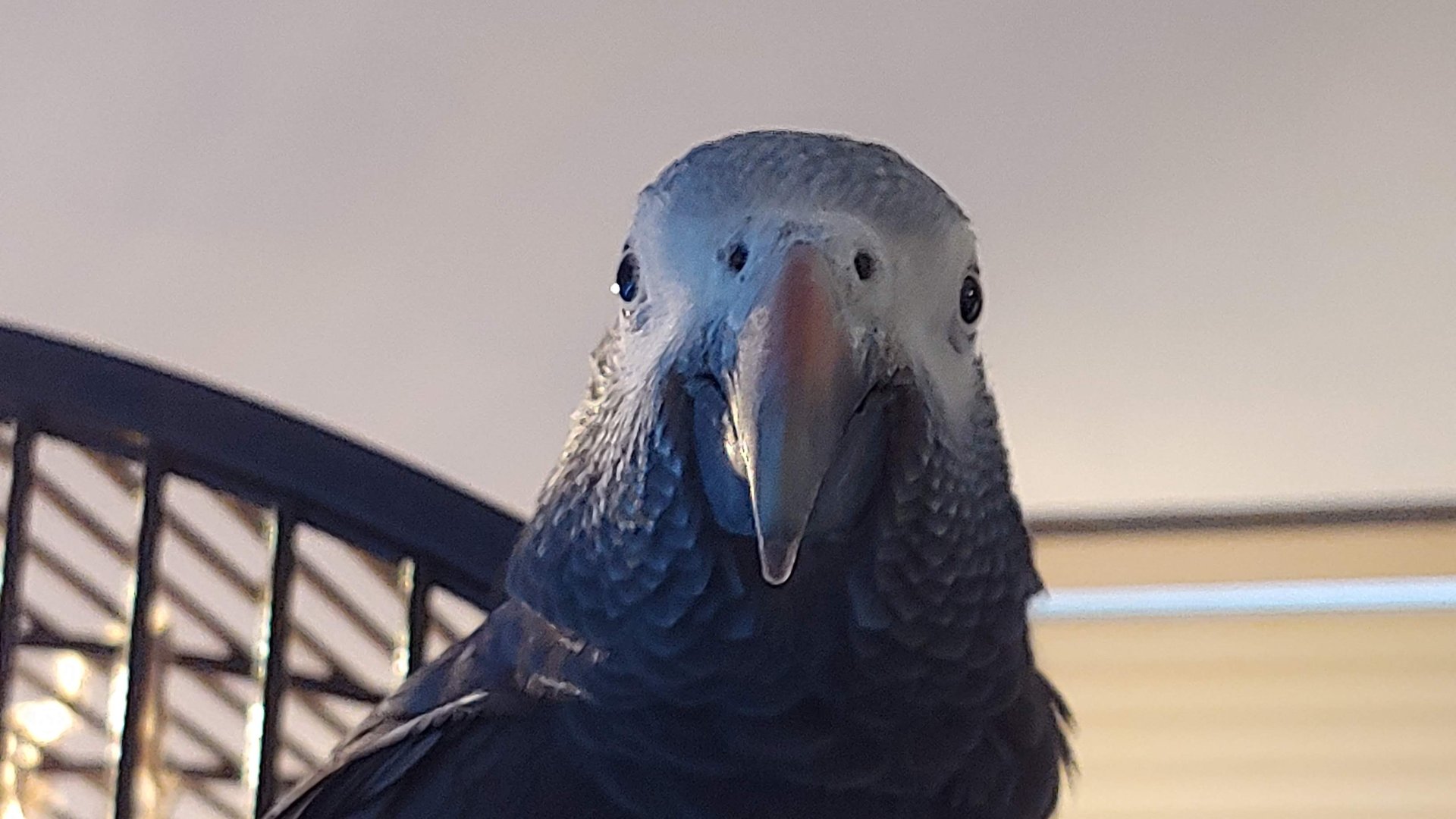
Birds: This is often where the amplifier is loudest. A bird may start viewing their owner as a mate or their favorite toy as an egg. This may lead to chronic egg-laying, which may deplete their calcium and lead to health issues.
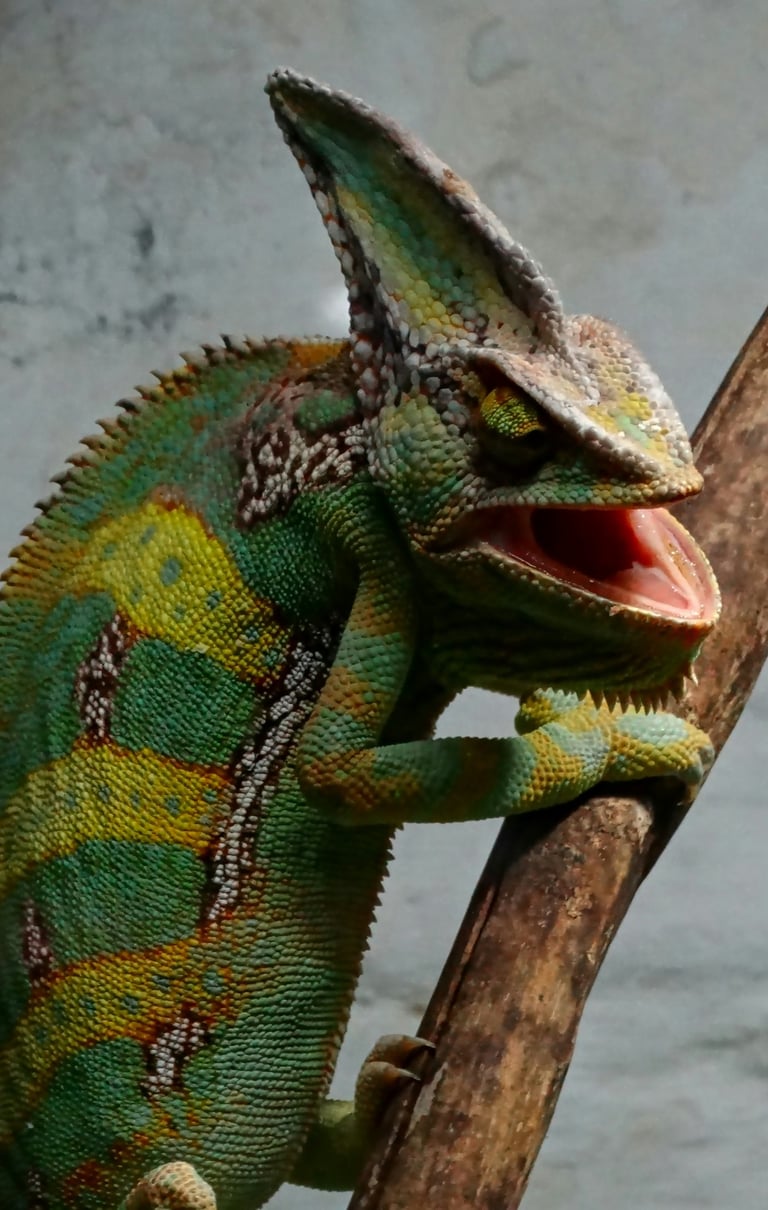
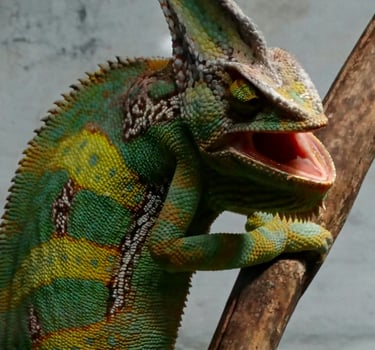
Reptiles and Amphibians: A female reptile may become frantic, digging incessantly even if no mate is present. This state of being "gravid" may put immense strain on their internal organs if the environment doesn't allow them to complete the cycle safely.
Small Mammals (Rats, Hamsters, Rabbits): You may see a massive spike in resource hoarding and "nest-building" franticness. While your new baby rats may wrestle to find their social rank, a hormonally driven adult may begin to aggressively block access to certain tunnels or food stores to protect their perceived nursery.
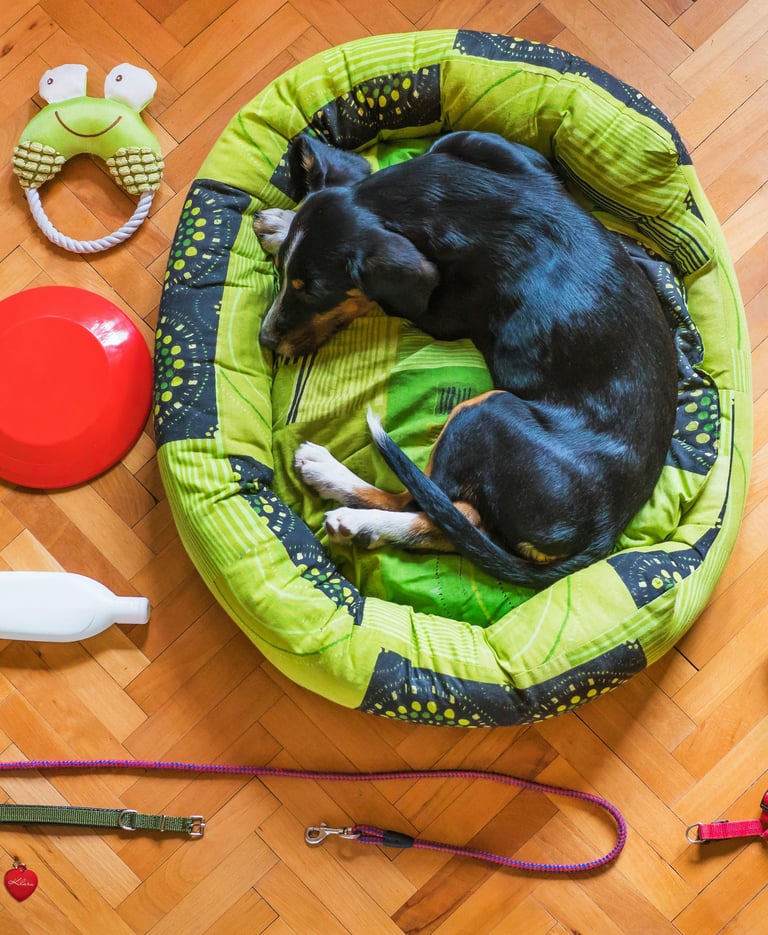
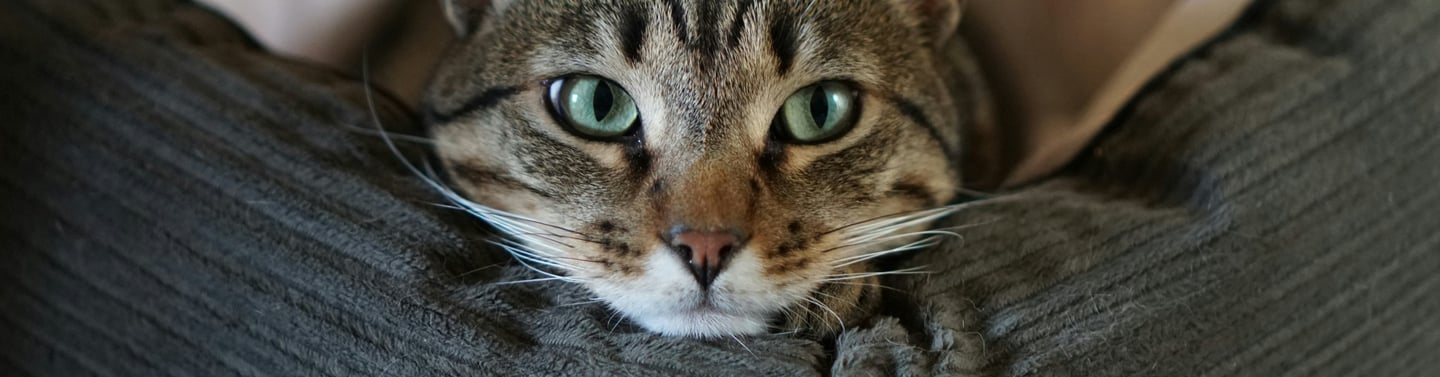
Dogs and Cats: Even in spayed or neutered pets, a "false pregnancy" or seasonal shift may occur. A dog may start mothering a specific stuffed toy, or a cat may become intensely territorial over a specific closet, refusing to leave for hours on end.
The Strategy: Cooling Down the Drive
According to our methodology, the goal isn't to punish the instinct, but to change the environmental signals that are feeding the fire. By adjusting the "inputs," we may help the animal’s brain return to a neutral state.
Manage the Light Cycle: The internal clock of almost every pet is governed by the photoperiod, or the amount of light they receive in a 24-hour cycle. Many hormonal surges are triggered when the brain perceives that the days are getting longer. While this is a well-known factor for birds and reptiles, it is equally important for small animals like rats, hamsters, and rabbits. Even these smaller mammals can experience a spike in territoriality or nesting intensity if their environment stays lit for too many hours. By strictly regulating light and dark hours—ensuring a consistent, undisturbed block of darkness for at least 12 hours—you may signal to the brain that the peak season has passed, helping to settle the reproductive drive.
The Layout Reset: If a pet has become obsessed with one specific corner or box, it may be time for a change. Rearranging the furniture in the cage or moving the bed to a new location may break the territorial loop and force the brain to re-evaluate the space as a neutral resting spot.
Caloric Regulation: In the wild, an abundance of high-fat, high-calorie food signals that it is a safe time to raise young. By slightly leaning out the diet or moving to a more forage-based feeding style, you may naturally lower the reproductive drive.
Substrate Sabotage: If a shredder is going into overdrive, you may temporarily swap out their favorite shredding materials for a different texture. This change in tactile feedback may interrupt the nesting obsession.

The Human Element: Leading the Decompression
When you recognize the Hormonal Amplifier, you stop taking the behavioral changes personally. Your pet isn't being mean or difficult; they are simply responding to a biological chemical surge. As the Lead, your job is to provide the environmental cues that tell their nervous system it is safe to relax and that the "mission" is over.
Understanding the difference between a sanctuary and a nursery is key to a long-term, peaceful bond. Manage the environment, cool the drive, and you may find that the calm, balanced pet you know is still right there under the surface.
The Petz Logic System
Download the Free P.L.A.Y. Scorecards & More Shop Digital Trackers & Premium E-Books & Systems by Petz Logic


© 2026 Petz Logic. All Rights Reserved. Empowering you with knowledge, not prescriptions. This content is for educational use and does not replace your vet. As an affiliate, we may earn a commission from qualifying purchases at no extra cost to you.
Petz Logic™ and the Petz Logic logo are trademarks used by PetzLogic.com.
Contact me & tell me your story


Don’t miss out Join the Pack
We are constantly adding new logic and tools to the hub. Enter your email to be notified when we release new guides or major updates. No spam, just logic.
petzaremylife@petzlogic.com
A Personal Note
I’m building this ecosystem by hand, piece by piece. Since it’s just me behind the blueprints, I’m always open to hearing your concerns and evolving this design with your feedback. As we grow, I’m planning to add a dedicated Q&A section to help tackle the specific logic of our pets' lives.
All I ask is that you bring those words with kindness. Let’s keep this community as respectful as the animals we love.
Thank you so much 😊
Mo