
THE ANATOMY OF COMMUNICATION
Reading the Micro-Signals
Animals don't have words, but they are usually always saying something.
They speak through muscle tension, eye dilation, and posture. By learning to decode their eyes, ears, tails, and vocalizations across the entire emotional spectrum—from pure joy to cautious uncertainty—you stop guessing and start having fun learning and sharing a deeper, more connected conversation with your companion.
The Universal Language of Emotion
Before an animal acts, their body broadcasts their intent. The mistake most Guardians make is waiting for a loud exclamation—a bark, a hiss, an excited scream, or a frantic chirp—to tell them how their companion is feeling. By the time the noise happens, you have already missed the beginning of the conversation.
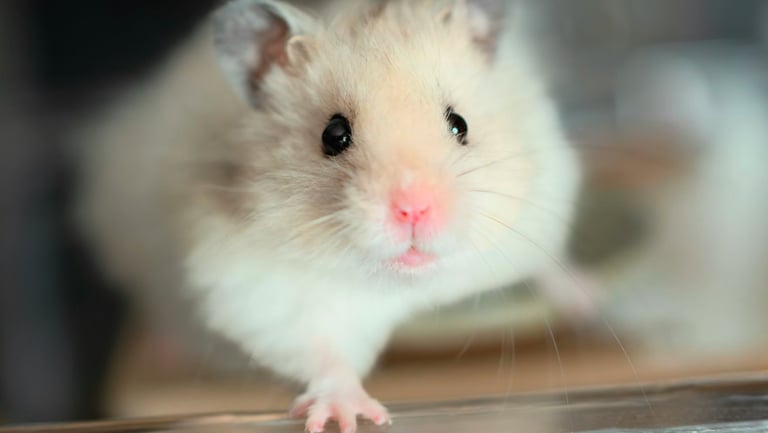
When we are caught off guard by a sudden vocalization or a fast movement, our own human nervous system instantly takes over. Startling, yelling, or snatching our hands away in a quick, jerky separation is a completely natural, deeply ingrained survival reflex. Let's be honest: it is incredibly jarring when an animal suddenly reacts, and asking you not to flinch or pull away is asking a lot. We are human, and it is perfectly okay to feel startled when energy shifts quickly.
However, doing our absolute best to override that instinct and avoid quick, panicked responses is critical. A sudden jerk or a loud gasp can accidentally validate a nervous animal's stress, trigger their predatory reflex, or even shut down a moment of joyful play.
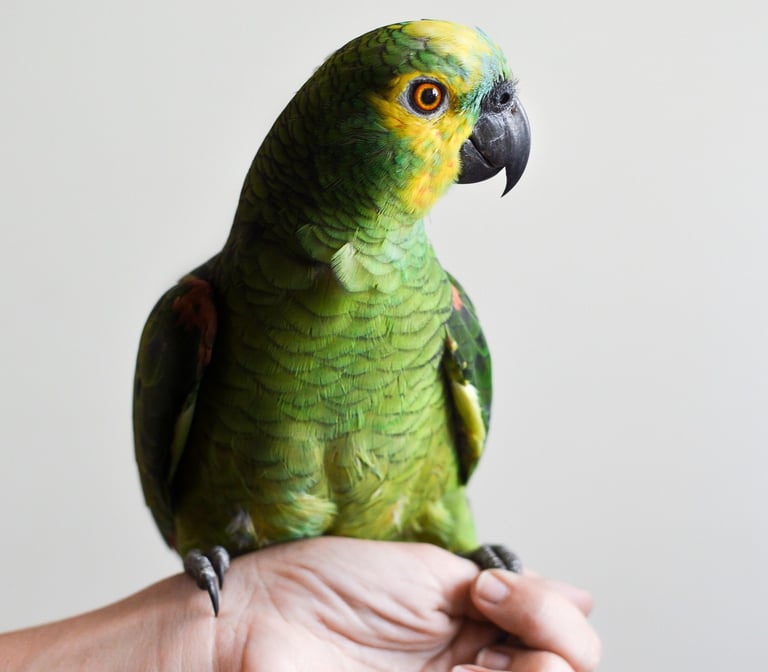
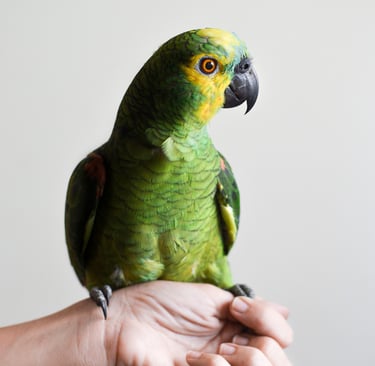
This is exactly why learning to read their micro-signals is so empowering. Whether you are sharing your home with a predator species like a dog, cat, or ferret; a flock animal like a bird; a small herbivore like a chinchilla, rat, or degu; or an observing reptile, the baseline rule of body language remains universal: Loose means comfortable and safe; stiff means highly stimulated or reactive.
By breaking down the body into specific communication sectors, you can interpret their mood with precision. You learn to lean into their joy or step away calmly, slowly, and quietly before tension breaks—saving both you and your pet from that scary, startle-response cycle altogether.
Organizing the Signals: Head to Tail
Of course, you can never read an animal's body language by just looking at one physical signal in isolation. You must always assess the entire situation, the overall mood, the current energy, and what is going on in the environment around you to determine exactly what is driving the behavior. A physical signal in a quiet, safe room might mean something entirely different than that exact same signal during a chaotic transition or a noisy event.
You must observe the sum of their parts. Here is how different species utilize their anatomy to signal their entire range of emotions:
The Eyes The Windows of Intent
The eyes are deeply tied to an animal’s autonomic nervous system. Long before a muscle twitches or a sound is made, the pupils and eyelids will shift in response to adrenaline, fear, or profound relaxation.
The Soft Gaze and the "Slow Blink": For predator species like dogs, cats, and ferrets, prolonged, unblinking eye contact is naturally confrontational. Therefore, offering a soft, squinty gaze or a deliberate "slow blink" is an active pacifying signal. It is their way of saying, "I am intentionally breaking eye contact to show you I am not a threat." You can actually build trust with an anxious cat or dog by mirroring this slow blink back to them. However, context is vital: In small prey species (like chinchillas, degus, or hedgehogs), a sudden, prolonged squint when they aren't resting is often a red flag. Because prey animals mask their weaknesses, sitting hunched with half-closed or squinting eyes is a classic, silent indicator of pain, illness, or severe distress.
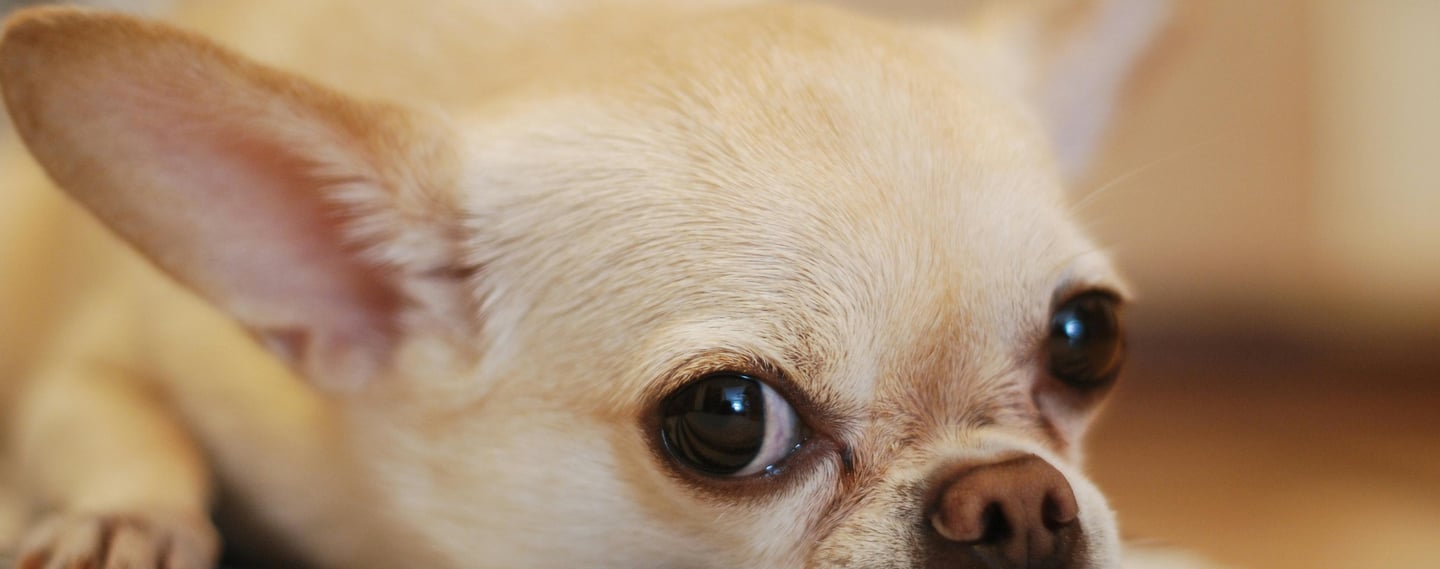
The Hard Stare and the "Whale Eye": A frozen, unblinking stare means the brain has locked onto a stimulus. This can simply be predatory hyper-focus—like a cat’s pupils dilating right before they pounce on a toy, or a dog staring intently at a squirrel. But when that hard stare is directed at you or another pet, the facial muscles freeze. If an animal turns their head slightly away but keeps their eyes locked on you so that the white of the eye (the sclera) becomes highly visible, this is known as "Whale Eye." It is a massive indicator of anxiety, resource guarding, or feeling trapped, and it often precedes a snap.
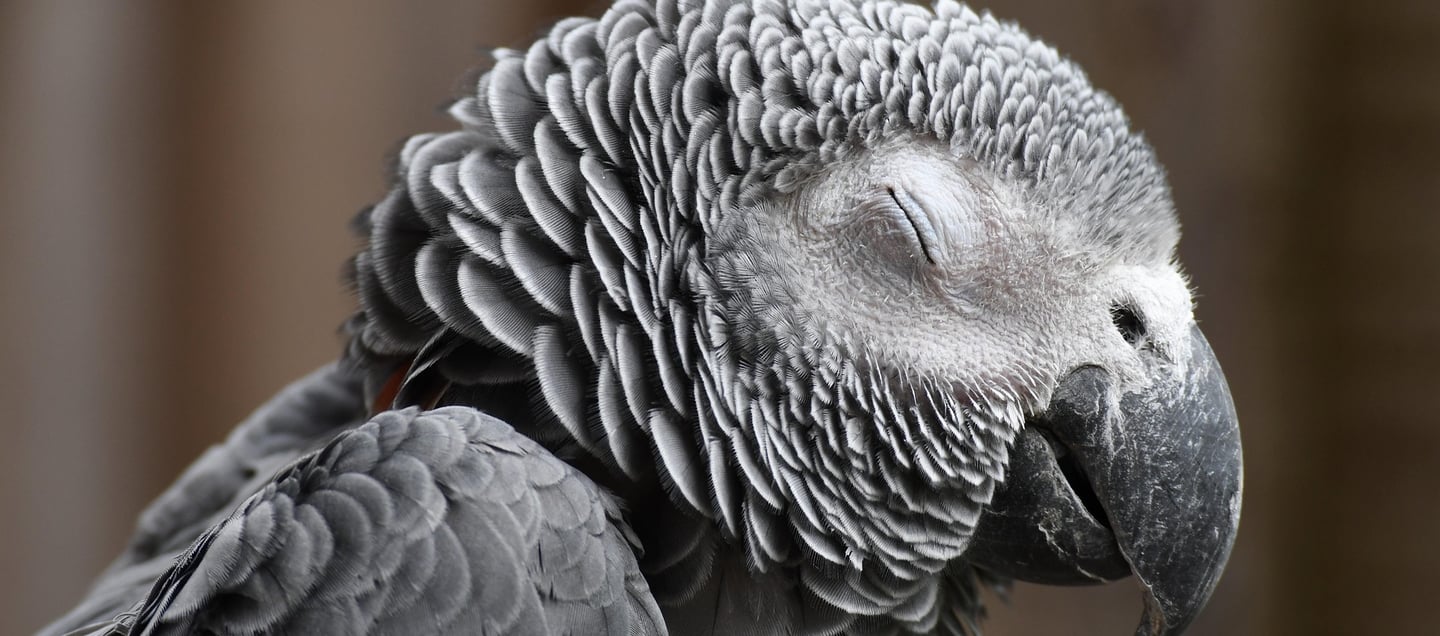
Avian Eye Pinning (The Processing Flash): Unlike mammals, birds have voluntary control over their irises. When a bird rapidly shrinks and expands its pupils—a behavior known as pinning or flashing—it means their brain is at maximum processing capacity. The bird is highly stimulated, but the eye alone doesn't tell you the emotion. If they are pinning while puffed up and leaning over their food bowl, they are preparing to aggressively defend their territory. If they are pinning while bobbing their head at a brand-new toy or a favorite treat, they are simply experiencing explosive, overwhelming joy.
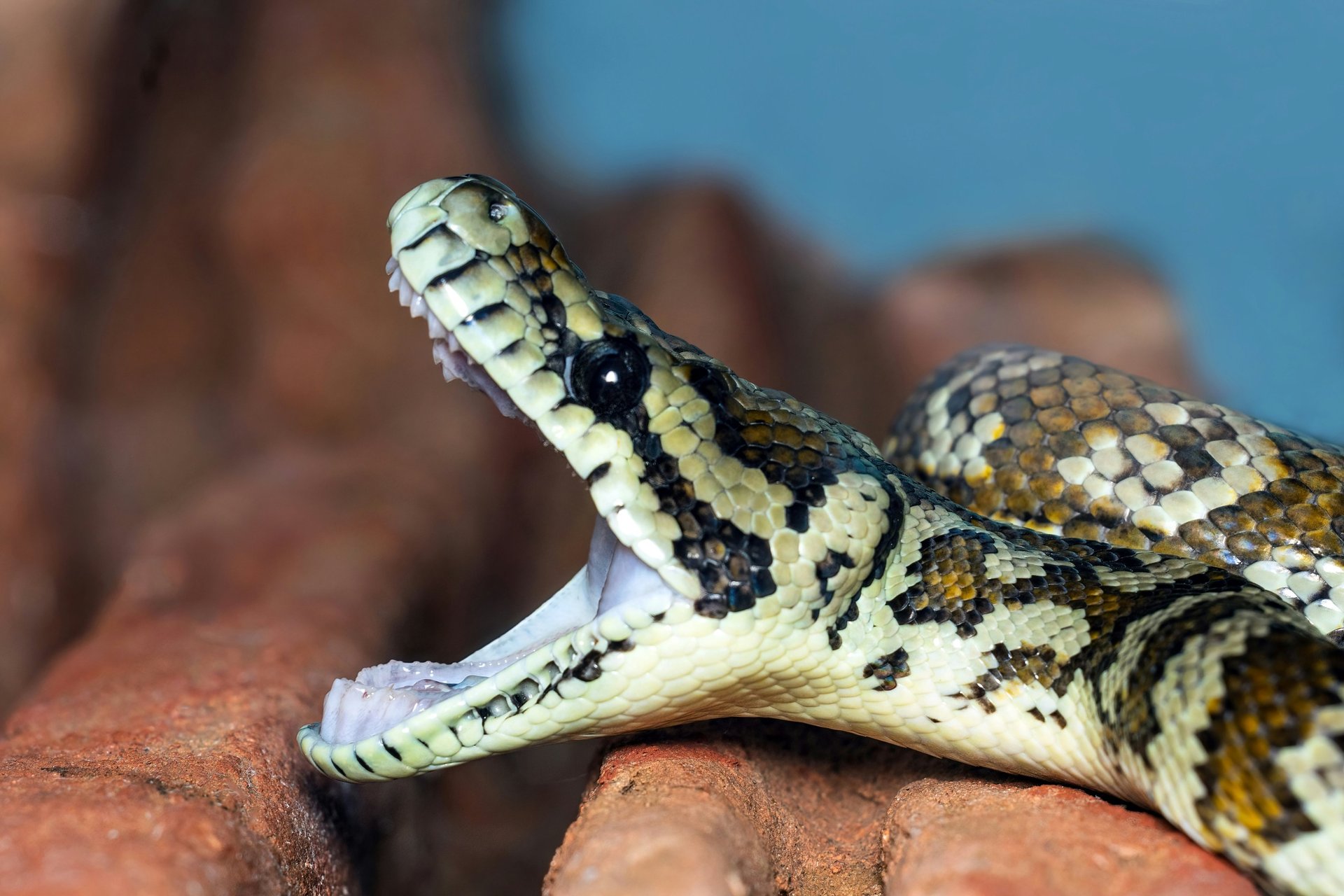
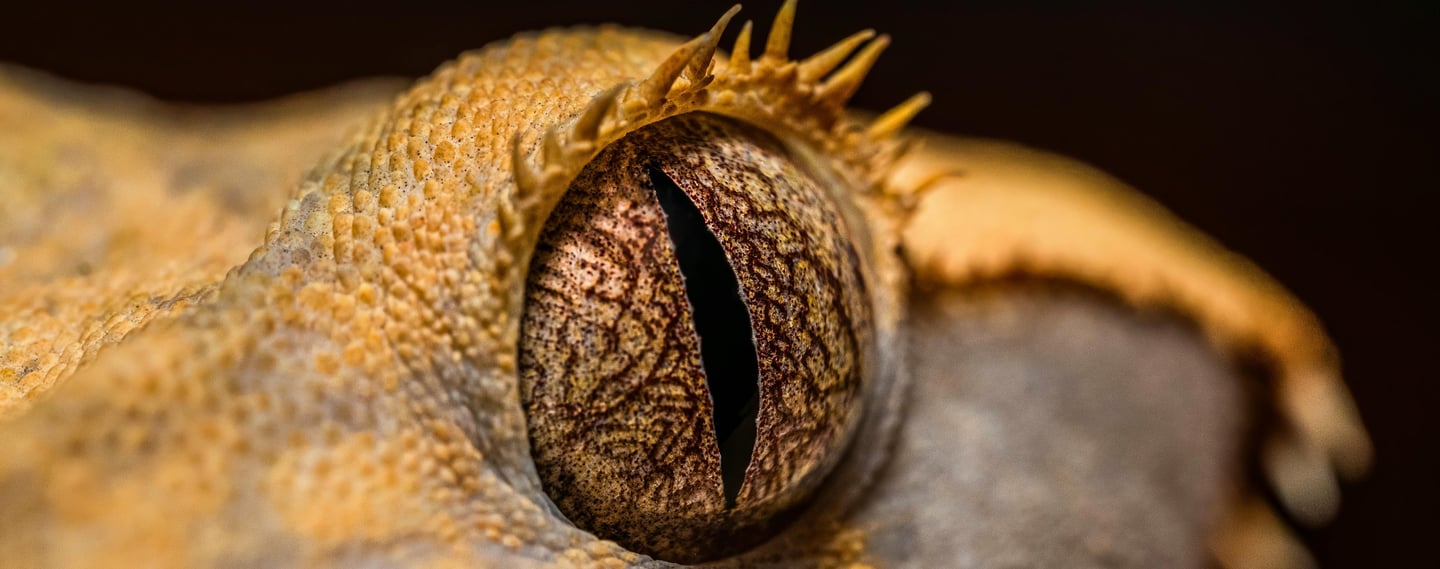
Reptilian Baselines (Comfort Closure vs. Avoidance): Reading reptile eyes requires knowing their anatomy. Snakes, for instance, do not have eyelids at all (they have clear scales called brilles), so they physically cannot close their eyes to show trust or fear. But for lizards and turtles, eye closure is heavily nuanced. If you reach down to pet a bearded dragon or gecko and they immediately tightly shut their eyes, they are not relaxing—they are flinching. It is a sign of avoidance, wishing the looming "predator" would go away. Conversely, reptiles are ectotherms (cold-blooded), and we are walking heat sources. If your reptile actively climbs onto your arm, flattens their belly against your skin to maximize heat absorption, and then their eyes softly droop or close, that is true comfort. They are deeply relaxed and utilizing you as a safe basking spot.
Small Mammal Boggling: To new rat Guardians, "boggling" can look absolutely terrifying. When a rat boggles, their eyeballs rapidly vibrate and bulge in and out of the sockets. But this is actually a fascinating quirk of their anatomy! The muscle they use to grind their teeth (the masseter muscle) passes right behind their eyeball. When a rat is experiencing immense contentment and joy, they will vigorously grind their teeth together (bruxing). This intense muscle flexing literally pushes the eyes in and out. While it can occasionally happen during extreme stress, a rat boggling while melting into your lap is giving you the highest compliment possible.

The Ears The Radars of Focus
An animal’s external ear flaps (the pinnae) act as highly mobile satellite dishes, controlled by dozens of complex muscles. Because survival relies heavily on hearing, where the ears point is exactly where the mind is focused.
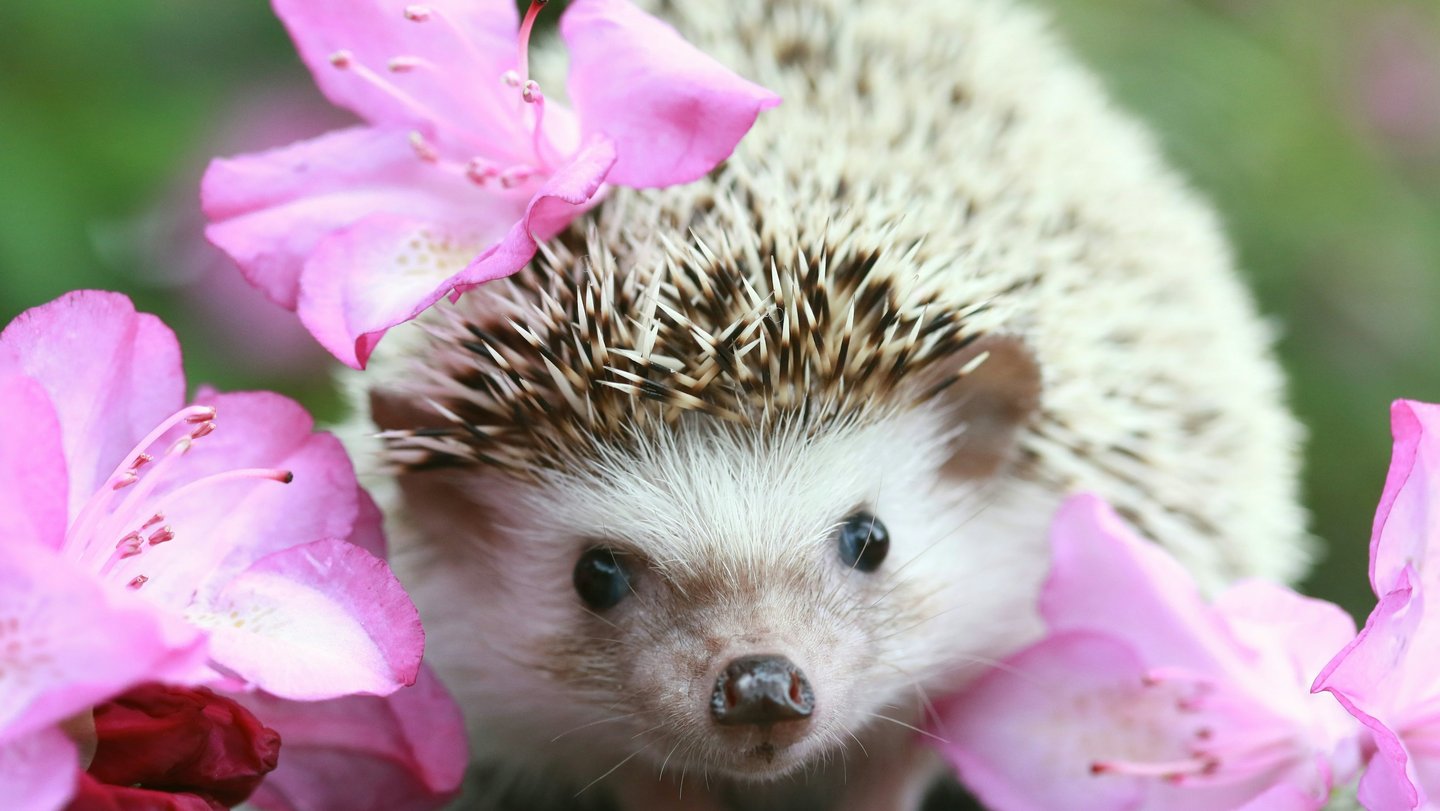
Pinned and Flat (The Protective/Appeasement Shift): When an animal pulls their ears tightly back against their skull, they are physically protecting delicate cartilage from teeth or claws—which is why "airplane ears" in cats are a classic precursor to a strike or a sign of severe overstimulation. But this shape is not exclusively tied to aggression. In dogs, heavily flattened ears combined with a lowered head and soft eyes indicate intense appeasement; they are making themselves look as small and non-threatening as possible to request gentle affection. For small mammals like ferrets or rats, pinning the ears is often purely practical—they are making themselves aerodynamic to run at top speed or streamlining their heads to squeeze through a tight tunnel. Hedgehogs take this physical defense a step further: when unsure, they engage a powerful muscle that pulls their forehead skin down into a "visor," completely protecting their ears and face behind a wall of quills.
Swiveled Forward (The Acoustic Funnel): Ears pitched rigidly forward mean the animal is actively funneling sound waves directly into their ear canal for maximum acoustic processing. It indicates high alertness and processing, stemming from a wide spectrum of emotions. A cat hunting a bug, a dog anticipating the clink of a leash, or a chinchilla trying to identify a strange noise in the hallway will all pitch their ears sharply forward. It simply means: "I am gathering data and deciding what to do next."
The Radar Swivel (Independent Tracking): Ambush predators (like cats) and prey animals (like chinchillas and degus) have the incredible biological ability to pivot their ears independently, often up to 180 degrees. If you see your companion resting with their eyes closed but one ear swiveled backward, they are in "standby mode." They are physically relaxed, but their survival instincts are casually monitoring their blind spots for changes in the room's energy.
The Neutral Base (The True Baseline): When an animal is truly secure, their ears will sit in their natural, resting position. Because anatomy varies wildly—from the heavy, floppy ears of a Great Dane to the stiff, upright ears of a Terrier—you must look at the base of the ear rather than the flap itself. A secure animal will have zero muscular tension at the base of the ear or across their forehead, signaling they feel entirely at peace and do not feel the need to monitor the environment.
The "Earless" Head Tilt (Birds and Reptiles): Birds and reptiles do not have external ear flaps; their ears are simply small openings on the sides of their heads (often hidden by feathers or scales). Because they cannot swivel an ear flap to catch a sound, they have to swivel their entire head. If a parrot or a bearded dragon suddenly freezes and tilts their head sideways so one eye and the side of their head is pointed directly at the ceiling or the floor, they are intensely focusing their auditory canal on a specific, strange noise.
The Coat, Quills, Scales & Posture
The Illusion of Size
An animal’s exterior is heavily governed by their autonomic nervous system. When adrenaline floods the bloodstream—whether from fear, extreme excitement, or predatory drive—the body automatically alters its physical silhouette.
Piloerection (The Adrenaline Response): In mammals like dogs, cats, and ferrets, tiny muscles attached to individual hair follicles (the arrector pili muscles) contract involuntarily, causing the hair to stand straight up. This is known as piloerection (the animal equivalent of human goosebumps). While raising hair along the spine is a biological mechanism designed to make the animal look larger to a potential threat, it is actually just a pure indicator of extreme emotional arousal. A dog might raise their hackles out of sheer, overwhelming excitement during a rough play session. Similarly, a ferret will instantly "bottlebrush" its tail into a giant puffball simply because it is thrilled by a fascinating new smell, and a cat’s tail might puff up during an intense, predatory game with a wand toy.
Armoring Up (Quills and Scales): Prey and exotic animals have incredible structural defenses. Hedgehogs possess a massive, continuous muscle along their back (the orbicularis muscle) that acts like a thick drawstring. When they feel threatened, they engage this muscle to pull their body into a tight ball, causing their quills to cross rigidly over one another to form an impenetrable shield. However, a slight tensing of their forehead quills might just be a brief startle reflex to a passing shadow before they quickly relax. Reptiles also drastically alter their physical shape. A bearded dragon expands the hyoid bone in its throat to flare its "beard" when feeling territorial. But because reptiles rely on their environment for body heat, they also use posture for thermoregulation—a dragon or snake will often flatten its entire body like a pancake against a warm rock (or your arm) to maximize surface area and absorb heat.
Feather Posturing (Ptiloerection and The Shake-Out): Birds use their feathers to regulate temperature, communicate, and change their aerodynamic profile. A bird tightly slicking its feathers flat against its body is often terrified, trying to make itself as thin and unnoticeable as possible. Conversely, flaring the wings slightly away from the body and puffing the head and neck feathers alters their silhouette to look massive and imposing—a clear "back off" signal. But context is everything: a bird resting on one leg with softly puffed feathers is simply trapping a layer of warm air against its skin for a comfortable nap. Most fascinating is the "shake-out"—when a bird puffs up its entire body and gives a vigorous, rustling shake. This isn't just grooming; it is a neurological reset, a physical way to shed adrenaline and shake off the tension after a stressful moment or a highly focused interaction.
The Tail The Pendulum of Emotion
The greatest myth in pet care is that a wagging tail always equals a happy animal. In mammals and reptiles, the tail is literally an extension of the spine and the central nervous system. In birds, it is a highly complex steering mechanism. Across all species, the tail serves as a biological barometer of energy, physical tension, and focus.
Canine Dynamics (The Tension of the Wag): To understand a dog's tail, you have to look at the tension at the base of the spine, not just the movement at the tip. A loose, sweeping, or "helicopter" wag that involves the dog's entire rear end means the spine is completely relaxed; this is true, friendly joy. However, a tail held rigidly high and vibrating rapidly at the tip indicates severe spinal tension. The dog is highly aroused, uncertain, or hyper-focused on a task. A tail tucked tightly against the belly is a physical defense mechanism, protecting vulnerable organs while signaling intense fear or appeasement.
Feline & Small Mammal Lashing (Kinetic Energy): For ambush predators like cats, the tail is a vital counterbalance for jumping and climbing. When a cat is locked onto prey (or a favorite wand toy), their body goes entirely still to avoid detection, but the excess adrenaline and kinetic energy have to go somewhere—so it bleeds out through the twitching tip of their tail. However, a full, rhythmic lashing of the entire tail indicates peaking emotional irritation or conflict. Interestingly, rats use their tails for balance and thermoregulation (releasing body heat), but a rat that is deeply agitated or preparing to fight will actually swish and whip their tail back and forth exactly like an angry cat.
Reptilian Mechanics (Balance and Defense): A reptile's tail is a multi-purpose tool used for storing fat, navigating complex climbing environments, and physical defense. An iguana slowly swishing its tail might simply be making a natural biological adjustment to maintain its center of gravity as it moves along your arm or a branch. However, if a lizard tightly coils its tail or raises it rigidly while facing a perceived threat, it is loading the muscles to use the tail as a defensive whip.
Avian Flaring (The Pygostyle Display): A bird's tail feathers (the rectrices) are controlled by a complex muscular structure at the base of their spine called the pygostyle. Birds use these muscles to constantly adjust their aerodynamic profile. When a bird rapidly fans its tail feathers out like a deck of cards, they are maximizing their visual footprint. This sudden, dramatic change in their silhouette can be a territorial display meant to back you away from their cage, but it is just as often an expression of pure, overwhelming excitement or joy when you walk into the room with a favorite puzzle toy.

The Mouth, Throat & Whiskers
The Indicators of Tension and Ease
An animal's facial muscles, jaw tension, and throat movements give away incredibly specific micro-signals long before the rest of their body reacts. Because the face is where they process scent, taste, and vocalization, it is highly active.
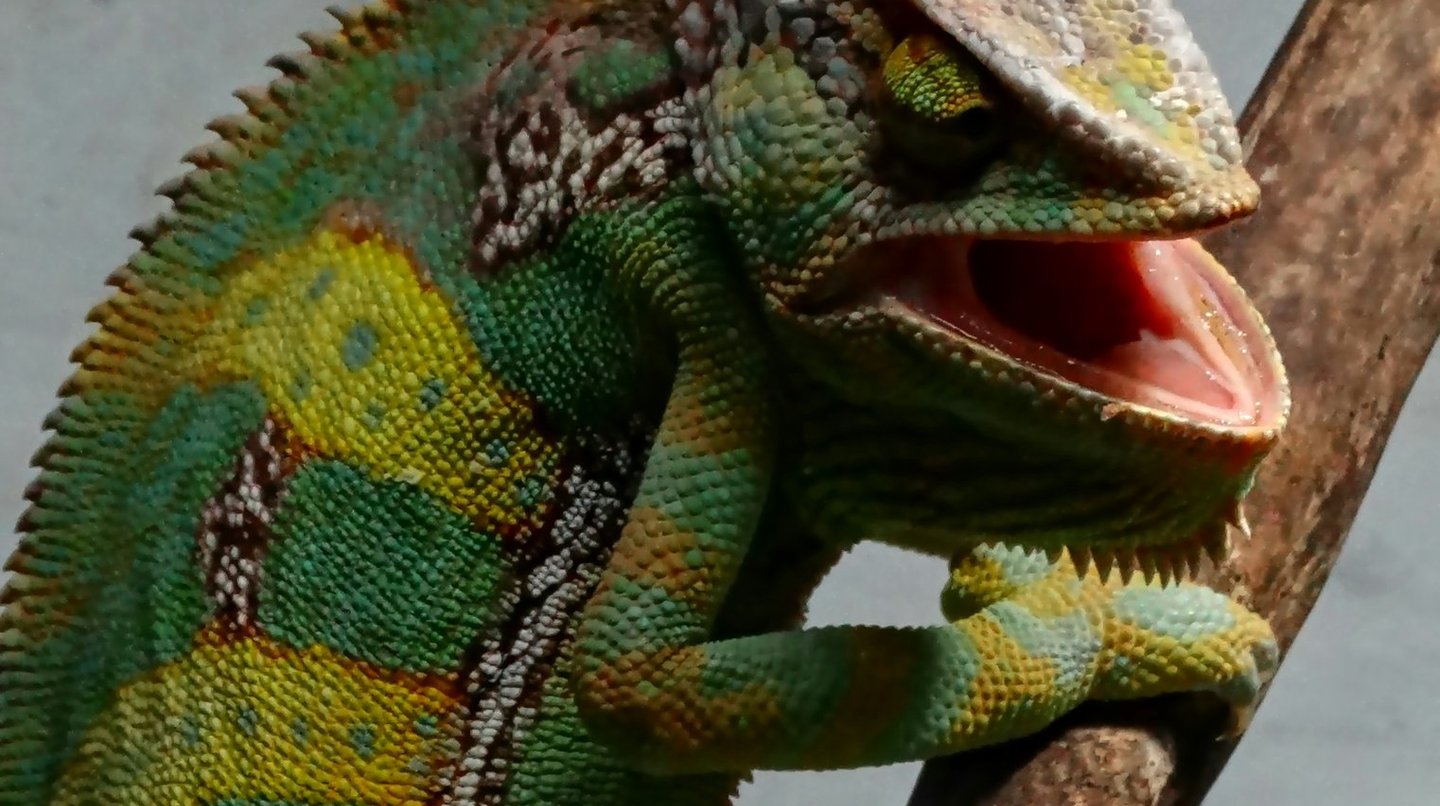
The Reptile Gape and Throat Flare: For reptiles, the mouth and throat are massive communication and survival tools. If a bearded dragon or gecko sits with its mouth wide open (gaping) under a heat lamp, they aren't angry—they are thermoregulating, releasing excess heat much like a panting dog. However, if they gape their mouth open away from the heat and pair it with a puffed-out, darkened throat (a black beard) or a sharp hiss, it is a definitive defensive threat display. Conversely, a snake or lizard rapidly flicking its tongue is actively gathering data—a fast, deliberate flick rate means they are highly engaged and exploring safely, while slow, hesitant flicks can indicate uncertainty.
The Avian Beak and Crop: A bird’s beak is practically their third hand. If a parrot gently wraps its beak around your finger, they are "beaking" to test stability, not biting. But the mouth and throat also show stress. If you see your bird repeatedly "yawning" or stretching their neck upwards, they usually aren't tired—they are just clearing their crop (their throat pouch) to settle their food. However, if a bird is sitting with its beak continuously open and panting, it is a sign of extreme heat exhaustion or severe, acute stress, and they need immediate intervention. Beak wiping on a perch is normally just cleaning, but rapid, frantic wiping is a nervous "displacement" behavior when they feel pressured.
The Mammal Yawn and Lip-Lick (Dogs, Cats, Ferrets): We usually assume a yawn means an animal is tired, and lip-licking means they are hungry. While a big stretch and a yawn after a nap is just a comfortable wake-up, in dogs and cats, rapid lip-licking, sudden yawning, or sniffing the ground in the middle of an interaction are classic "calming signals." It is their way of saying, "I'm feeling a little anxious, let's take a break."
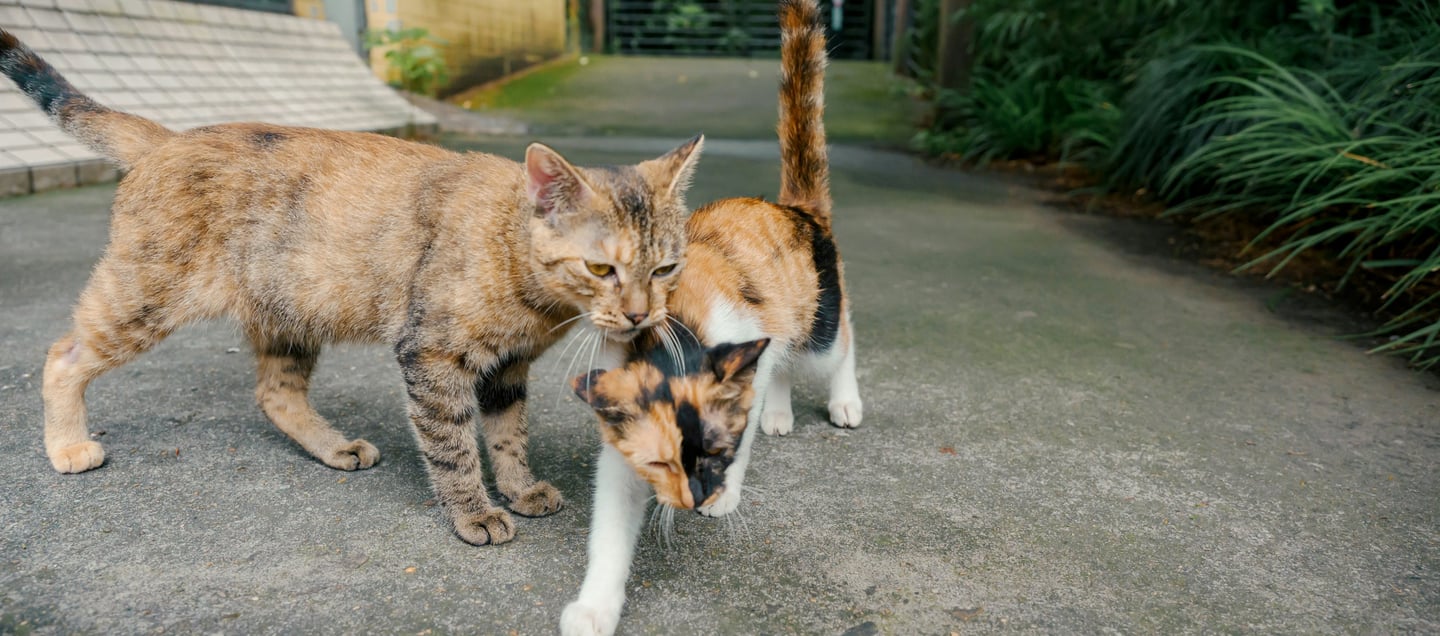
The Tension of the "Smile": Heavy panting when an animal hasn't been exercising is a massive indicator of stress. Look at the corners of the mouth (the commissures). If a dog's mouth is open, the tongue is lolling loosely, and the corners are relaxed, you have a contented "smile." If the mouth is closed tight, or the corners are pulled sharply back so the mouth looks long and tight, they are bracing for conflict or deeply stressed.
Small Mammal Whiskers and Teeth (Chinchillas, Rats, Hedgehogs): For small prey animals, whiskers are highly sensitive environmental radar. When they are calm, their whiskers casually droop. If the whiskers are fanned wide and pointed sharply forward, their radar is fully deployed—they are intensely curious or engaged. If the whiskers are pinned flat against their cheeks, they are terrified and trying to make themselves small. Furthermore, while rats brux (grind their teeth) in joy, chinchillas and hedgehogs will sharply chatter their teeth as a definitive warning to back away.
The Noises The Soundtrack of State
Vocalizations are the final exclamation point on the body’s sentence, but they are rarely one-dimensional. The pitch, speed, and cadence of a sound tell you exactly what is driving the emotion.
The Canine Cadence (Dogs): A bark is not just a bark; it is a complex language. A high-pitched, rapid-fire bark usually indicates excitement, play, or frantic arousal. A slow, deep, spaced-out "boof" is an alert—they are notifying you of something suspicious but haven't decided if it is a threat yet. Whining can mean anxiety, but it is just as often a sign of intense appeasement or frustration that they cannot reach a toy. And the growl? A low, sustained, vibrating growl is a serious boundary line, but a bouncy, choppy, sneezy growl is the universal sound of healthy, vigorous play.
The Feline Spectrum (Cats): Cats actually developed the "meow" specifically to communicate with humans—they rarely use it with other cats. A short, high-pitched chirp or trill is a friendly greeting. A long, drawn-out yowl is often a sign of distress, disorientation, or a demand for resources. However, there is a very specific exception: the muffled "toy scream." Many cats will pace around with a toy or "prey" in their mouths, letting out loud, repetitive, muffled yowls that can go on for a remarkably long time. This isn't distress; it is a proud, instinctual announcement of a successful hunt. Finally, the purr is notoriously misunderstood; while it is the ultimate sound of relaxation and contentment, cats will also purr aggressively when they are in severe pain or highly stressed, using the vibration to self-soothe.
Avian Acoustics (Birds): Birds are the masters of the vocal flock. A loud, sharp "contact call" from the other room isn't necessarily a demand; it is a biological check-in ("Are you there? Am I safe?"). Screaming, however, can be a sign of extreme boredom, hormonal frustration, or a learned behavior if they realize making a racket gets you to run into the room. On the quieter side, soft beak-grinding at night means they feel incredibly secure, while sharp, staccato beak-clicks are a clear warning to keep your hands away.
Small Mammal Chatter (Chinchillas, Degus, Rats, Hedgehogs): Prey animals are generally quiet to avoid detection, so when they do make noise, it matters. Chinchillas and degus will let out surprisingly loud, rhythmic alarm barks to warn their "flock" of perceived danger, but they will also softly squeak and chirp during social grooming. Rats are largely silent to our ears, but if you hear a sharp, sudden squeak, someone was pinched or playtime got too rough. Hedgehogs rely on sudden, explosive huffs, pops, and clicks to startle predators—but once they unroll and relax, they will occasionally make soft, pig-like grunts of contentment while exploring.
Mustelid Murmurs (Ferrets): Ferrets have their own unique vocabulary. When they are incredibly happy or engaged in frantic play, they "dook"—a soft, rhythmic clucking sound. If they are annoyed, frustrated, or genuinely frightened, they will let out a sharp hiss.
Reptilian Warnings: Reptiles lack vocal cords, so their sounds are purely mechanical and almost always defensive. A snake or large lizard forcing air rapidly out of its glottis produces a sharp hiss, meaning "I feel cornered, back away." Geckos are the exception—many species can vocalize, producing barks or croaks when startled or defending territory. (Note: If a reptile is making a clicking, popping, or wheezing sound while simply breathing, this is not communication—it is a sign of a respiratory infection and requires a vet).
The Power of Observing Before They Act
Learning the anatomy of communication completely shifts the dynamic of your household. You are no longer waiting for the loud, stressful exclamation point at the end of the sentence. By purely observing the subtle shift in a pupil, the tension at the base of the spine, or the angle of an ear, you are engaging in a continuous, quiet conversation with your companion. You learn to read their physical state, lean into their joy, and respect their boundaries long before anyone feels the need to shout.
This observation is the foundation of the Petz Logic methodology. When you actively observe these biological micro-signals and log them into your tracking system, you transform unpredictable reactions into clear, actionable data. Did your dog's tail stiffen and vibrate at that specific intersection? Did your chinchilla chatter their teeth when a certain loud appliance turned on? Did your bearded dragon flatten out and close their eyes every time they rested on your left arm?
By meticulously observing and tracking these triggers and comforts, you stop guessing and start knowing exactly what your pet needs to feel secure.
Great guardianship isn't about being perfect, and it isn't about never having a startled reaction when things get chaotic. It is about being correct with your information, heavily observing the environment, and understanding the biological reality of the animal in front of you. When you take the time to observe and learn their unique physical language, you remove the pressure, fear, and confusion from your daily interactions. You become a trusted, predictable center of safety for them—allowing both of you to finally relax and truly enjoy the incredible bond you are building.
The Petz Logic System
Download the Free P.L.A.Y. Scorecards & More. Shop Digital Trackers & Premium E-Books & Systems by Petz Logic



© 2026 Petz Logic. All Rights Reserved. Empowering you with knowledge, not prescriptions. This content is for educational use and does not replace your vet. As an affiliate, we may earn a commission from qualifying purchases at no extra cost to you.
Petz Logic™ and the Petz Logic logo are trademarks used by PetzLogic.com.
Contact me & tell me your story


Don’t miss out Join the Pack
We are constantly adding new logic and tools to the hub. Enter your email to be notified when we release new guides or major updates. No spam, just logic.
petzaremylife@petzlogic.com
A Personal Note
I’m building this ecosystem by hand, piece by piece. Since it’s just me behind the blueprints, I’m always open to hearing your concerns and evolving this design with your feedback. As we grow, I’m planning to add a dedicated Q&A section to help tackle the specific logic of our pets' lives.
All I ask is that you bring those words with kindness. Let’s keep this community as respectful as the animals we love.
Thank you so much 😊
Mo