

The Adrenaline Drop
(The Safety Crash)
You have prepared the habitat, managed the resident animals, and finally brought the new arrival home. For the first few hours, they might be frantically pacing, sniffing every corner, or vibrating with nervous energy. And then, suddenly, they completely power down.
A new rescue dog drops onto a rug and sleeps so deeply they barely twitch. A new cat vanishes under the guest bed and refuses to come out for a day and a half. A new ferret burrows into the absolute bottom of their hammocks and doesn't emerge for meals.
Human instinct immediately hits the panic button. Are they sick? Did I do something wrong? Are they traumatized?
At Petz Logic, we stop the panic by applying the biology. What you are witnessing is not illness, and it is not necessarily fear. You are witnessing the Adrenaline Drop. Survival takes a massive amount of physical and mental energy. When an animal finally realizes they are safe, the neurochemicals holding them up evaporate, and their system initiates a hard reboot. We call this the Safety Crash.
The Core Logic: The Biology of Transition
To understand the crash, you have to look at the transition through the animal’s evolutionary lens. Whether they came from a shelter, a breeder, or a chaotic transport environment, their brain has been flooded with cortisol and adrenaline. They have been running in a state of sustained "fight or flight" just to process the unpredictable changes around them.
Adrenaline is a temporary, high-octane survival fuel. It forces the heart rate up, locks down the digestive tract, and keeps the brain hyper-vigilant. But a biological system cannot sustain that level of output forever.
When you bring them into a quiet, structured environment and show them that they do not have to fight for resources, their brain finally registers safety. The moment that realization hits, the survival chemicals drop out of their bloodstream. The sudden absence of adrenaline causes an immediate, profound physical exhaustion. This deep sleep, lethargy, or intense hiding in the first 24 to 48 hours is not a medical emergency—it is the biological reset button being pressed.
The Multi-Species Spectrum of the Crash
Because every species uses a different survival strategy, and because individual behavior is always a gamble, we can never say anything is for certain. The Adrenaline Drop can manifest in completely different ways depending on the specific age, history, and biology of the animal you just brought home.
Canines:
The Dead-Battery Effect
Adult Rescues: An adult dog coming out of a high-stress shelter environment may not have experienced restorative REM sleep in weeks. When they crash, it can be incredibly heavy. They might retreat to a crate or a dark corner and sleep for 14 to 18 hours straight, barely lifting their head when you walk by.
Puppies: A puppy’s crash is often highly erratic. Because they lack developed impulse control, a puppy might run on raw nervous energy until their battery literally dies mid-stride. They can drop into a profound sleep right in the middle of the floor. It is important not to mistake a sleeping puppy for a fully "settled" puppy—they might just be rebooting.


Felines:
The Vanishing Act & Metabolic Pause
Adult Cats: Cats operate as both predators and prey, meaning their survival instinct dictates that they should avoid being vulnerable while sleeping in an unfamiliar territory. An adult cat’s Adrenaline Drop frequently results in the "Vanishing Act." They may seek out the highest, darkest, or most inaccessible spot they can find and stay there in complete silence. This crash can also trigger a temporary metabolic pause, where the cat might refuse food or water for the first 24 hours while their system resets.
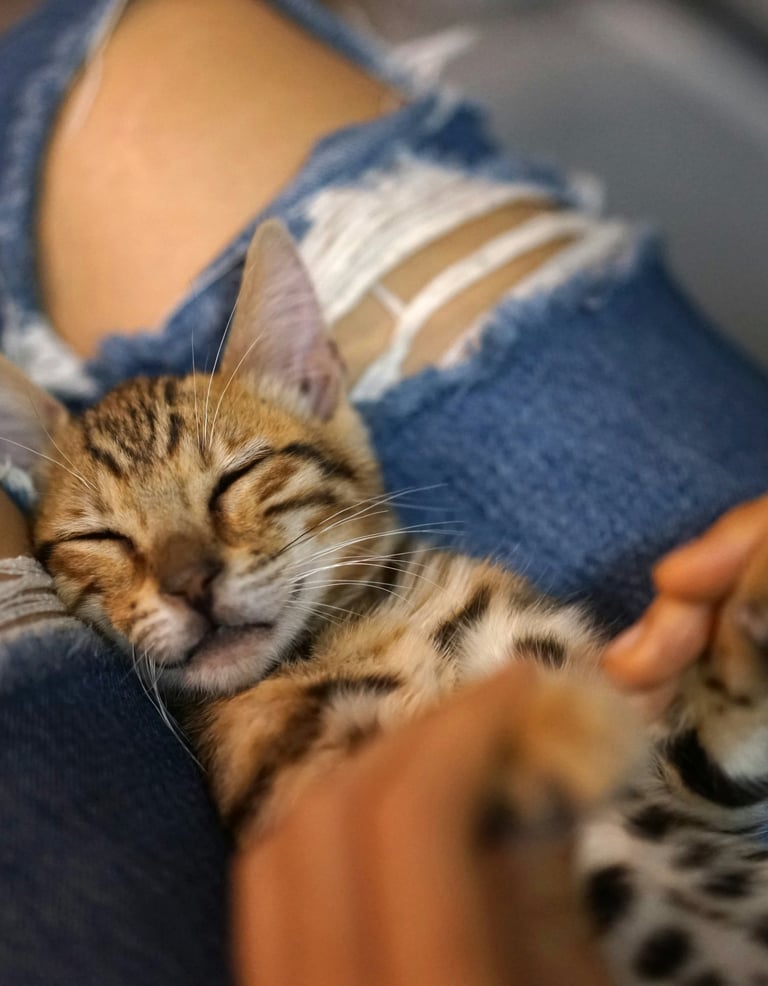
Kittens: A kitten’s crash can echo a puppy's dead-battery effect but through a feline lens. Exploring and playing frantically on raw adrenaline is common for them. When the drop happens, it can be instantaneous. They might skip the long, deeply suspicious metabolic pause often seen in adults, choosing instead to simply collapse into a deep sleep right where they stand or bury themselves completely inside a soft blanket.

Avians:
The Statue Phase
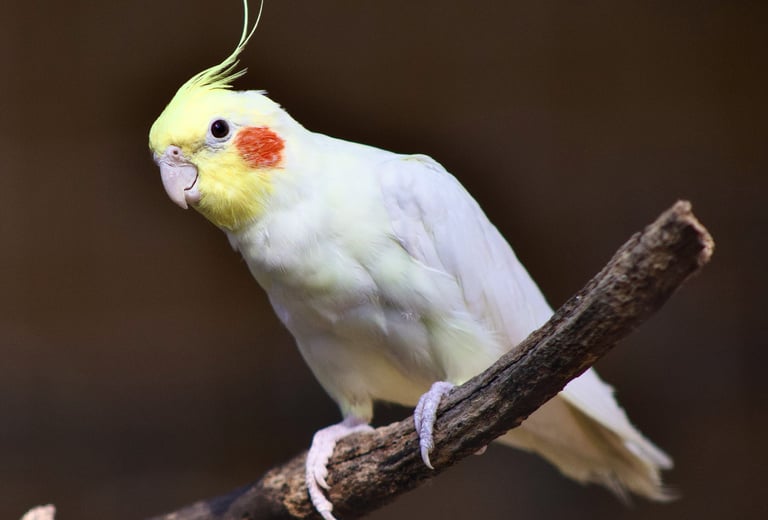
Birds are hyper-aware of their visual profile in a new space. When a new bird enters a strange quarantine room, their version of the crash might look like the "Statue Phase." To avoid drawing the attention of perceived threats, they may select a single, secure perch, slightly fluff their feathers to conserve heat, and remain completely silent and motionless. This temporary lack of vocalization and movement is a common way for their brain to safely process the new acoustics of the house.

Ferrets:
The Deep Blanket Burrow
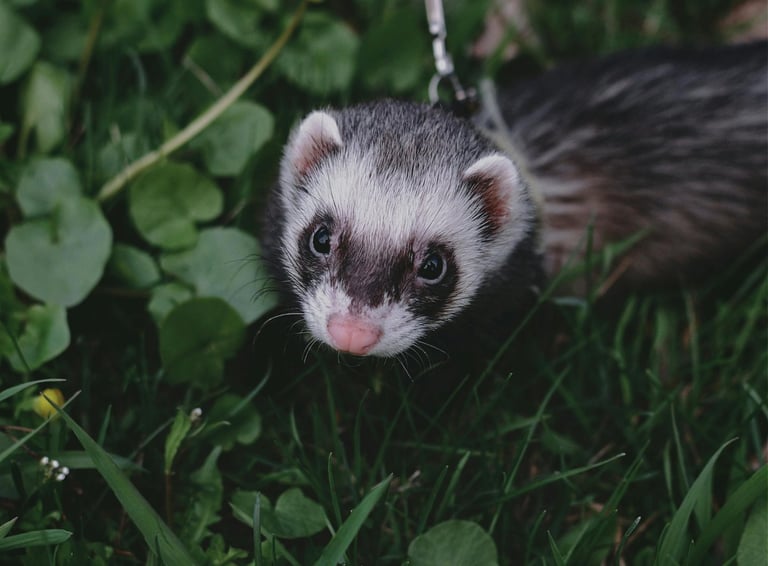
When the adrenaline of transport wears off for a new ferret, their natural instinct is often to put as much physical matter between themselves and the outside world as possible. Once their system registers that the transition is over, they can crash heavily, frequently burrowing to the absolute bottom of their hammocks or sleep sacks. They may sleep so deeply that they skip an initial mealtime entirely, needing to sleep off the cortisol spike before their high metabolic drive kicks back in.
Sugar Gliders:
The Pouch Retreat
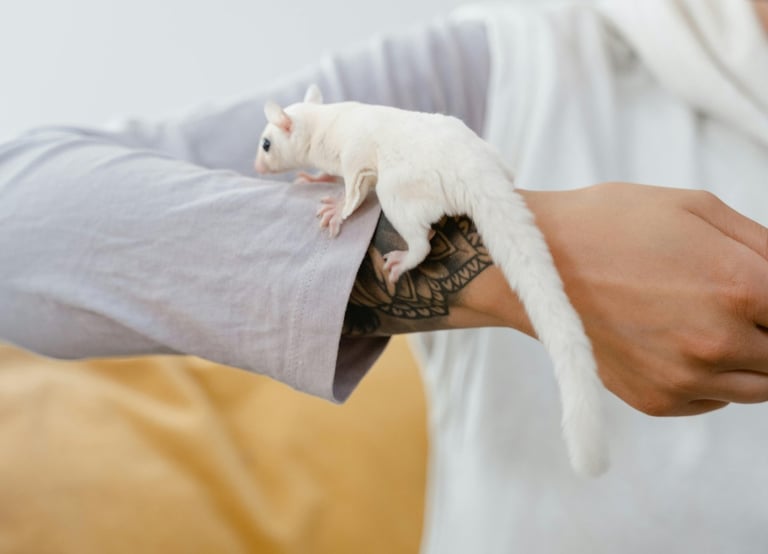
For a nocturnal, arboreal newcomer like a sugar glider, the drop in adrenaline typically drives them straight to the absolute depths of their nesting pouch. They may ball up tightly with their colony mates or nesting material and refuse to emerge. Because their system is trying to decompress from the stress of travel, they can be highly sensitive to any sudden daytime household sounds during this initial crash phase, making ambient quiet essential to their biological reset.
Rabbits & Chinchillas:
The GI-Sensitive Retreat
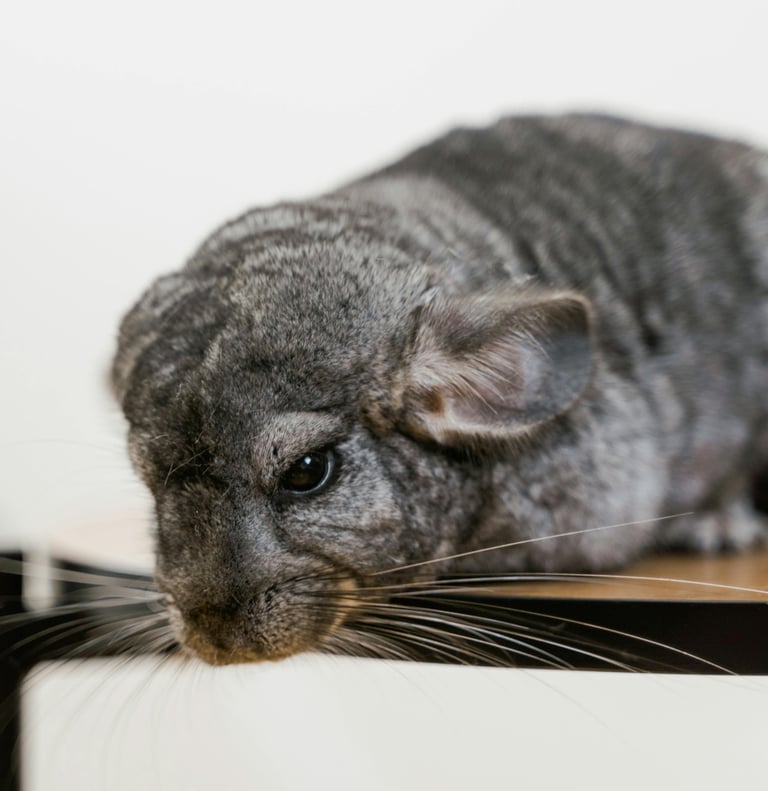
Rabbits and chinchillas are exceptionally sensitive prey mammals whose nervous systems are tightly linked to their complex digestive tracts. When the adrenaline of a move wears off, their version of a safety crash might drive them into the deepest, darkest corner of their nest box or hide. A rabbit might "loaf" (tucking their paws tightly under their body) and remain perfectly motionless, while a chinchilla might sleep so profoundly it can startle an uninitiated Guardian. Because their gut motility is so sensitive to stress, this crash phase can sometimes cause a temporary, highly concerning pause in their eating and droppings. They often need absolute quiet and zero handling to let their digestive system safely come back online.
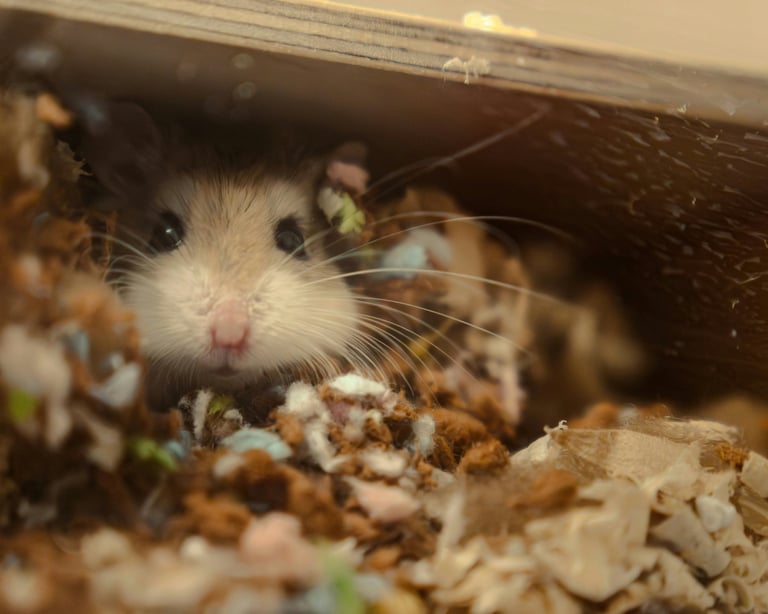
Other Prey Mammals (Rats, Guinea Pigs, Hedgehogs, & Mice):
The Sensory Freeze
For new small mammals, the Adrenaline Drop often looks like an extended hiding phase. As the survival chemicals leave their system, they may retreat deep into their nest boxes or substrate. A new hedgehog might stay balled up in a prolonged freeze-response, while a new rat or guinea pig might refuse to leave their hide even for high-value treats. They are often utilizing this quiet downtime to let their highly sensitive olfactory systems safely process the new ambient scent baseline of the room.
Reptiles & Amphibians:
The Thermal Shut-Down
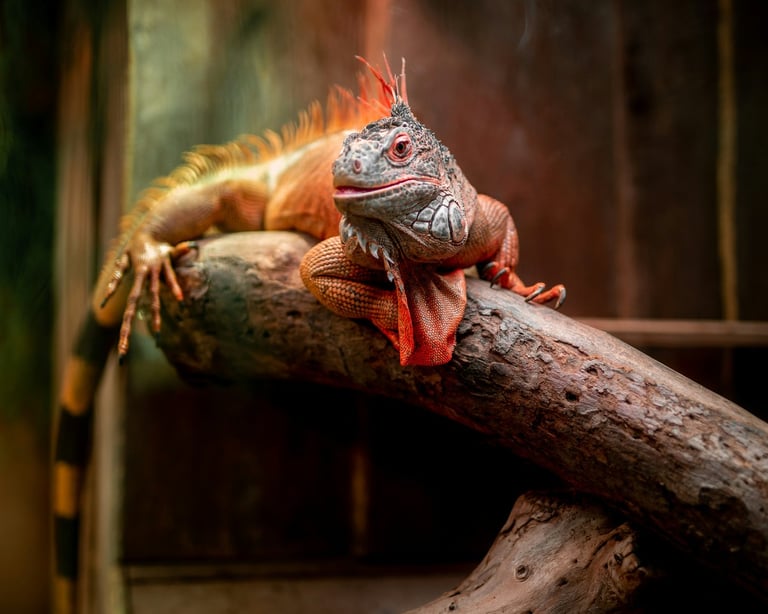
Reptiles and amphibians do not experience sleep the way mammals do, but transition stress absolutely impacts their physiology. When the adrenaline of shipping or travel drops, a new snake, lizard, or frog may retreat directly to the tightest, darkest hide available—often choosing the cool side of the enclosure to deliberately slow their system down. They may pause all visible activity and frequently refuse food during this initial 24 to 48-hour window while their digestive and immune systems stabilize.

The Guardian Protocol: Managing the Safety Crash
One of the most disruptive things a Guardian can do during the Adrenaline Drop is force an interaction. Pulling a hiding cat out from under a bed to force a cuddle, waking a sleeping rescue dog to show them off, or digging a crashing rabbit out of their hide box can interrupt the biological reset and spike their adrenaline right back into a state of panic.
To properly support this transition phase, consider these three guardrail guidelines:
The Do Not Disturb Mandate: Let them sleep and let them hide. If an animal chooses to spend their first 36 hours tucked away, your job is often just to allow it without taking it personally. You are giving their nervous system the exact grace period it might require to recover.
Strategic Proximity of Resources: Because survival instincts can tell a crashing animal not to move, you can bring the resources to them. Placing fresh water and a small, species-appropriate food source immediately next to their chosen hiding spot can remove the need for them to cross a scary, open room, which can accelerate their feeling of security.
Passive Presence: Avoid staring at them, constantly coaxing them, or using high-pitched baby talk while they are crashing or hiding. Instead, try simply existing in the room. Sit nearby, read a book, work on a laptop, or spend time on your phone. Letting them observe your calm, predictable, and entirely boring energy from the safety of their hide is an excellent way to begin building trust.


Knowing When to Act: Your Tracking Tools
The Safety Crash is a normal biological response to safety, but because behavior is a gamble, you must monitor the metrics to ensure a normal reset isn’t masking a medical issue.
90 Days of Logic Manual: Use the 11 structured logs within this interactive tracking resource to shift from guessing to knowing. Log exactly when the crash started, tracking water consumption and bathroom habits so you have cold, hard data if a medical concern arises.
The Petz Logic Dog and Cat Clinical Compendium: For your canine and feline family members, cross-reference your tracking observations with our free-to-access 190-page digital clinical guide. Built to remove the guesswork, it serves as your definitive information hub for understanding internal systems, anatomy, illnesses, and warning signs. It empowers you to understand what's going on, identify the subtle red flags that indicate a need for professional medical attention, and act appropriately with the data needed to collaborate effectively with your veterinarian.
When you understand the logic behind the Adrenaline Drop, you can stop worrying and start supporting. An animal crashing in your home isn't a failure; it can be the ultimate compliment. It often means that, for the first time in days, weeks, or perhaps their entire lives, their nervous system finally feels safe enough to close its eyes and let its guard down.
The Petz Logic System
Download the Free P.L.A.Y. Scorecards & More
Shop Digital Trackers & Premium E-Books & Systems by Petz Logic




© 2026 Petz Logic. All Rights Reserved. Empowering you with knowledge, not prescriptions. This content is for educational use and does not replace your vet. As an affiliate, we may earn a commission from qualifying purchases at no extra cost to you.
Petz Logic™ and the Petz Logic logo are trademarks used by PetzLogic.com.
Contact me & tell me your story


Don’t miss out Join the Pack
We are constantly adding new logic and tools to the hub. Enter your email to be notified when we release new guides or major updates. No spam, just logic.
petzaremylife@petzlogic.com


A Personal Note
I’m building this ecosystem by hand, piece by piece. Since it’s just me behind the blueprints, I’m always open to hearing your concerns and evolving this design with your feedback. As we grow, I’m planning to add a dedicated Q&A section to help tackle the specific logic of our pets' lives.
All I ask is that you bring those words with kindness. Let’s keep this community as respectful as the animals we love.
Thank you so much 😊
Mo