Universal Stages of the Hunt
The Sequence Breakdown
Identifying Your Pet’s Biological Blueprint
The Mechanics of the Chain: A 5-Stage Process
To truly understand the "Logic" of your pet, you must look at the primary stages of the predatory sequence. While every species has its own specialty, the biological "loop" almost always follows this universal flow:
Orient and Search: This is the initial "ping" on the radar. It is the moment your pet uses their senses—scent, sight, or sound—to locate a "target." In a home environment, this might be a dog sniffing for a hidden treat, a cat hearing the crinkle of a toy, or a reptile detecting the slight vibration of prey moving in its habitat.
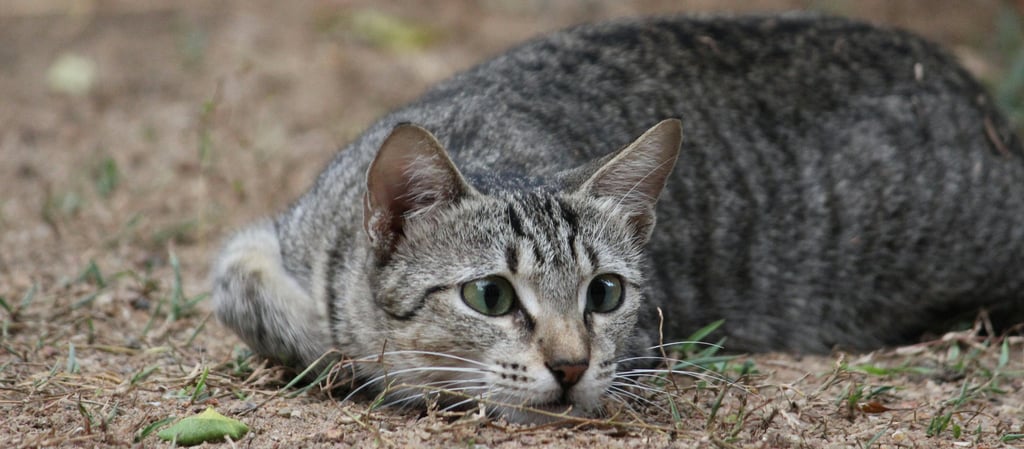
Stalk and Freeze: This is the high-tension approach. It is perhaps the most fascinating stage to observe, as it requires immense mental focus. You will see your pet go perfectly still, lower their center of gravity, and lock their gaze onto an object. This stage is about minimizing distance while remaining undetected, and it is the hallmark of many reptiles and felines.
The Chase: This is the explosive pursuit—the high-speed movement and physical output we most often associate with "play." This stage is fueled by adrenaline and is the point where the animal commits fully to the goal.
The Grab and Bite: This is the moment of physical contact. For many pets, the entire point of the sequence is finally getting their mouth, paws, or tongue on the prize. This is the "capture" that validates the effort of the search and the chase.
The Kill and Consume: This is the final completion of the sequence. Neurologically, this triggers a biological "off-switch" in the brain. It signals that the job is done, the energy has been spent, and it is finally time to enter a state of deep rest.
The Specialist Profiles: Where Does Your Pet "Live"?
In the wild, different species are "specialists." While most predators are capable of performing every step of the hunting chain, they are genetically wired to find one specific part of this sequence more rewarding than the others. During play or daily activity, your pet might move through the entire chain—a bird will scan, manipulate, and finally "win"—but they will always have a "biological home" where they feel most satisfied.
By understanding which stage your pet is "living" in, you can tailor their environment and your play style to match their DNA. It isn’t about limiting them to one stage, but about ensuring their favorite stage is the one you emphasize.
The Search Specialist (The "Orient and Search" Master)
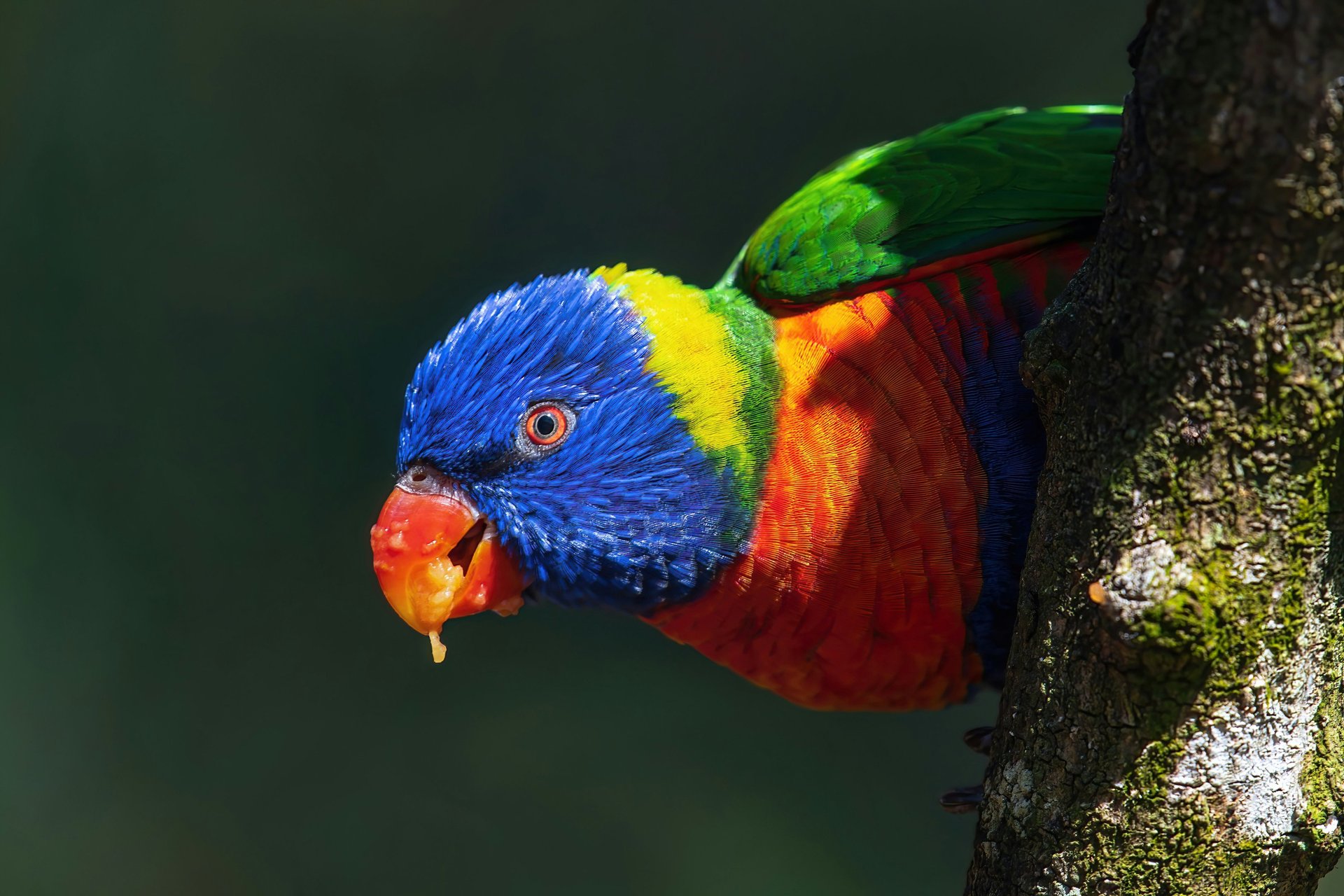
While every pet starts with the search, some—like parrots, budgies, and small insectivorous birds—find the most satisfaction right here. In the wild, these animals spend up to 80% of their day "searching." For them, the hunt is a high-stakes mental puzzle. It’s about the "Aha!" moment when they locate a seed, a nut, or the slight movement of a bug hidden under bark or foliage.
When a bird tracks a small insect or a dog sniffs out a hidden treat, they are satisfying a deep-seated need to map their environment. If these pets are simply handed their food in a clean bowl, they lose the "job" they were born to do. This often leads to boredom-based behaviors. They thrive on foraging toys and environments that require them to use their senses to "earn" their find.
The Ambush Specialist (The "Stalk and Freeze" Master)
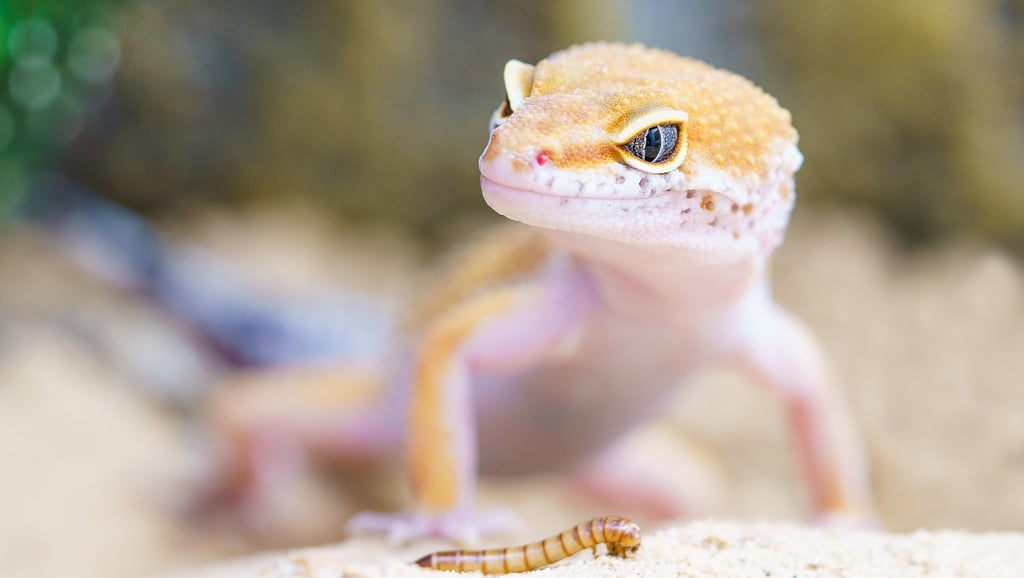
These pets live for the tension of the approach. For them, the anticipation is often more rewarding than the actual catch. A Leopard Gecko might stare at a cricket or Dubai roach for a full minute, adjusting its posture with microscopic precision before moving, just as a cat will crouch low and wait for the perfect moment to pounce on a moth.
If these pets don't have enough cover or "hiding spots" to practice this slow approach, they can become frustrated. They thrive in environments where they can remain invisible, and they need "play" that honors the slow, methodical build-up rather than just a frantic, constant chase.
The Pursuit Specialist (The "Chase" Athlete)
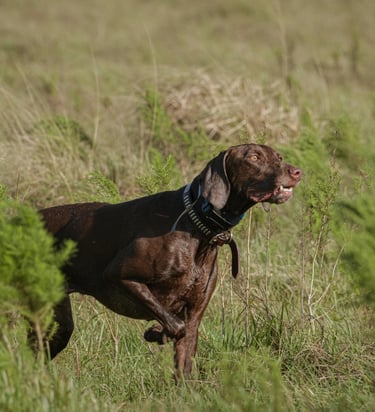
These are the athletes of the predatory world. While they can stalk, they are primarily triggered by rapid movement and will often bypass the "freeze" stage entirely once the chase begins. This is common in many high-energy dog breeds and even certain active lizard species that will sprint across their enclosure the moment they see a fast-moving bug or target move.
For these pets, the reward is in the movement itself. They need space to run and distance to cover. Without a proper outlet for this high-octane pursuit, that energy can bleed into other areas of their life, leading to restlessness or hyper-fixation on things that move in their environment (like moving feet or shadows).
The Finisher (The "Grab and Consume" Focus)
Some pets care less about the search or the long chase and more about the "win" at the end. They are the ones who might briefly chase a toy only to immediately take it to their bed to chew it. In the bird world, this is the parrot that spends hours meticulously "dissecting" a wooden block. The "kill" in this context is the destruction of the object.
These pets require tactile satisfaction to feel "done." If they are constantly chasing things they can never actually "catch" and hold (like a laser pointer), the biological loop never closes. To help them relax, they need activities where the "capture" is challenging and physical—such as food puzzles or "shredding" opportunities that allow them to finally "win."
The Logic of a "Closed Loop"
The goal of identifying these stages isn't just to watch your pet; it is to
ensure their biological loop gets closed. A "tired" pet isn't always one that has run for miles; often, it is a pet that has been allowed to successfully move through their preferred stages of the hunt.
When we honor the sequence—from the slow stalk of a lizard to the high-speed chase of a dog—we stop guessing what they need and start providing the care they were born to receive. This is the foundation of Petz Logic: understanding the "why" so we can better manage the "what."
Every pet in your home—from the cat batting at a feather wand and the dog obsessively fetching a ball to the lizard intensely tracking a cricket across its enclosure—is operating on a biological "hard drive." This drive is programmed with a specific, ancient hunting sequence that has been refined over millions of years. Even though these animals now live within the safety of our homes, that internal wiring doesn't simply vanish. Instead, it looks for a way to express itself through their daily behaviors.
As a pet guardian, the transition from "guessing" to "knowing" begins when you stop looking at these behaviors as random "play" and start seeing them as a sequence. When you identify where your pet’s natural focus lies, you can provide the specific outlets they need to stay balanced, calm, and neurologically satisfied.
The Petz Logic System
Download the Free P.L.A.Y. Scorecards & More
Shop Digital Trackers & Premium E-Books & Systems by Petz Logic
© 2026 Petz Logic. All Rights Reserved. Empowering you with knowledge, not prescriptions. This content is for educational use and does not replace your vet. As an affiliate, we may earn a commission from qualifying purchases at no extra cost to you.
Petz Logic™ and the Petz Logic logo are trademarks used by PetzLogic.com.
Contact me & tell me your story


Don’t miss out Join the Pack
We are constantly adding new logic and tools to the hub. Enter your email to be notified when we release new guides or major updates. No spam, just logic.
petzaremylife@petzlogic.com
A Personal Note
I’m building this ecosystem by hand, piece by piece. Since it’s just me behind the blueprints, I’m always open to hearing your concerns and evolving this design with your feedback. As we grow, I’m planning to add a dedicated Q&A section to help tackle the specific logic of our pets' lives.
All I ask is that you bring those words with kindness. Let’s keep this community as respectful as the animals we love.
Thank you so much 😊
Mo