THE NO TRESPASSING ZONE:
The Sanctuary Protocol
Think about that feeling when you have finally retreated to your bedroom, closed the door, and settled into a moment of pure quiet. Then, someone walks in without knocking to ask a question or move something on your nightstand. Even if they are being perfectly nice, the fact that your door wasn't respected means you can no longer truly relax. Your brain stays in a state of low-level expectation, waiting for the next time the door might swing open. Through our framework, we observe that many animals live in a state of perpetual interruption stress because they have no place where their personal space is truly guaranteed.
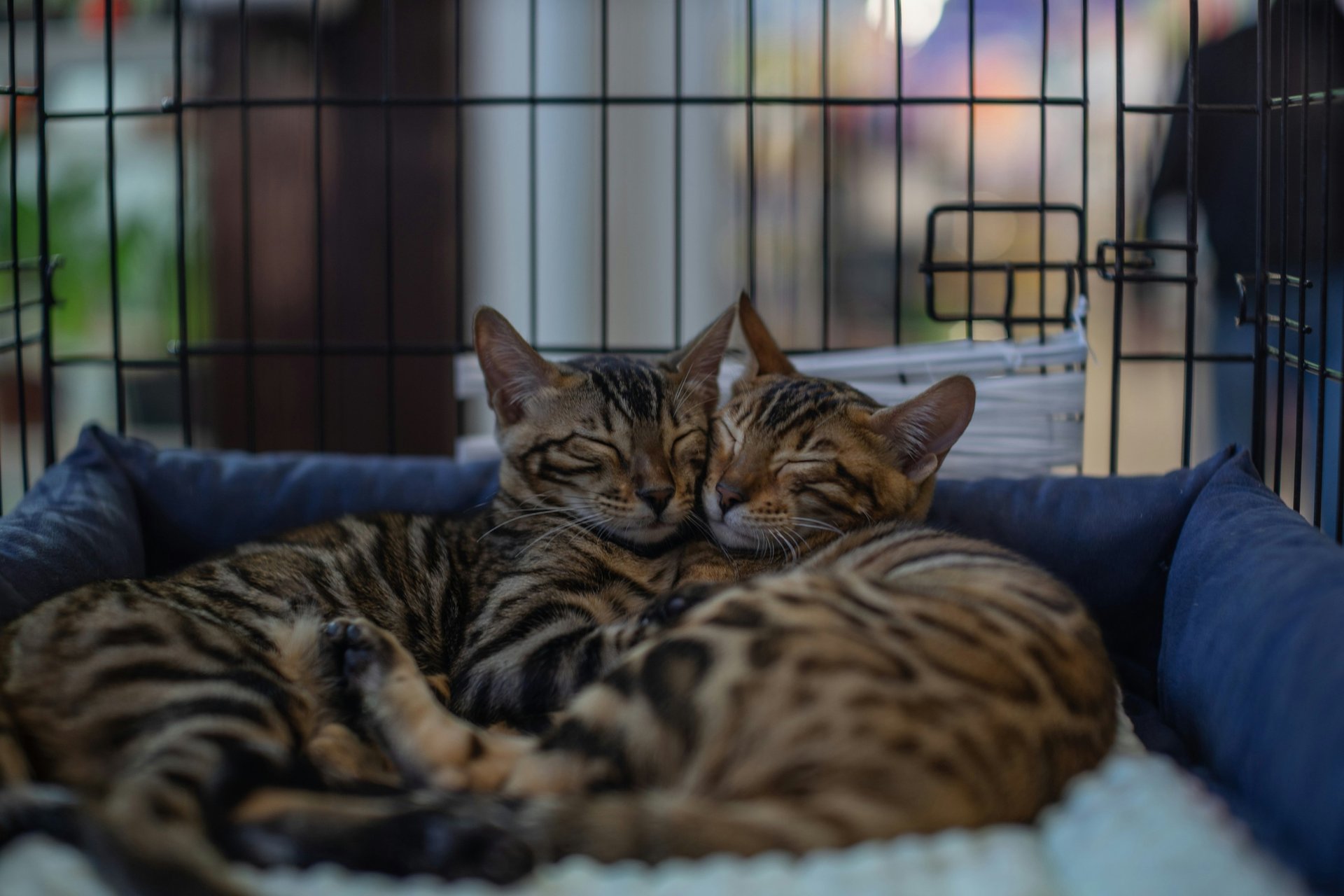
To Stop Guessing why an animal may seem defensive or jumpy in their favorite resting spot, we look at the Sanctuary Protocol. This isn't about the physical construction of the den; it is about the social contract you sign with your pet. By designating one specific spot as a No Trespassing zone, you provide a reliable safe harbor where they may retreat to decompress, knowing their right to be left alone is protected by the Lead of the household.
The Psychology of Social Autonomy
In the Petz Logic system, we recognize that social interaction is a form of work for many animals. To stay balanced, they may need a place where they are officially off-duty.
The Interruption Load: If an animal feels they may be touched, moved, or spoken to at any moment, their nervous system may never fully exit a state of vigilance. True recovery may only happen when the brain feels it is no longer being monitored.
The Defense Escalation: When an animal’s space is consistently invaded, they may feel forced to use louder forms of communication. A growl, a hiss, or a snap may simply be the animal’s attempt to enforce a boundary that the humans have failed to recognize.
The Lead’s Protection: By enforcing this rule, you take the burden of home security off the animal. When you protect the zone, they may no longer feel the need to defend it themselves, which may lead to a much calmer household overall.
The Protocol: Establishing the Social Border
Following the core logic of our methodology, the Sanctuary Rule is a household law. It is designed to change human behavior so the animal’s psychology may finally settle.
The Sovereign Spot: Identify one specific location—a bed, a mat, or a shelf. This is the animal's private territory. In this space, the animal's need for solitude is absolute.
The Invisible Interaction: If the animal is in the zone, they may as well be in another room. This means no petting, no talking to them, and no allowing guests to approach. You may even look away to signal to the animal that they are truly unobserved and safe.
The Call-Out Strategy: If you need the animal for a walk, a meal, or a health check, you do not reach into the zone. Instead, you may stand a few feet away and call them into a neutral area. This gives the animal the choice to transition out of their resting state on their own terms.
Species Applications: Universal Privacy
The need for a private "No Trespassing" zone is universal, but the way we implement it may vary based on the animal’s specific lifestyle.
Dogs: A specific bed in a corner may serve as a dog’s "recharge station." In a house with children or frequent visitors, this boundary may be the most important tool you have to prevent overstimulation and irritability.
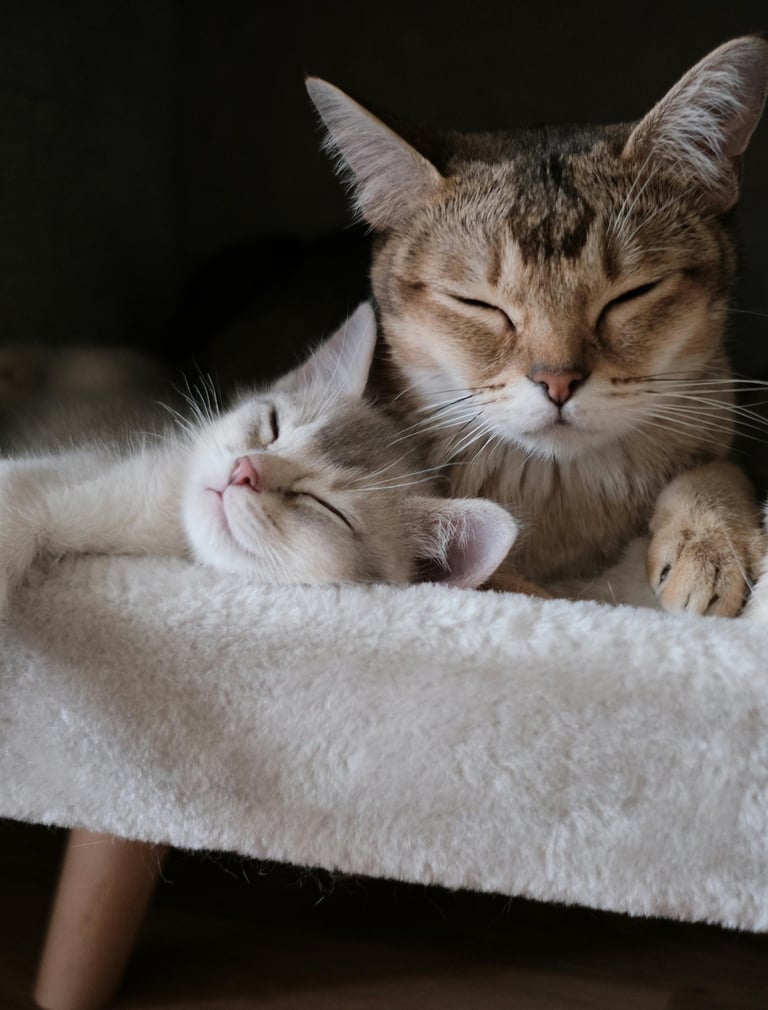
Cats: For a cat, the Sanctuary Zone may be an elevated perch. If that perch is treated as a No Trespassing area, the cat may feel more confident spending time in the social areas of the house because they know they have a guaranteed exit from social pressure.
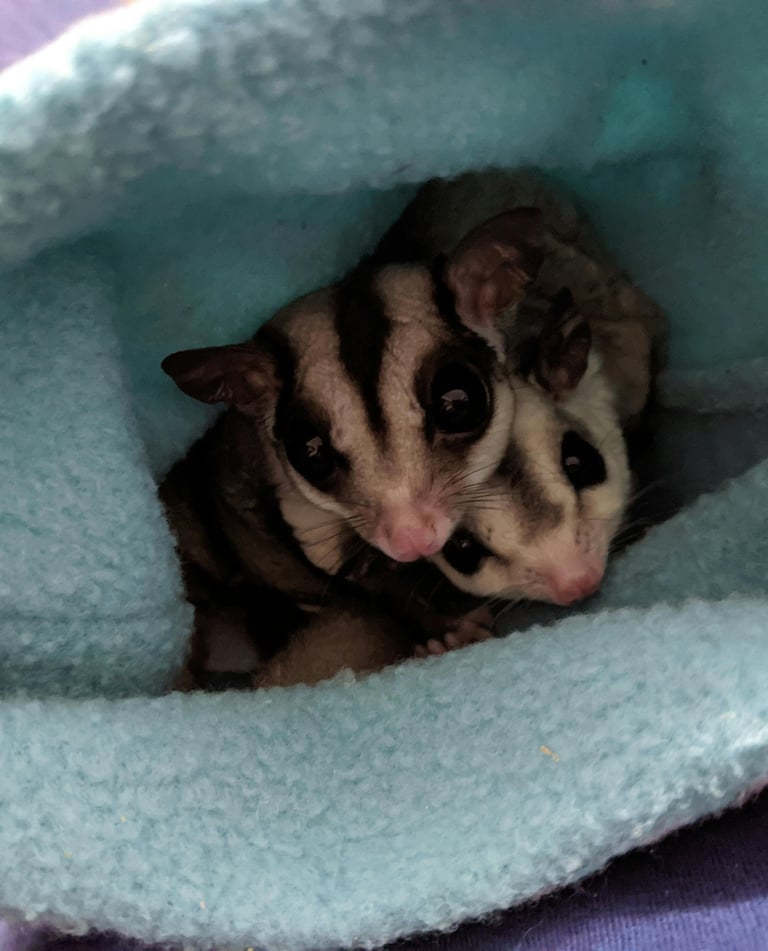
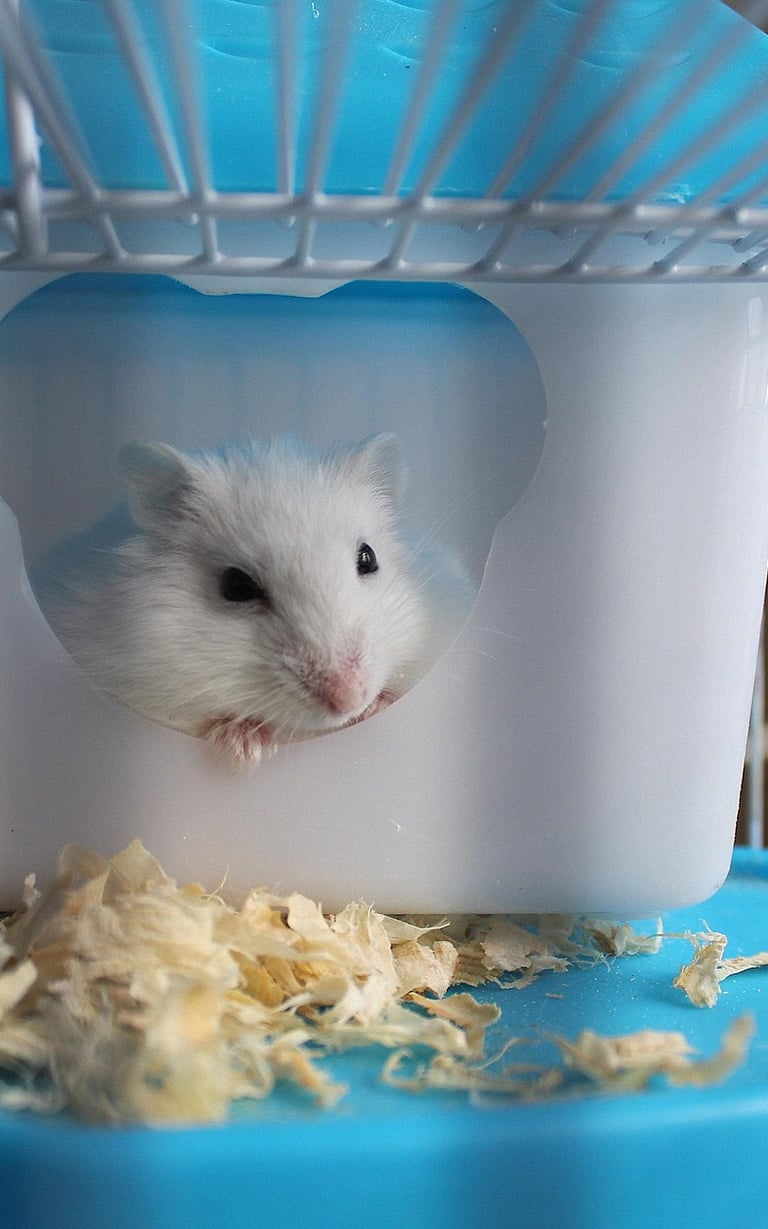
Birds and Small Animals: These animals may feel vulnerable when humans reach into their primary enclosure. Establishing a rule where the cage or hutch is only serviced when the animal is out in a play area may drastically lower their territorial stress.
Reptiles and Amphibians: Their hide box is their primary survival anchor. Reaching into a hide to pull the animal out may cause a massive spike in cortisol. Respecting the hide as a No Trespassing zone may result in an animal that is much more willing to explore their environment when you are nearby.
The Human Element: Protecting the Peace
In this system, you are the Lead who manages the environment. By implementing the Sanctuary Protocol, you aren't just leaving your pet alone; you are actively building a foundation of trust. You are proving to the animal that you understand their need for autonomy and that you are strong enough to protect their peace.
Your pet may not be acting out because they are difficult; they may just be exhausted by a lack of privacy. Give them the No Trespassing zone they require, and they may give you the calm, trusting version of themselves you’ve been looking for.
The Petz Logic System
Download the Free P.L.A.Y. Scorecards & More Shop Digital Trackers & Premium E-Books & Systems by Petz Logic
© 2026 Petz Logic. All Rights Reserved. Empowering you with knowledge, not prescriptions. This content is for educational use and does not replace your vet. As an affiliate, we may earn a commission from qualifying purchases at no extra cost to you.
Petz Logic™ and the Petz Logic logo are trademarks used by PetzLogic.com.
Contact me & tell me your story


Don’t miss out Join the Pack
We are constantly adding new logic and tools to the hub. Enter your email to be notified when we release new guides or major updates. No spam, just logic.
petzaremylife@petzlogic.com

A Personal Note
I’m building this ecosystem by hand, piece by piece. Since it’s just me behind the blueprints, I’m always open to hearing your concerns and evolving this design with your feedback. As we grow, I’m planning to add a dedicated Q&A section to help tackle the specific logic of our pets' lives.
All I ask is that you bring those words with kindness. Let’s keep this community as respectful as the animals we love.
Thank you so much 😊
Mo