

Target Displacement: The "Misfire"
Why They Strike the Wrong Target
Why It’s Just Biology
We’ve all experienced it: You’re reaching in to tidy an enclosure, walking across the kitchen, or just offering a friendly hand, and suddenly—snap. Whether it’s a parrot’s beak, a lizard’s strike, or a cat’s "ankle-ambush," these moments can feel startling.
In the Petz Logic world, we don't see this as "being mean" or "aggressive." We call it a Misfire. This happens when your pet’s natural hunting drive is fully activated, but the intended "prey" isn't there. That intense energy doesn't just evaporate; it simply searches for the next available target to land on.
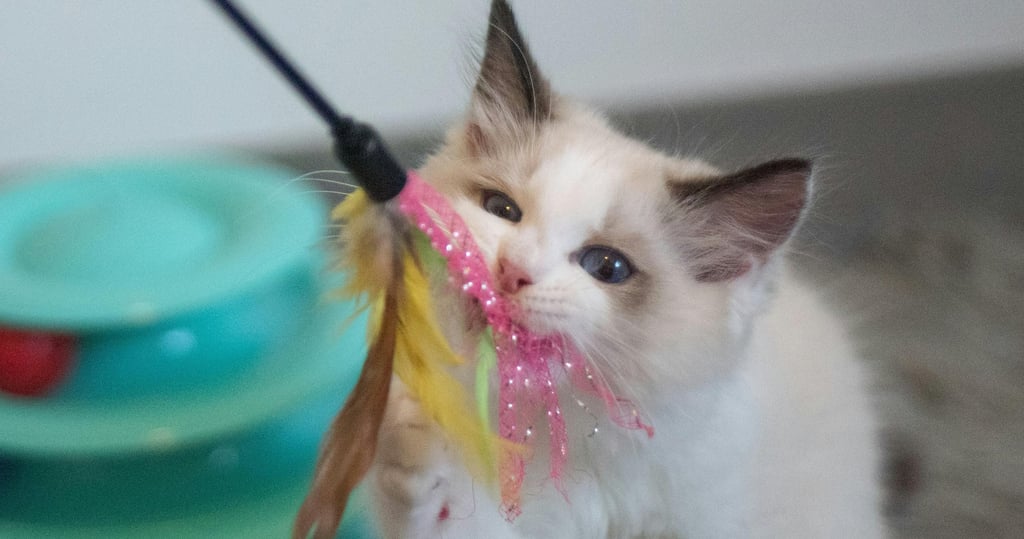

The Coiled Spring of Instinct
Imagine your pet is like a coiled spring. In the wild, that spring is released when they find food. In your home, that same energy is triggered by many things—a sudden movement, a change in light, or even just a burst of afternoon excitement.
When that internal drive is "coiled" and ready to go, but there’s no cricket to catch or toy to pounce on, the instinct looks for an outlet. In that split second of high energy, the brain is moving faster than it can identify the object.
The result? Your finger, your hand, or your moving feet accidentally meet the criteria for a "target" for an instinct that was meant for something else entirely.
The Misfire: Species Edition
Every predator has its own way of redirecting that pent-up energy. Here is how it looks across our four main groups:
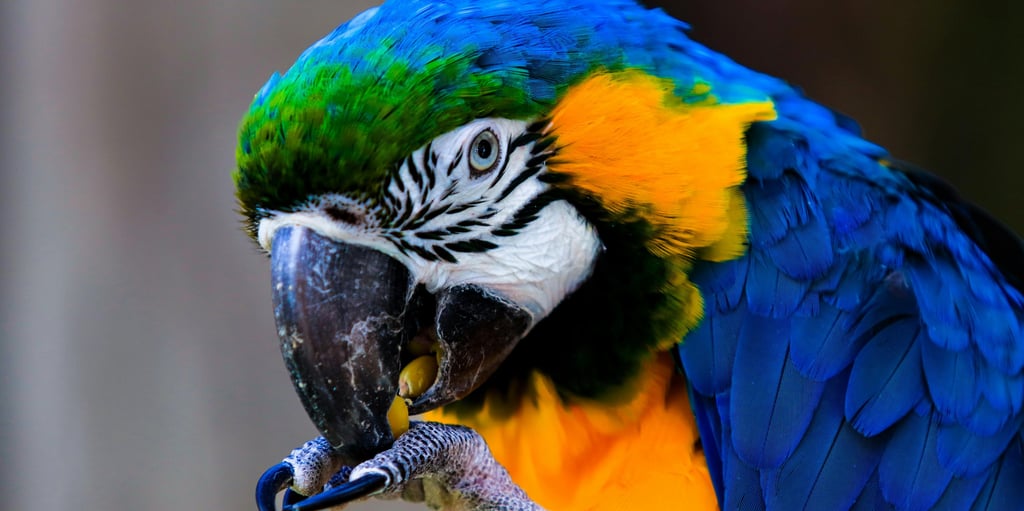
1. Birds: The Beak as a Hand
For birds, the beak is their primary way of feeling and interacting with the world. Whether it’s a parrot or a smaller species, the beak acts as a sensory organ. When a bird is overstimulated—maybe they are excited by a new sound or a bright color—that "Grab and Shred" instinct is at a peak. If they don't have a piece of wood or a toy to destroy in that exact moment, your finger might receive that redirected energy. They aren't upset; they are just looking for a place to put all that "beak-focused" intensity.
2. The Snake: The Reflexive Strike
Snakes are the ultimate ambush specialists, often relying on heat pits or motion-sensitive vision to find their prey. When a snake is in "feeding mode," their strike reflex is instantaneous. If you reach into their habitat to move a water bowl or a hide, that sudden movement (or the warmth of your hand) can trigger a strike before the snake’s brain has fully processed that you aren't a meal. It’s a biological "yes" to a sensory trigger, not a choice to be mean.
3. The Cat & The Dog: The Energy of the Chase
Cats and dogs are built for movement and pursuit.
The Cat: Your ankles moving across the floor provide the perfect "chase" trigger. If they haven't had a chance to work through their hunting sequence that day, your feet are simply the most exciting "prey" in the room.
The Dog: If you’ve ever reached for a dog’s collar during an intense game and gotten a "play-nip," that is displacement. The dog is so focused on the "Grab" phase of their instinct that anything moving toward them gets caught in that high-energy moment.
The Fine Line: Misfire vs. Aggression
Because a strike feels the same whether it’s a misfire or actual aggression, it is easy to confuse the two. However, the Logic behind them is completely different. Understanding the difference is the key to keeping your home safe and your pet understood.
The Misfire (The Hunt)
The Goal: To "catch," "grab," or "shred" a target.
Body Language: Focused and high-energy. Look for dilated pupils, a low stalking posture, the classic "wiggle" before a pounce, or intense, quiet staring.
The Trigger: Usually movement, a specific sound, or a high-energy play session.
The Aftermath: The pet usually remains in a "playful" state or settles down once they feel they have successfully "won" the interaction.
Aggression (The Warning)
The Goal: To create distance or stop a perceived threat.
Body Language: Stiff and defensive. Look for "pinning" eyes (in birds), puffing up or gaping (in lizards), or baring teeth and growling (in dogs and cats).
The Trigger: Usually an intrusion into their personal space, fear, pain, or "guarding" a favorite toy or food bowl.
The Aftermath: The pet remains stiff, retreats to a corner, or continues to warn you to stay away.


How to Redirect the Energy
The most effective way to handle a misfire is to give the instinct a better place to go. Since this is a biological need, we just need to provide the right outlet.
Swap the Target: If you notice that intense stare or "ready to pounce" body language, slide a toy or a "shredder" in their path before the strike happens. Give the instinct the target it’s searching for.
Complete the Loop: Let your pet actually "win." Let the cat catch the feather; let the lizard get the bug; let the bird shred the cardboard. Once they successfully "win," their body triggers a natural "off-switch" and they can finally settle into a state of rest.
Observe the Energy: Watch for the signs of high intensity—dilated eyes, a stiff posture, or extra-fast movements. This is the time to offer a safe object for them to interact with, rather than a bare hand.
The Petz Logic Takeaway
A misfire isn't a personality flaw—it's just a biological "To-Do" list that needs a checkmark. When we stop seeing the strike as something personal and start seeing it as a natural redirection of energy, we move from guessing why they’re "acting out" to knowing how to give them exactly what their nature is asking for.
Important Safety Note
While understanding the "Logic" of behavior is key to a better bond, your pet's physical health always comes first. Sudden, drastic changes in behavior—including new or increased levels of biting or striking—can sometimes be a sign of underlying medical issues, such as pain, illness, or neurological changes.
Always consult with your veterinarian if you notice a sudden shift in your pet's behavior to rule out any medical causes. Once your pet has a clean bill of health, the Petz Logic protocols are here to help you manage the biological drive.

The Petz Logic System
Download the Free P.L.A.Y. Scorecards & More
Shop Digital Trackers & Premium E-Books & Systems by Petz Logic



© 2026 Petz Logic. All Rights Reserved. Empowering you with knowledge, not prescriptions. This content is for educational use and does not replace your vet. As an affiliate, we may earn a commission from qualifying purchases at no extra cost to you.
Petz Logic™ and the Petz Logic logo are trademarks used by PetzLogic.com.
Contact me & tell me your story


Don’t miss out Join the Pack
We are constantly adding new logic and tools to the hub. Enter your email to be notified when we release new guides or major updates. No spam, just logic.
petzaremylife@petzlogic.com


A Personal Note
I’m building this ecosystem by hand, piece by piece. Since it’s just me behind the blueprints, I’m always open to hearing your concerns and evolving this design with your feedback. As we grow, I’m planning to add a dedicated Q&A section to help tackle the specific logic of our pets' lives.
All I ask is that you bring those words with kindness. Let’s keep this community as respectful as the animals we love.
Thank you so much 😊
Mo