Scent & Sound Discrimination
The "Find the Human" Logic
How Your Pet's Advanced Perception Powers the Ultimate Recall Game
As humans, we are highly visual creatures. We navigate our homes, recognize our families, and assess danger primarily by looking at it. Because of this, we assume our pets are doing the exact same thing. But for your companion animals, sight is often secondary. They are experiencing a rich, invisible universe constructed entirely of overlapping scents and subtle vibrations.
To truly master communication and build a flawless recall, a Guardian must step outside the visual world and understand the advanced biological layers of how their pet actually processes the environment.
The Olfactory Universe -Reading the Invisible
When you walk through your front door, you see the living room. When your pet walks through the front door, they are reading a chemical history book of everything that has happened in that space.
The Canine Breakdown: A dog’s olfactory cortex is vastly larger than ours. When we smell a pot of chicken soup, we just smell "soup." A dog smells the chicken, the carrots, the celery, the individual salt grains, and the metallic tang of the pot. More importantly, they can smell you. You have a unique, constantly shedding invisible trail of skin cells, hormones, and sweat. A dog doesn't just know you were in the kitchen; they know how long ago you left and whether you were stressed or relaxed when you were there.
The Feline Vomeronasal Organ: Cats possess a specialized sensory receptor on the roof of their mouth called the Jacobson’s organ. When a cat leaves their mouth slightly open after sniffing something (the Flehmen response), they are literally pulling scent particles over this organ to simultaneously taste and smell the air. They use this to perfectly map the chemical territory of your home and identify the shifting emotional states of everyone in it.
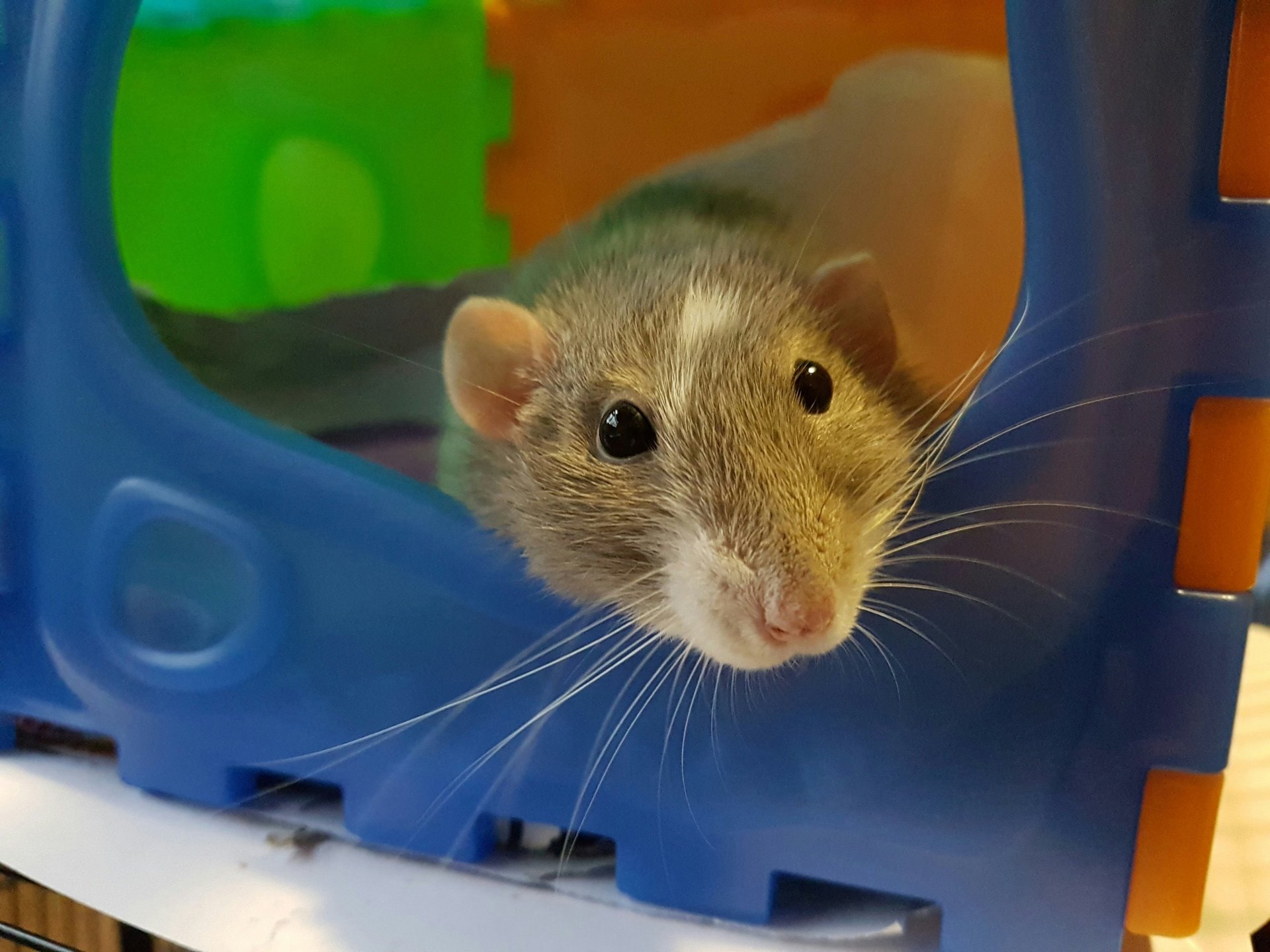
The Small Mammal Compass: For prey animals like rats, scent is survival. Rats have highly developed olfactory bulbs that allow them to navigate complex environments in pitch darkness. They can instantly distinguish the specific scent signature of their designated Guardian from a stranger, using smell as a primary tool to determine who is safe and who is a threat.
The Acoustic Radar
Feeling the Footfalls
Long before your animal sees or smells you, they feel you. Animals are masters of sound discrimination and vibrational mapping.
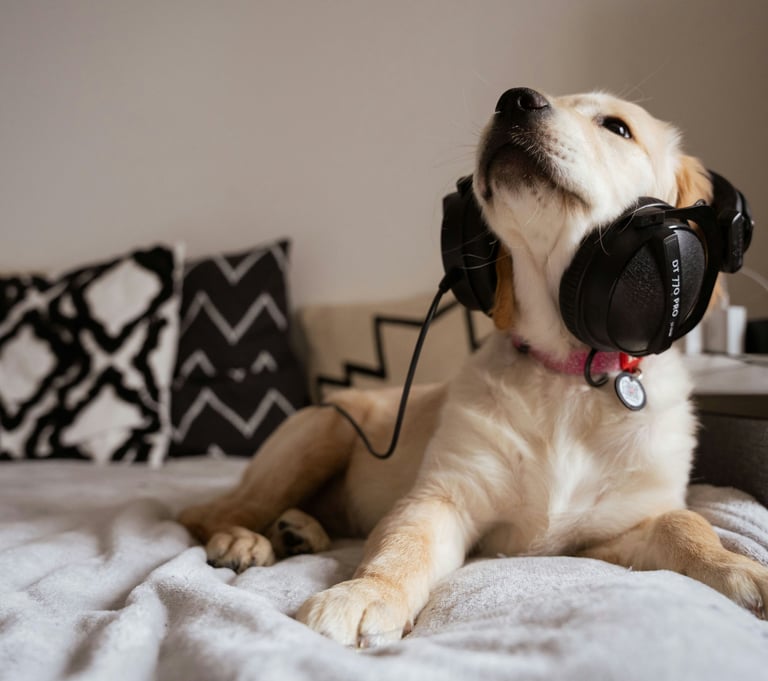
They don't just hear footsteps; they memorize the specific rhythm, weight, and cadence of your footfalls versus your neighbor's. This is why your dog might sleep soundly while delivery drivers walk past the house, but instantly lifts their head when your specific car turns onto the street. Their auditory cortex has cataloged the exact hum of your engine and the unique jingle of your keys. They are constantly filtering out background noise to isolate the specific acoustic signatures of their Guardians.
The "Find the Human"
A Glimpse into the System
Understanding this biology is the secret to building advanced, unbreakable recall.
While the biological ability to track scent exists across all our companion animals, the active application of the "Find the Human" game is primarily designed for dogs (though highly food-motivated or adventurous cats can easily learn modified indoor versions).
Most Guardians struggle with canine recall because they treat it as an auditory command—they stand in the park and yell their dog's name over and over until it just becomes background noise. But when you engage their natural tracking instincts, recall stops being a chore and becomes the ultimate biological game.
At Petz Logic, this logic actually started right in our own living room. My husband and I would play a simple hide-and-seek game with our pets: one of us would hide somewhere in the house, and the other would give the cue, "Go find Dad," or "Go find Mom." We actually taught them the words "Mom" and "Dad" strictly because of this game, using the hide-and-seek mechanics as a direct association tool. By pairing the auditory cue with the hunt for our unique scent signatures, that simple phrase triggered their brains to link the word with the chemical trail, shifting them into active "tracking mode." They dropped their noses, engaged their acoustic radar, and actively hunted.
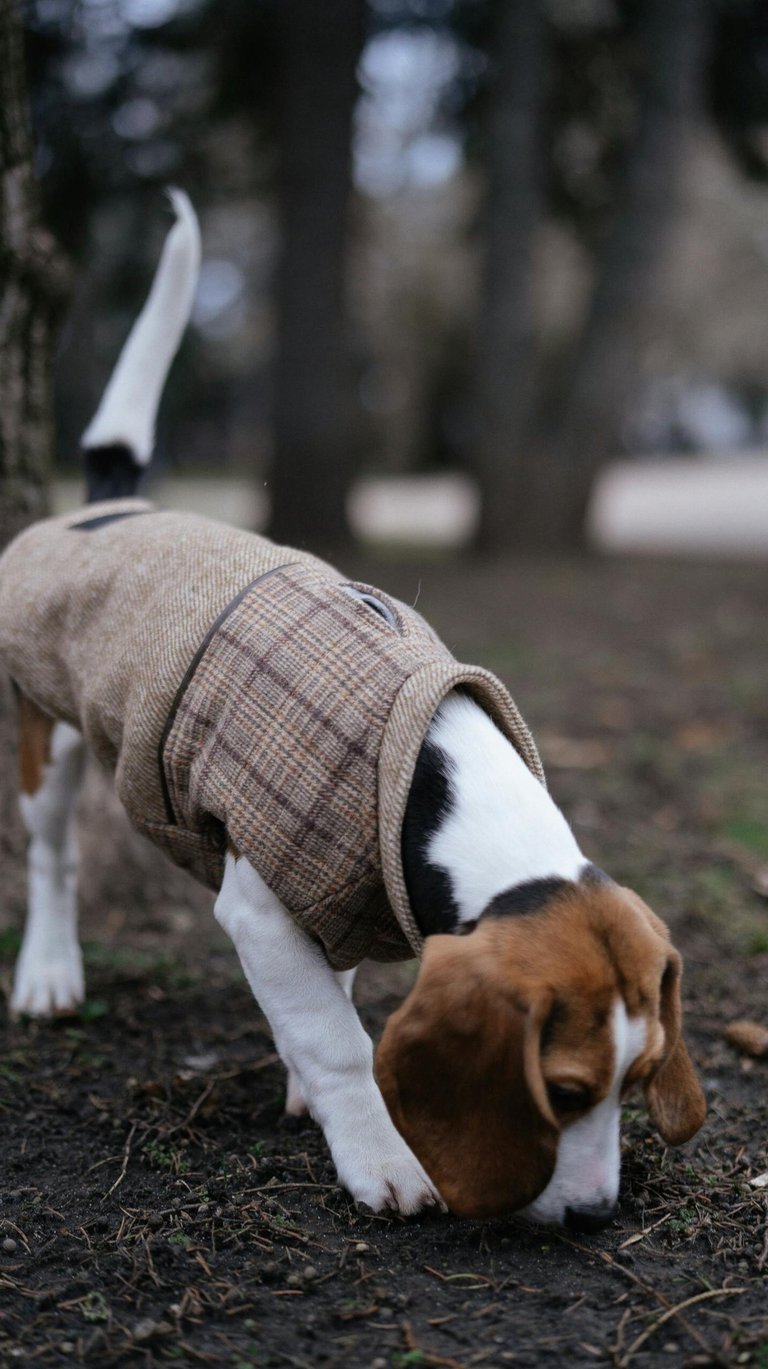
But that indoor foundation scales directly into practical, real-world application for dogs. Now, if we are walking down a trail and naturally separate, one of us can simply give the cue. The dog immediately locks onto the familiar scent and acoustic trail, turning a standard walk into a highly engaged, focused tracking exercise.
When you scale this concept up, you stop relying solely on your voice and turn yourself into the ultimate biological puzzle. Because this taps into such deep instinctual canine drives, we break down the exact step-by-step mechanics, environmental variations, and advanced tracking levels of this method extensively inside the 90 Days of Logic interactive manual. In fact, we are currently developing an entire dedicated Petz Logic system of biological games and enrichment exercises built specifically around these concepts.
© 2026 Petz Logic. All Rights Reserved. Empowering you with knowledge, not prescriptions. This content is for educational use and does not replace your vet. As an affiliate, we may earn a commission from qualifying purchases at no extra cost to you.
Petz Logic™ and the Petz Logic logo are trademarks used by PetzLogic.com.
Contact me & tell me your story


Don’t miss out Join the Pack
We are constantly adding new logic and tools to the hub. Enter your email to be notified when we release new guides or major updates. No spam, just logic.
petzaremylife@petzlogic.com
A Personal Note
I’m building this ecosystem by hand, piece by piece. Since it’s just me behind the blueprints, I’m always open to hearing your concerns and evolving this design with your feedback. As we grow, I’m planning to add a dedicated Q&A section to help tackle the specific logic of our pets' lives.
All I ask is that you bring those words with kindness. Let’s keep this community as respectful as the animals we love.
Thank you so much 😊
Mo