THE DENNING INSTINCT:
The Psychology of Enclosure
In the human world, a wide-open floor plan is a luxury, but within the Petz Logic Ecosystem, we recognize that for many animals, "open" can translate to a state of Vigilance. While some pets navigate a vast room with ease, others view an open floor as a series of vulnerabilities. This drive to seek cover isn't about being "antisocial"; it is a search for varying degrees of Thigmotaxis.
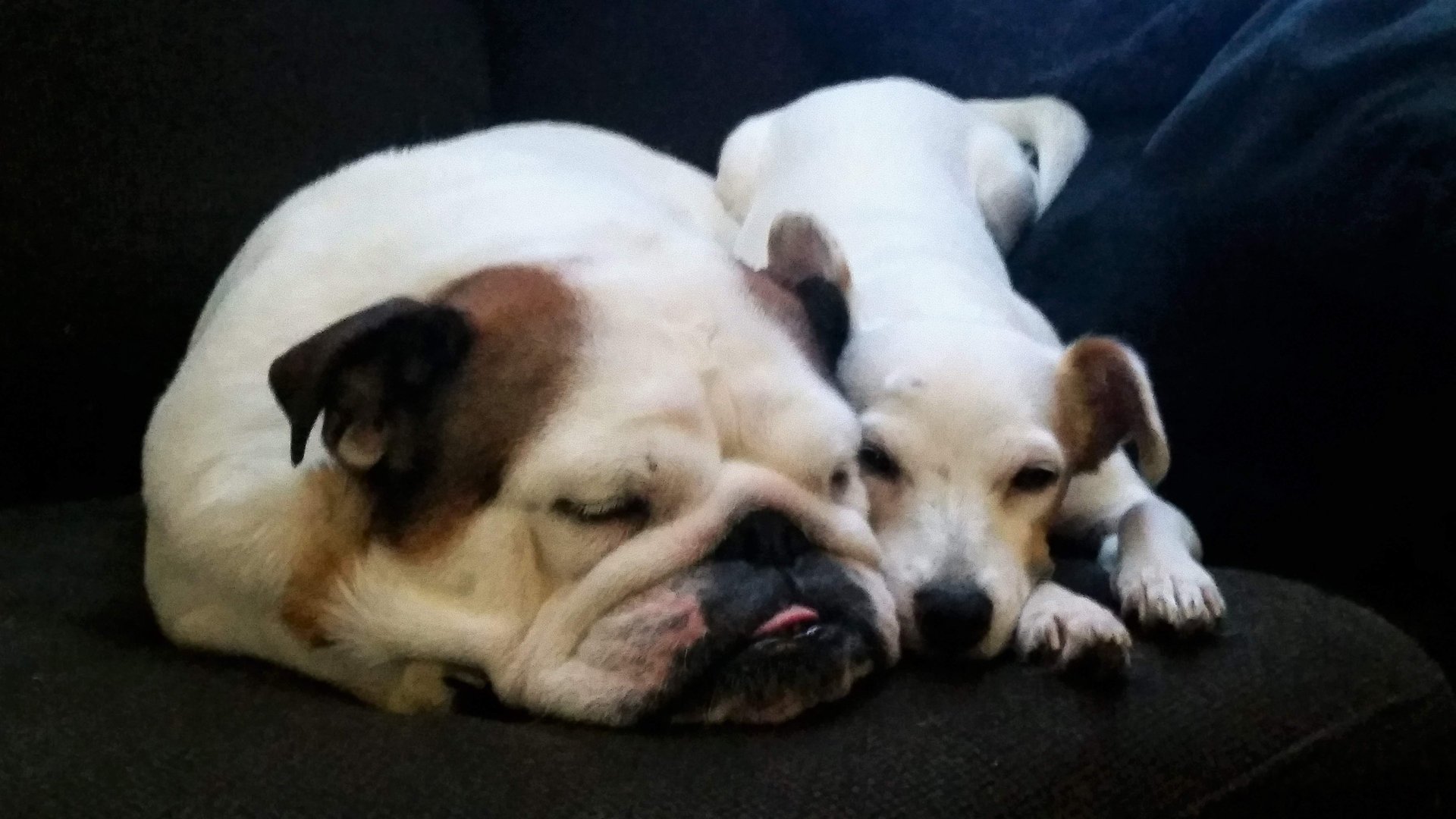
Thigmotaxis is a sensory preference for physical contact with solid boundaries. For a sensitive animal, this contact serves as a vital physiological Confirmation that their brain can stop scanning for threats. Whether it's a slight lean against a sofa or a deep wedge into a tight gap, they are looking for a specific neurological reset point.
The Degrees of Being: Identifying the Safe Horizon
To Stop Guessing, we have to identify where your pet sits on the spectrum of environmental awareness. Every animal has a "Safe Horizon"—the point where their specific surrounding meets their psychological need for safety.
The Social Sentry (Stage 1)
Some animals operate with a low-level awareness. They are comfortable in the center of the action but prefer a "backboard" to lean against while resting. For these pets, a high-backed bolster bed placed firmly against a wall provides the Physical Confirmation needed to drop their guard. They don't need to hide; they just need to "anchor" their spine to close off one angle of awareness.
The Perimeter Manager (Stage 2)
These pets require a bit more "Shadow Logic." They want to remain part of the family dynamic but need a "Visual Veil" to feel they aren't fully exposed. You’ll often find them tucked under a low end-table or behind a sheer curtain. They are seeking a spot that breaks their silhouette while still allowing a clear line of sight to the exits. They aren't checking out; they are just lowering the "data load" of the room.


The Science: The Thigmotactic Reset
To understand why this works, we have to look at Sensory Gating. In an open space, an animal’s brain must process 360 degrees of potential data. This keeps the nervous system "on the clock."
The Contact Feedback: The moment the animal finds their required degree of contact, the brain receives a signal that specific "angles of approach" are officially secure.
The Neuro-Shift: Every point of physical confirmation allows the nervous system to shift from the Sympathetic (Survival) state to the Parasympathetic (Recovery) state.
The "Off-Duty" Signal: A den is a neurological permit to stop guarding. By matching the infrastructure to your pet's specific Degree of Being, you allow them to finally go off-duty.
The Human Element: Leading the Peace
When you understand the psychological requirement for enclosure, you stop seeing your pet's "hiding" as a rejection of you. You start seeing it as a vital part of their Recovery Cycle. You are the Lead who ensures the perimeter is safe, so they can finally stop being a sentry and start being a pet.
Stop Guessing, Start Knowing. Give them the walls they need to feel safe, and they will give you the calm, balanced version of themselves you’ve been looking for.
Species Profiles: Matching the Infrastructure & Gear
Within the Petz Logic Ecosystem, we recognize that every species operates under a different set of survival blueprints. To successfully transition an animal from "Sentry Mode" to "Off-Duty," the gear must match their specific biological logic.
Dogs: The Canopy Logic
Many dogs may seek out "low and dark" environments that mimic the safety of a cave. If you notice your dog sleeping under a desk or a dining table, they may be looking for a physical barrier between their spine and the ceiling to feel secure from above.
The Gear & Affiliates: Look for Heavy-Duty Crate Covers (such as Pet Dreams Crate Covers) or Furniture-Integrated Kennels (like the New Age Pet ecoFLEX Crate). Adding a dark, breathable cover to a standard wire crate may instantly lower a dog's cortisol by creating a dedicated "Black-Out Zone."
Cats: The 3D Sentry
A cat’s denning logic may combine the need for total enclosure with a strategic preference for height. They may want to feel physically hidden while maintaining a 360-degree visual vantage point of the room below to monitor for "intruders."
The Gear & Affiliates: Search for Elevated Felt Caves (like Meowfia Premium Felt Caves) or Wall-Mounted Sleeping Pods (such as The Refined Feline Lotus Branch). A hideout that offers solid walls while being elevated may satisfy their dual need for security and environmental monitoring.
Birds: The Vertical Anchor
Birds may require a solid surface to lean against, specifically in a high corner of their enclosure. This tactile feedback may help prevent "night frights"—sudden panics caused by a perceived lack of stability—and ensure the bird reaches a state of deep, restorative sleep.
The Gear & Affiliates: Look for Textured Corner Perches or Fleece Privacy Shields (such as the Prevue Pet Products Snuggle Hut). These tools may allow the bird to "anchor" their body against a surface, providing the physical stability needed for neurological recovery.
Small Mammals: The Escape Route
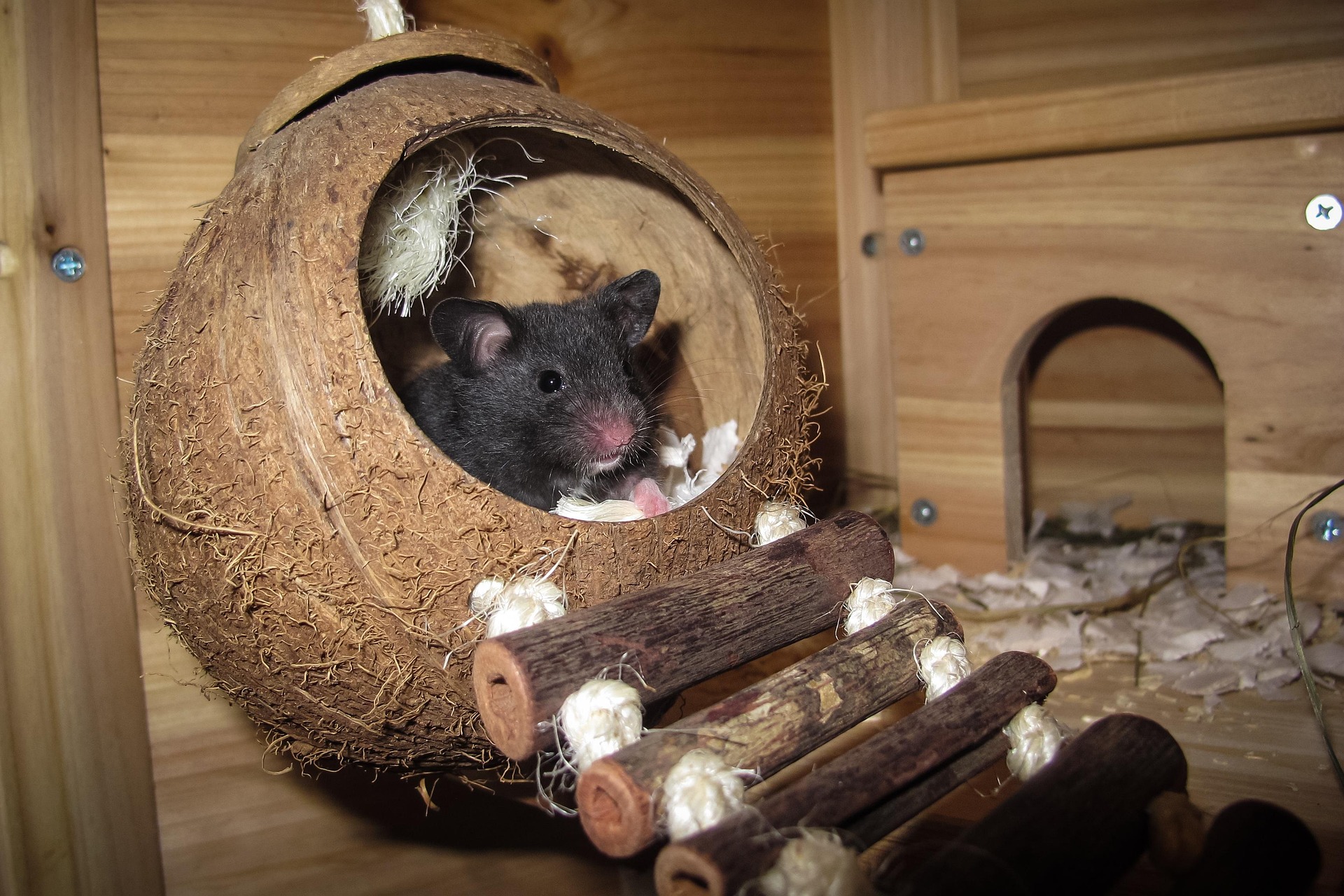
For prey animals like rabbits and rodents, a space with only one entrance may feel like a trap rather than a sanctuary. They may require a den with at least two exits, ensuring they always have a flight path available. This is vital for maintaining a low-stress baseline.
The Gear & Affiliates: Look for Modular Grass Tunnels (like Oxbow Enriched Life Timothy Club) or Woven Hay Huts with Multiple Portals. These provide the physical "hug" of thigmotaxis while offering a clear path for a quick exit, which may prevent the animal from feeling cornered.
Reptiles: The Negative Space Requirement
Many reptiles may seek a "tight squeeze" where their scales maintain constant, firm contact with both the roof and walls of their hide. This displacement of negative space may provide the Physical Confirmation their brain needs to drop their defensive guard and enter a resting state.
The Gear & Affiliates: Search for Low-Profile Resin Hides (like the Zoo Med Repti Shelter) or Naturalistic Slate Hides (such as the Zilla Rock Den). The goal is a "tight fit" that may provide maximum physical feedback to lower their defensive drive.
Amphibians: The Micro-Climate Den
For amphibians, a den may be less about physical protection and more about Moisture Security. They may require a hide that traps high levels of humidity (a "moist hide"), allowing their skin to respirate safely. Without this specific environmental anchor, their brain may remain in a state of survival-based dehydration stress.
The Gear & Affiliates: Look for Humid Hides (like the Exo Terra Snake Cave) filled with Sphagnum Moss (such as Zoo Med New Zealand Sphagnum Moss). This setup may create the necessary micro-climate to allow the animal's nervous system to finally settle.
The Cavity Seeker (Stage 3)
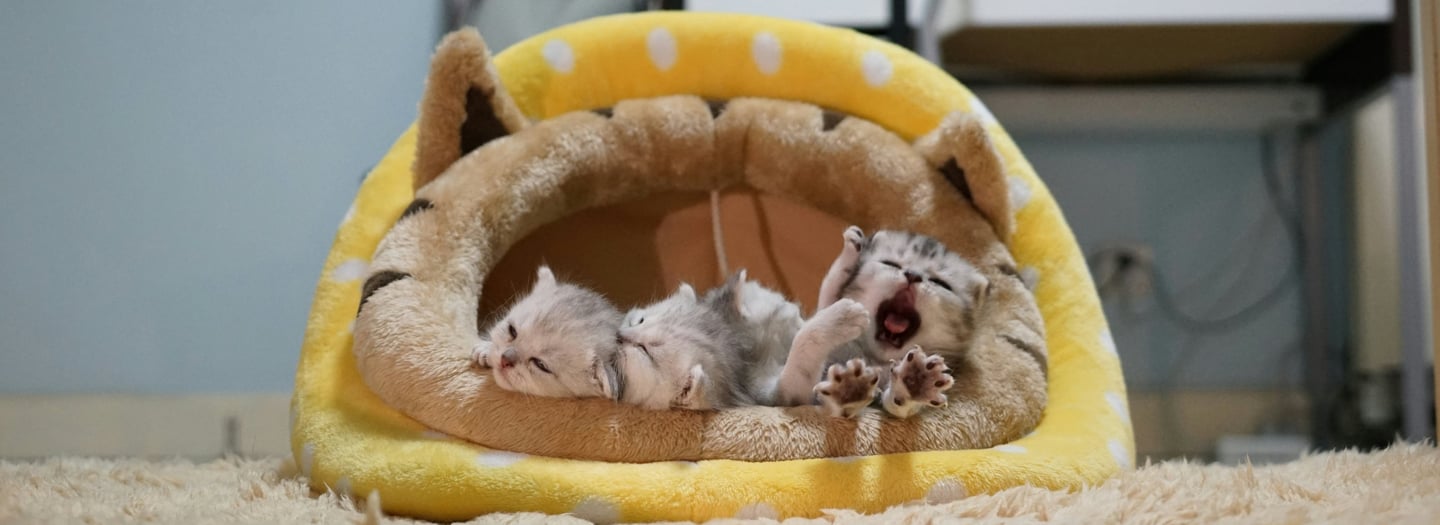
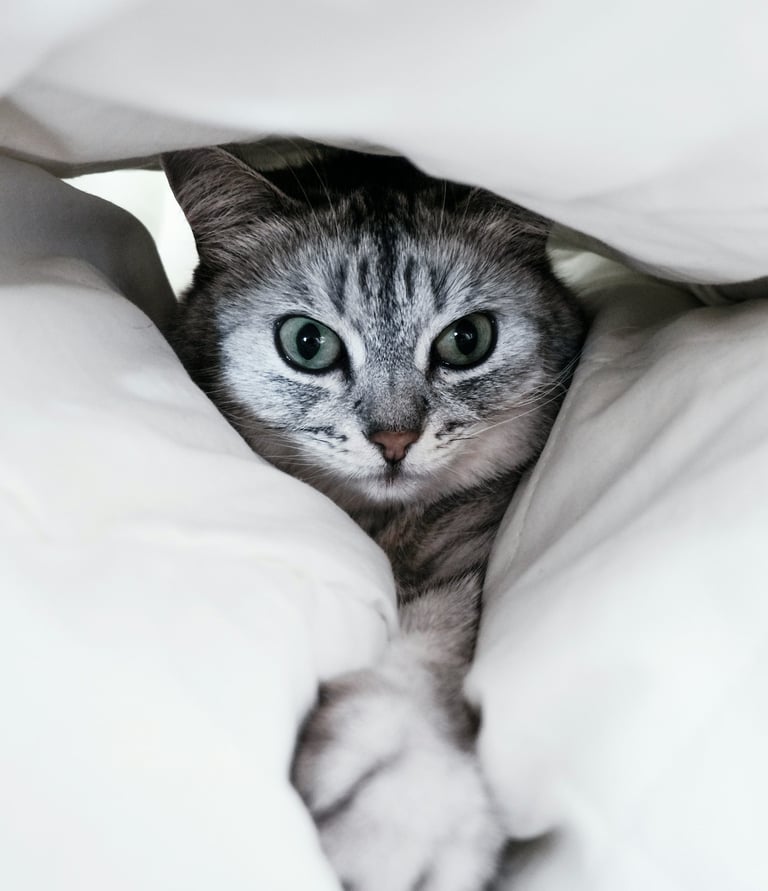
At this stage, vigilance is high. These animals feel exposed in bright light or open air and actively seek 360-degree physical pressure. They aren't just looking for a spot; they are looking for a "hug" from the environment. This is the dog that burrows into a donut bed or the cat that seeks a hooded cave. For them, a low ceiling and high walls are the only way to receive the Biological Green Light to sleep.
The Deep-Burrower (Stage 4)
This is the peak of the denning drive, often triggered by a survival-based need to be "invisible." For small mammals like rabbits or highly sensitive rescues, they require total sensory deprivation to achieve restorative sleep. They need to "disappear" into a light-tight, sound-muffled enclosure. Without this total isolation, their brain stays in a perpetual loop of "High-Alert Sentry Mode," which can lead to irritability and burnout.



The Strategy: The Sanctuary Protocol
Within the Petz Logic Ecosystem, a den is only functional if the humans respect the Sanctuary Rule.
Analyze the Current Choice: If your pet hides behind the sofa, identify the Logic of that spot (Is it dark? Is it tight?). Replicate that logic with a high-quality "Den" tool.
Zero-Invasion Policy: Once the animal enters their designated Den, they are Officially Invisible. No reaching in, no pulling them out for guests, and no "cleaning" while they are inside.
The Result: When an animal knows they have a guaranteed exit from social pressure, they are actually more likely to spend time in the open with you. Confidence is built in the den.
The Petz Logic System
Download the Free P.L.A.Y. Scorecards & More
Shop Digital Trackers & Premium E-Books & Systems by Petz Logic


© 2026 Petz Logic. All Rights Reserved. Empowering you with knowledge, not prescriptions. This content is for educational use and does not replace your vet. As an affiliate, we may earn a commission from qualifying purchases at no extra cost to you.
Petz Logic™ and the Petz Logic logo are trademarks used by PetzLogic.com.
Contact me & tell me your story


Don’t miss out Join the Pack
We are constantly adding new logic and tools to the hub. Enter your email to be notified when we release new guides or major updates. No spam, just logic.
petzaremylife@petzlogic.com
A Personal Note
I’m building this ecosystem by hand, piece by piece. Since it’s just me behind the blueprints, I’m always open to hearing your concerns and evolving this design with your feedback. As we grow, I’m planning to add a dedicated Q&A section to help tackle the specific logic of our pets' lives.
All I ask is that you bring those words with kindness. Let’s keep this community as respectful as the animals we love.
Thank you so much 😊
Mo