
NOVELTY & HABITUATION:
Why the Brain Goes to Sleep
Welcome back to the Petz Logic lab—the official home for Guardians who are done with the guesswork and ready to start knowing exactly what makes their animals tick! We’ve all been there: you’ve spent hours meticulously designing a five-star sanctuary for your rabbit, reptile, ferret, or rodent, only to have them treat it like a dull cardboard box after just a few days. It’s frustrating, but it isn’t a mystery; it’s the "Science of Meh."
Your pet’s brain—whether they are a sugar glider, a hedgehog, or a classic cat or dog—is a sophisticated, novelty-seeking machine wired to scan for change. When their habitat becomes a permanent "Groundhog Day" loop, their neurons essentially go on standby. Our mission today is to cut through that confusion and give you the structured, actionable guidance you need to keep those gears turning. We’re going to show you how to use a unified system for tracking and record-keeping to transform the struggle of a bored pet into a solvable solution, so you can stop guessing and start enjoying your bond with total confidence.
The Neural Architecture of "Invisible" Environments
In the wild, survival is a data-driven game. An animal’s nervous system is a high-speed processor fine-tuned to detect the slightest shift—a snapped twig, a changing scent, or a fresh patch of forage. To a pet, "new" information is the highest priority because it represents either a vital resource or a potential threat.
At home, however, the environment often shifts from a dynamic landscape to a sensory desert. This is where Habituation—the biological "mute button"—takes over.
The Science of Sensory Filtering
Habituation is more than just getting used to a routine; it is a physiological survival mechanism known as sensory filtering.
Think of a ticking clock: after a few minutes, your brain doesn't just "decide" to ignore the sound; it actually prunes that input from your conscious awareness. This allows you to stay alert for more important data.
For the animal residents in our homes, this creates a "Cognitive Ceiling":
The Stationary Hutch: A rabbit’s high-end hiding spot becomes "invisible."
The Fixed Terrarium: A lizard’s favorite climbing branch becomes background noise.
The Static Toy Box: A dog’s favorite puzzle becomes a "dead file."
When their world remains identical for weeks, their brain literally stops registering the habitat. The environment they live in eventually becomes invisible to their nervous system.
The Danger Zone: Biological SOS Signals
When a pet’s brain stops receiving external data, it creates a sensory vacuum. This is the "danger zone" where the brain begins to look inward for stimulation. At Petz Logic, we recognize these as Biological SOS Signals—structured data telling you the environment has flatlined


The Vocal Renovators:
Rabbits and Guinea Pigs
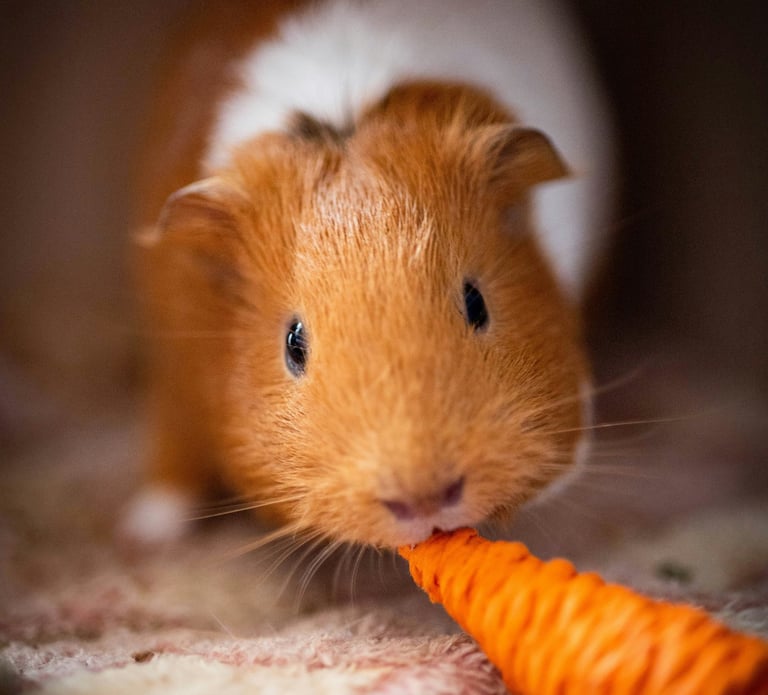
Rabbits and guinea pigs aren't just "living" in their enclosures; they are the high-energy landscapers of the home. In their natural world, survival depends on a sophisticated internal GPS—knowing every nook, cranny, and escape route. When we keep them in a static environment where the floor plan never changes, that internal map becomes a "dead file." This is the Science of Meh in action. When their world becomes "invisible" to their nervous system, boredom-related warning signs—like over-grooming, cage-biting, or lethargy—start to surface. To Stop Guessing and Start Knowing, we have to treat their habitat as a living, breathing project.

Species Spotlight: Keeping Curiosity Alive
Whether they have fur, scales, or feathers, every Guardian needs a strategy to keep their pet’s curiosity sharp. Here is how the Petz Logic approach works across the board:
The Micro-Architects
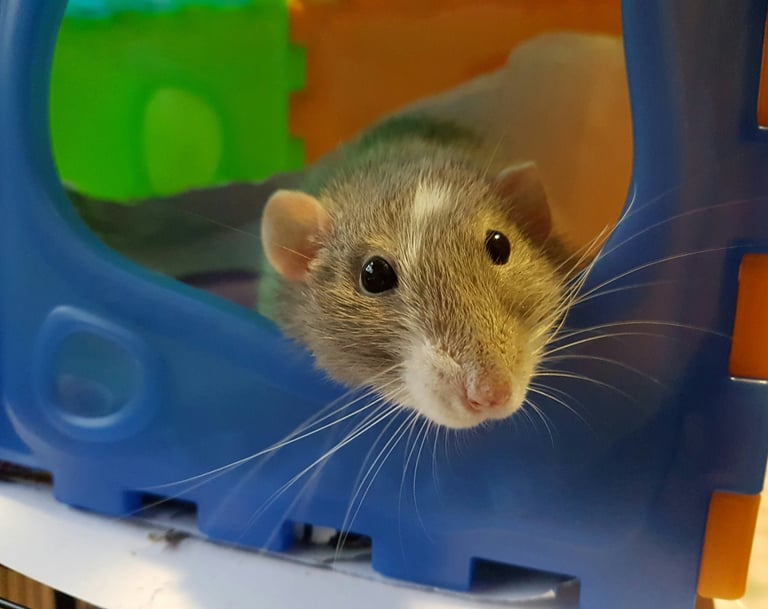
Rats, Hamsters, Mice, Gerbils
These residents are biological engineers requiring continuous cognitive engagement to maintain neural health.
Spatial Re-indexing: Perform total environmental reconfiguration. Relocate primary kinetic hubs and swap standard chews for structural labyrinths to force a full territorial re-mapping.
Subsurface Extraction: Conceal measured nutrient portions within varied bedding strata to activate instinctual search logic and transform passive feeding into a solvable mechanical solution.
The Exotic Explorers
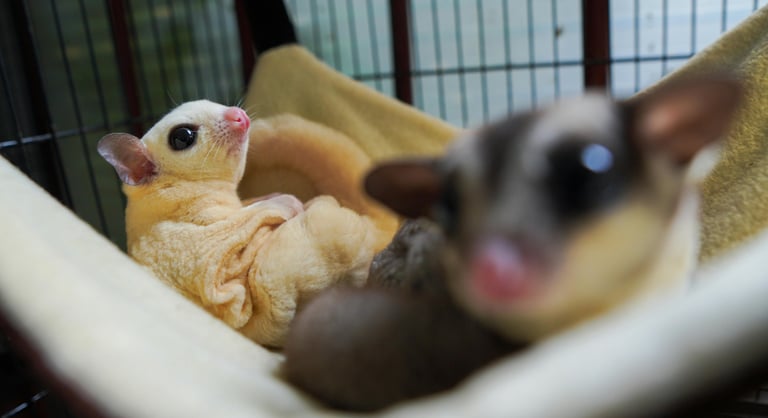
(Hedgehogs, Sugar Gliders, Ferrets)
High-Speed Processing: Ferrets have brains like lightning; change their "tube layout" weekly to create brand-new "hunting" paths.
Tactile Variety: For hedgehogs and gliders, introducing a new safe material—like a fleece strip versus a smooth plastic tunnel—re-engages their tactile senses.
The Cold-Blooded Kings
(Reptiles & Amphibians)
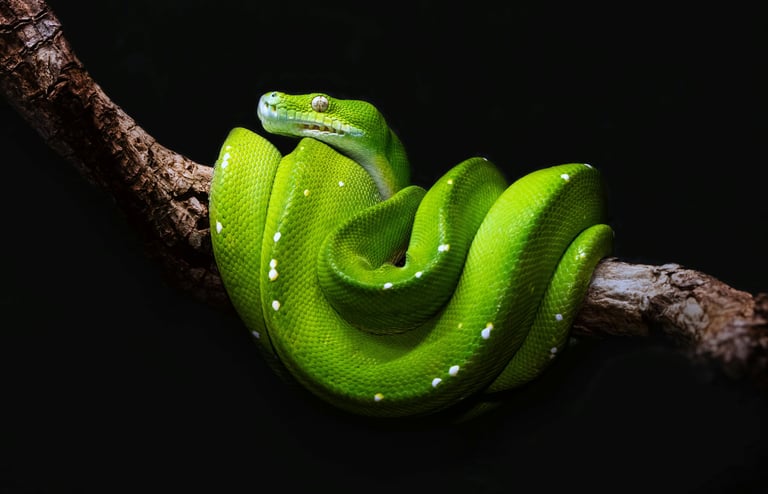
Micro-Novelty: You can't always move a heavy tank, but you can change the "furniture." Rotating a hide-box or adding a new (safe) branch creates a brand-new thermal gradient for them to explore.
Visual Interest: Changing the background on the outside of the glass can spark an interest response and keep them alert to their surroundings.
The Household Staples
The Feline Logic
"Find the Human" Logic: Cats are apex trackers. Engage their advanced scent and sound discrimination by hiding a piece of unwashed clothing or playing varied nature sounds. This prevents their hunting instincts from becoming a "dead file."
Verticality: For the feline Resident, a "new" environment is often just a higher one. Rotating access to different shelves or window perches keeps their territory feeling expansive and prevents the "Science of Meh."


The Petz Logic Pro-Tip: The 20% Rule
Variety isn't just about what's in the bowl; rotating the environment is just as critical. Use your Petz Logic system to track P.L.A.Y. Method compliance scores to see exactly how novelty affects their behavior.
Rotate 20% of the environment every single week to keep the brain engaged.
Scent is King: Introducing new, safe smells (like a pinch of dried herbs for rabbits or a new wood scent for reptiles) can instantly reset a "bored" brain.
Track the Results: Note any changes in activity logs or behavior to look for those crucial warning signs.


The Architectural Swap: High-End Modular Living
A proactive Guardian knows that the best way to reset a bored brain is to force it to re-map the room. Every week, perform an Architectural Swap. By rotating the orientation of their hide-boxes and tunnels, you trigger their spatial neurons and keep their territory feeling expansive.
Premium Modular Systems: Move away from basic cages and look into high-end C&C modular housing systems from Kavee. These allow you to expand and reconfigure their floor plan on a whim, ensuring their territory never feels "finished."
The Zippi Connection: For dynamic movement, the Omlet Zippi Tunnel System is a professional-grade way to connect different zones. By changing the tunnel paths, you turn a routine hop into a brand-new navigation puzzle.
Artisan Architecture: Invest in hand-crafted, kiln-dried birch castles from The Bunny Studio. These are designed specifically for "heavy renovation" instincts, providing durable, safe surfaces for chinning and chewing while acting as multi-level gyms.
Precision Foraging: Clinical Accuracy in the Bowl
Managing a small herbivore's intake requires more than a handful of greens; it requires data. We advocate for a "working" meal strategy that transforms a routine feeding into a solvable solution.
The Precision Scale: Use a high-precision digital scale (like the MyWeight KD-8000) to measure your daily greens and specialized forage to the gram. This ensures your Petz Logic Food Weighing Calculator results are clinical-grade, helping you catch health worries like GI stasis before they become emergencies.
Artisan Forage: Skip the dusty store-bought bags. Look toward Small Pet Select’s curated hay boxes. Their 2nd or 3rd cutting timothy hay provides the variety in texture and scent needed to reset a bored palate.
Interactive Feeding Tools: Instead of a bowl, use stainless steel foraging balls or hanging bamboo hay racks. These tools force your pet to physically pull and work for their meal, turning a passive activity into a high-stakes mental workout that significantly boosts their P.L.A.Y. Method compliance score.
Structural Logic: The Modular Workbench
Small rodents live in a 3D world; a static layout is a "dead file" that leads to lethargy and boredom.
Modular Habitats: Use high-end systems like the Savic Critter Nation or Niteangel Vista. These aren't just cages—they are architectural tools. Adding vertical expansion modules and rotating the floor plan weekly forces their brain to re-map the environment, keeping spatial neurons sharp.
The Precision Scale: Use a digital gram scale to measure seed and grain ratios to the milligram. This ensures your Petz Logic: The Greenery Hub results are executed with clinical precision, managing their high-speed metabolism and preventing biological imbalances before they start.
Mechanical Foraging: Replace the bowl with Niteangel Wooden Digging Towers or Trixie Activity Boards. These tools require your pet to physically "engineer" their way to every bite. By transforming a passive meal into a solvable solution, you burn mental energy and significantly spike their P.L.A.Y. Method compliance score.
The Apex Resident: Cats
Cats are biological predators whose territorial instincts often hit a "Cognitive Ceiling" in a static home environment.
Vertical Architecture: Cats view territory in three dimensions. Invest in Mau Pets luxury cat trees or The Refined Feline wall shelves. Rotating access to different heights every few days forces the brain to re-map the room, keeping spatial awareness sharp and territory feeling expansive.
The Precision Scale: Managing a cat’s intake requires data, not guesswork. Use a digital gram scale to measure wet and dry food to the gram. This ensures your Petz Logic Metabolic Meal Calculator results are clinical-grade, helping you prevent obesity and monitor biological changes before they become emergencies.
The Hunting Circuit: Ditch the static bowl. Use Doc & Phoebe’s Indoor Hunting Feeders or Catit Senses puzzle hubs. By hiding measured portions in these "prey" tools, you force your cat to physically hunt and solve for their nutrition. This transforms a passive meal into a high-stakes mental workout that significantly spikes their P.L.A.Y. Method compliance score.
The High-Frequency Explorers: Ferrets, Gliders, & Hedgehogs
Exotics are high-speed neural processors whose specialized territorial needs hit a "Cognitive Ceiling" in static enclosures.
Routing Resets: These residents live for movement. Invest in Marshall Ferret Thru-Way tunnels or Exotic Nutrition Mansion cages. Weekly reconfigurations of vertical zones and tunnel layouts force the brain to re-map the territory, keeping spatial awareness sharp and curiosity high.
Clinical Fueling: Specialized exotics require data, not guesswork. Use a digital gram scale to measure high-protein ferret diets or calcium-balanced glider mixes to the gram. This ensures your Petz Logic results are executed with clinical precision, helping you monitor subtle biological changes and catch warnings before they become emergencies.
The Foraging Circuit: Ditch the static dish. Use snuffle mats for hedgehogs or hanging foraging spheres for gliders. By hiding measured portions in varied tactile materials, you force your pet to solve for their nutrition. This transforms a passive meal into a high-stakes mental workout that significantly spikes their P.L.A.Y. Method compliance score.
The Canine Logic
"Find the Human" Logic: Dogs are high-output scent processors. Engage their advanced olfactory and auditory layers by hiding unwashed clothing or playing varied environmental soundscapes. This prevents their tracking instincts from becoming a "dead file."
Terrain Diversity: For the canine Resident, a "new" world is found through scent and surface variety. Rotating walking routes or swapping access to different backyard "zones" keeps their territory feeling expansive and prevents the "Science of Meh."
The Social Resident: Dogs
Dogs are high-drive pack members whose social and spatial needs often hit a "Cognitive Ceiling" in a static home routine.
Structural Variety: Dogs require tactile and spatial shifts to stay sharp. Invest in Impact Dog Crates for a secure "den" reset or high-end modular playpens. Rotating the location of their primary bedding and introducing different surface textures forces the brain to re-map their home base, keeping spatial neurons active and territory feeling expansive.
The Precision Scale: Managing a dog's fuel requires data, not guesswork. Use a digital gram scale to measure kibble or raw portions to the gram. This ensures your Petz Logic Food Weighing Calculator results are clinical-grade, helping you prevent obesity and monitor metabolic changes before they become emergencies.
The Work Circuit: Ditch the static bowl. Use Nina Ottosson puzzle games or KONG Classic enrichment tools. By hiding measured portions in these "solvable" tools, you force your dog to physically work and solve for their nutrition. This transforms a passive meal into a high-stakes mental workout that significantly spikes their P.L.A.Y. Method compliance score.
The Ectothermic Resident: Reptiles & Amphibians
Reptiles and amphibians are precision-tuned environmental processors whose biological health depends on an ever-shifting landscape.
Thermal Architecture: These residents view territory through heat and humidity gradients. Invest in Zen Habitats modular enclosures or high-end PVC habitats. Rotating internal logs and hides forces the brain to re-map the thermal landscape, keeping spatial awareness sharp and territory feeling expansive.
The Precision Scale: Managing an ectotherm's fuel requires data, not guesswork. Use a digital gram scale to measure feeder insects or supplement-dusted greens to the gram. This ensures your Petz Logic Metabolic Meal Calculator results are clinical-grade, helping you prevent metabolic bone disease and monitor growth before health worries become emergencies.
The Sensory Circuit: Ditch the static placement of food. Use Exo Terra magnetic feeding ledges or interactive foraging tongs. By varying where and how you present measured portions, you force your pet to physically track and solve for their nutrition. This transforms a passive meal into a high-stakes mental workout that significantly spikes their P.L.A.Y. Method compliance score.
The Petz Logic System
Download the Free P.L.A.Y. Scorecards & More. Shop Digital Trackers & Premium E-Books & Systems by Petz Logic
© 2026 Petz Logic. All Rights Reserved. Empowering you with knowledge, not prescriptions. This content is for educational use and does not replace your vet. As an affiliate, we may earn a commission from qualifying purchases at no extra cost to you.
Petz Logic™ and the Petz Logic logo are trademarks used by PetzLogic.com.
Contact me & tell me your story


Don’t miss out Join the Pack
We are constantly adding new logic and tools to the hub. Enter your email to be notified when we release new guides or major updates. No spam, just logic.
petzaremylife@petzlogic.com

A Personal Note
I’m building this ecosystem by hand, piece by piece. Since it’s just me behind the blueprints, I’m always open to hearing your concerns and evolving this design with your feedback. As we grow, I’m planning to add a dedicated Q&A section to help tackle the specific logic of our pets' lives.
All I ask is that you bring those words with kindness. Let’s keep this community as respectful as the animals we love.
Thank you so much 😊
Mo